
Rental yield in Crete typically ranges from 4% to 8% annually, depending on location, property type, and management approach. Coastal properties and well-managed vacation rentals generally achieve higher yields than inland properties. Understanding the calculation methods, seasonal patterns, and associated costs is essential for accurate investment projections in the Cretan rental market.
What exactly is rental yield and how is it calculated for Crete properties?
Rental yield measures the annual return on your property investment as a percentage of the property’s value. For properties in Crete, this calculation involves dividing annual rental income by the property’s purchase price or current market value, then multiplying by 100 to obtain the percentage.
Two types of yield calculations apply to Greek property investments. Gross rental yield uses total rental income before expenses, providing a quick comparison tool between properties. Net rental yield subtracts all operating costs from rental income, offering a more accurate picture of actual returns.
Crete-specific factors significantly impact yield calculations. Seasonal tourism creates income fluctuations throughout the year, with peak summer months generating substantially higher rates than winter periods. Greek property taxes, including the annual ENFIA property tax, reduce net yields and must be factored into calculations.
The objective value system in Greece affects yield calculations when properties are assessed below market value for tax purposes. Recent government adjustments increased objective values by approximately 20% nationally, influencing both purchase costs and ongoing tax obligations that impact net yields.
What rental yields can investors realistically expect in different areas of Crete?
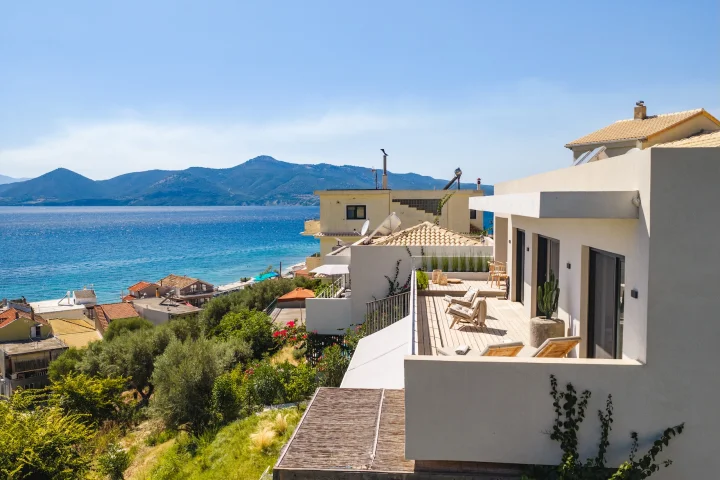
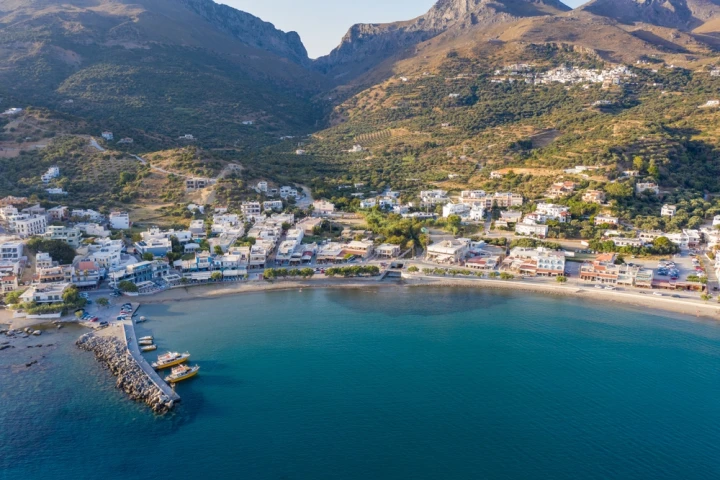
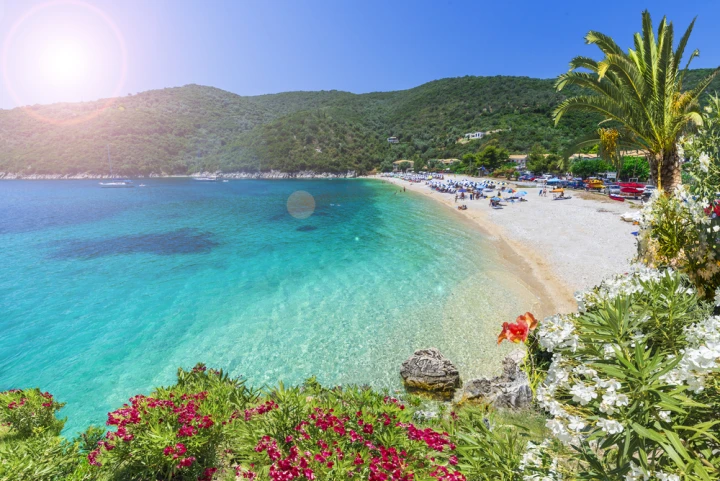
Coastal areas in Crete typically deliver the highest rental yields, ranging from 6% to 8% annually for well-positioned vacation properties. Prime beachfront locations in popular resort areas command premium rates during peak season, though they also require higher initial investments.
The Chania region offers diverse yield opportunities depending on proximity to the old town and beaches. Properties within walking distance of Chania’s harbour achieve strong yields through both short-term tourist rentals and longer-term accommodation for visitors. Rural properties near Chania provide lower yields but require less intensive management.
Heraklion properties benefit from year-round demand due to proximity to the airport and business activity. Rental yields here tend to be more stable throughout the year, typically ranging from 5% to 7%. Properties near archaeological sites and the city centre perform particularly well with international visitors.
Rural and inland properties generally produce lower rental yields, often between 3% and 5%, but offer advantages including lower purchase prices and reduced competition. These properties appeal to visitors seeking authentic experiences away from crowded coastal areas, though marketing requires more targeted approaches.
How do seasonal tourism patterns affect Crete property rental income?
Crete’s tourism season creates dramatic income variations, with July and August generating up to 300% higher daily rates compared to winter months. Peak season typically runs from June through September, when international flights increase and weather conditions are optimal for beach holidays.
Shoulder seasons in May and October offer opportunities for extended bookings at moderate rates. Many property owners achieve strong yields by targeting guests seeking quieter periods with pleasant weather and lower accommodation costs. These months often provide excellent occupancy rates with less intensive property management requirements.
Winter months present challenges for vacation rental income, though opportunities exist for longer-term rentals to locals or extended-stay visitors. Some property owners switch to monthly rentals during the low season, providing steady income while reducing marketing and cleaning costs.
Successful yield optimization involves strategic pricing that maximizes income during peak periods while maintaining reasonable occupancy during slower months. Properties offering unique features such as mountain views, traditional architecture, or special amenities can command premium rates even during the shoulder seasons.
What costs should investors factor into their Crete rental yield calculations?
Property management costs significantly impact net rental yields, particularly for international owners who cannot personally oversee their properties. Professional management services, cleaning between guests, and maintenance coordination are essential for vacation rental success but reduce overall returns.
Greek property taxes affect rental yields through multiple channels. The annual ENFIA property tax applies to all property owners, while rental income above certain thresholds faces progressive taxation. Transfer tax of 3.09% on property purchases increases the initial investment base used in yield calculations.
Utilities and insurance represent ongoing expenses that vary seasonally with occupancy patterns. Properties with swimming pools, air conditioning, or heating systems face higher utility costs during peak usage periods. Comprehensive insurance covering vacation rental activities provides essential protection but adds to operating expenses.
Legal compliance costs include licensing fees for short-term rentals and potential legal advice for contract management and tax obligations. Marketing expenses through online platforms, professional photography, and promotional materials are necessary for achieving optimal occupancy rates and rental income.
How does the Greek Golden Visa program impact rental yields in Crete?
Golden Visa investment requirements influence property prices and rental markets in Crete, particularly in areas popular with international investors seeking EU residency. The program requires minimum property investments, creating demand pressure that can increase purchase prices and potentially reduce gross rental yields.
Properties meeting Golden Visa criteria often command higher purchase prices due to investor demand, though they may also achieve premium rental rates due to superior locations and amenities. Investors must balance residency objectives with rental income goals when selecting properties.
The program attracts international buyers who may hold properties primarily for residency purposes rather than rental optimization, potentially reducing rental supply in certain market segments. This dynamic can benefit other property owners through increased demand and higher achievable rental rates.
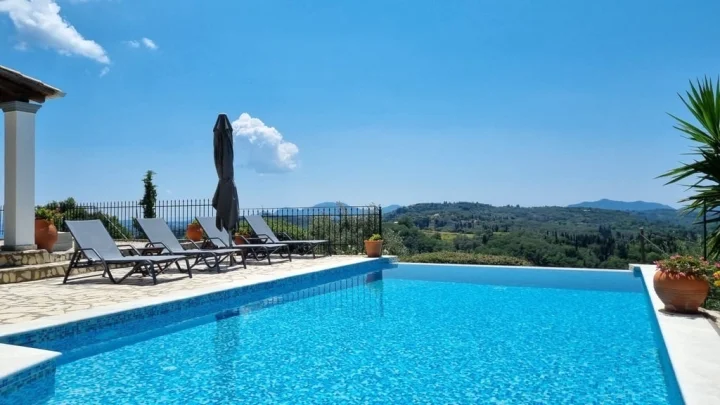
Golden Visa investors often purchase higher-value properties that appeal to the luxury vacation rental market, creating opportunities for premium pricing strategies. These properties typically require larger initial investments but may achieve superior net yields through elevated rental rates and longer booking periods.
What legal requirements affect rental property management in Crete?
Greek rental regulations require specific licensing for short-term vacation rentals, with property registration and compliance documentation affecting operational costs and management complexity. Properties must meet safety and accommodation standards to qualify for vacation rental licenses.
Tax obligations for rental income follow individual liability principles, meaning each co-owner in shared properties pays tax on their proportional rental income share. Starting in 2026, new tax brackets will introduce a 25% rate for rental income between €12,001 and €24,000, affecting yield calculations for successful properties.
Property documentation must be current and compliant for legal rental operations. Title deeds, building permits, and energy certificates are required for vacation rental licensing. Any compliance issues can halt rental operations and significantly impact projected yields.
Local municipality regulations may impose additional requirements such as noise restrictions, waste management protocols, or parking provisions that affect property management costs. Understanding these requirements before purchase helps ensure accurate yield projections and operational success.
Successful property investment in Crete requires a thorough understanding of yield calculations, seasonal patterns, and legal obligations. Professional property purchase assistance ensures compliance with Greek property laws while optimizing rental returns. For expert assistance with Crete property investment and legal requirements, we encourage you to contact our experienced team.
Disclaimer: This content is for informational purposes only and does not constitute legal or tax advice. For any issues relating to specific cases, it is highly recommended to consult a lawyer, an accountant, or a notary, depending on your needs.