What is the main religion in Crete?

Reading Time: 5 minutes

Table of Contents

The main religion in Crete is Greek Orthodox Christianity, practiced by approximately 95% of the island’s population. This ancient faith has shaped Cretan culture, traditions, and daily life for over 1,500 years, influencing everything from architecture to social customs. Understanding Crete’s religious heritage helps visitors and property buyers appreciate the island’s deep spiritual traditions and community values.

What is the main religion practiced in Crete today?

Greek Orthodox Christianity dominates Crete’s religious landscape, with the vast majority of Cretans identifying as Orthodox believers. The Greek Orthodox Church Crete operates under the jurisdiction of the Ecumenical Patriarchate of Constantinople, maintaining strong connections to the broader Orthodox world whilst preserving distinctly Cretan traditions.

The Orthodox faith arrived in Crete during the early Christian period and became firmly established by the 4th century AD. Despite centuries of Venetian Catholic rule (1204-1669) and Ottoman occupation (1669-1898), Cretans maintained their Orthodox identity as a cornerstone of cultural resistance. This historical persistence explains why Orthodox faith Crete remains so deeply embedded in island life today.

Modern Crete hosts numerous Orthodox parishes, monasteries, and religious institutions that serve both spiritual and cultural functions. The Church plays an active role in education, social services, and community organisation, making it far more than just a religious institution.

How does Orthodox Christianity influence daily life in Crete?

Religious practices Crete integrate seamlessly into everyday routines, from morning prayers to evening customs. Many Cretans begin their day with brief prayers and end it by making the sign of the cross before sleep, creating a rhythm of faith that punctuates daily activities.

Family life revolves around Orthodox traditions, with religious icons displayed prominently in homes and businesses. Sunday liturgy attendance remains common, particularly among older generations, though younger Cretans often participate in major religious celebrations even if they don’t attend weekly services. Name days (celebrating the saint after whom someone is named) often hold more significance than birthdays in traditional families.

Orthodox customs influence major life events including baptisms, weddings, and funerals, which follow centuries-old traditions. Even secular Cretans typically observe these religious ceremonies as cultural markers. The Church calendar also determines many business closures and community activities throughout the year.

For those considering property investment in Crete, understanding these religious rhythms helps integrate into local communities and appreciate the cultural context of island life.

What are the most important religious festivals celebrated in Crete?

Easter stands as the most significant celebration in Christianity in Crete, surpassing Christmas in importance and community participation. The Holy Week leading to Easter involves elaborate processions, church services, and family gatherings that bring entire communities together in celebration of the Resurrection.

The Assumption of the Virgin Mary (August 15th) ranks as another major celebration, with the Panagia (Virgin Mary) holding special reverence in Cretan Orthodoxy. Many villages hold festivals combining religious observance with traditional music, dancing, and feasting. Local patron saint days create unique celebrations in different regions, such as Saint Titus Day in Heraklion or Saint Minas festivities.

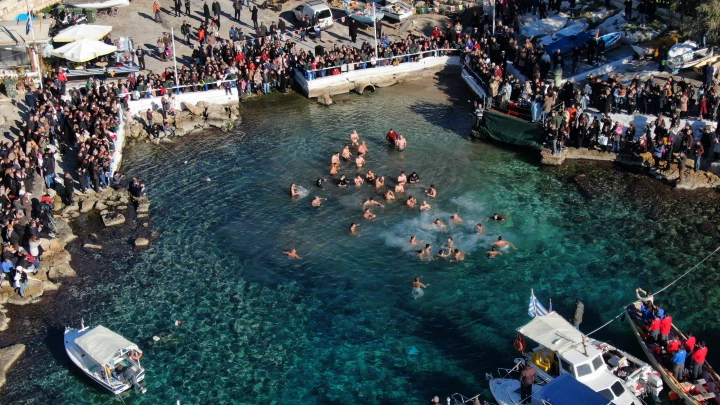
Christmas maintains importance but follows the Orthodox calendar and traditions, including the Epiphany blessing of waters on January 6th. These celebrations blend religious devotion with cultural preservation, maintaining customs passed down through generations. Visitors often find these festivals welcoming, as Cretans take pride in sharing their traditions with respectful guests.

Why do so many churches and monasteries exist throughout Crete?

Crete’s landscape features thousands of churches and monasteries, reflecting centuries of continuous Orthodox worship and the island’s strategic importance in Byzantine Christianity. Many Greek Orthodox Church Crete buildings date from the Byzantine period (961-1204 AD), when the island served as a crucial outpost of Orthodox civilisation.

During Venetian rule, Orthodox communities built smaller, often hidden churches to maintain their faith despite Catholic pressure. This period produced numerous small chapels scattered across rural areas, many containing remarkable frescoes and icons that preserve medieval Orthodox art. The relative isolation of mountain villages allowed these religious centres to flourish as guardians of Greek culture and language.

Monasteries like Arkadi, Toplou, and Preveli played crucial roles during the Ottoman period and later resistance movements, serving as centres of learning, cultural preservation, and sometimes armed resistance. These institutions maintained libraries, schools, and workshops that kept Orthodox traditions alive through difficult periods.

Modern restoration efforts, supported by both the Greek state and European Union funding, continue preserving these architectural treasures. Many monasteries remain active religious communities whilst welcoming visitors who appreciate their historical and spiritual significance.

How should visitors respectfully experience Cretan religious culture?

Respectful engagement with Greek religious culture requires understanding basic Orthodox customs and showing appropriate reverence in sacred spaces. Dress modestly when visiting churches or monasteries, with covered shoulders and long trousers or skirts. Many religious sites provide shawls or coverings for unprepared visitors.

Photography rules vary by location, with some churches prohibiting all photography whilst others allow it without flash. Always ask permission before photographing religious ceremonies or people at prayer. During services, maintain quiet behaviour and avoid walking around unnecessarily, as Orthodox liturgy involves significant standing and movement by worshippers.

Participating respectfully in religious festivals demonstrates cultural appreciation. Visitors can observe processions, enjoy traditional foods offered during celebrations, and appreciate the community atmosphere without necessarily participating in specifically religious elements. Learning basic Orthodox customs, such as making the sign of the cross when entering churches, shows respect even if you’re not Orthodox yourself.

Understanding religious calendar impacts helps visitors plan appropriately, as many businesses close during major Orthodox celebrations. This cultural awareness proves particularly valuable for property buyers integrating into local communities.

What makes Cretan Orthodox traditions unique from mainland Greece?

Cretan Orthodoxy exhibits distinctive characteristics shaped by the island’s unique historical experiences and cultural isolation. Religion in Crete Greece incorporates elements that reflect centuries of resistance to foreign rule, creating a particularly robust connection between faith and cultural identity.

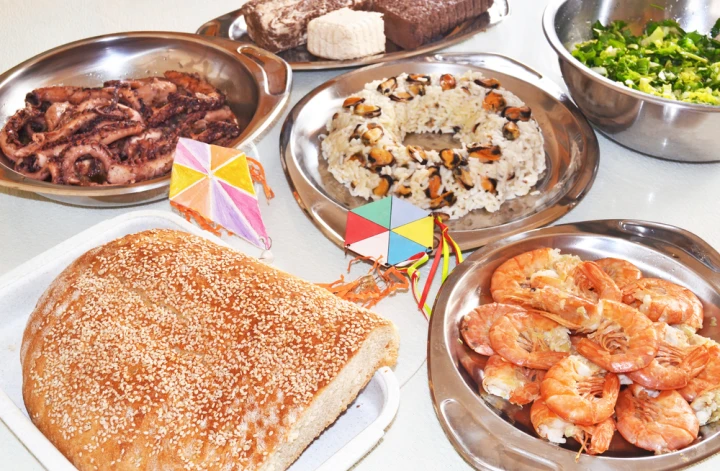
Musical traditions in Cretan Orthodox worship often incorporate local melodic elements alongside standard Byzantine chant, creating a distinctive sound found nowhere else in the Orthodox world. Certain feast day celebrations include uniquely Cretan customs, such as specific traditional dances or foods associated with religious observances.

The island’s monastic traditions show particular strength, with several monasteries maintaining stricter observances and more active roles in community life than their mainland counterparts. Cretan Orthodox communities often display stronger lay participation in church activities, reflecting the historical role of religious institutions in preserving local culture during foreign occupations.

Icon painting and religious art in Crete developed distinctive styles, particularly during the Venetian period when Cretan artists like El Greco emerged from this unique cultural synthesis. These artistic traditions continue influencing contemporary religious art and architecture across the island.

Understanding these distinctive aspects of Cretan religious culture enriches the experience of living on or visiting the island. Whether you’re exploring Crete as a visitor or considering property investment, appreciating the deep spiritual heritage that continues shaping daily life helps build meaningful connections with local communities. For personalised guidance on navigating Cretan culture and property opportunities, contact our experienced local professionals who understand both the cultural and practical aspects of island life.

Disclaimer: This content is for informational purposes only and does NOT constitute legal or tax advice. For any issues relating to specific cases, it is highly recommended to consult a lawyer, an accountant or a notary depending on your needs.

Looking for something in particular?
BlogHistory & Culture

Clean Monday in Greece: Customs and Traditions

In Greece, Clean Monday (Καθαρά Δευτέρα / Kathara Deftera) doesn’t feel like a quiet religious date on a calendar. It feels like a reset button ...
White Greek house model with blue shutters on marble surface surrounded by Euro banknotes and property documents in sunlight
BlogMarket Insights

Long-Term Rentals in Greece: Rules, Income, and Legal Requirements

Greece has long been a favourite destination — and increasingly, foreigners are choosing not only to spend holidays here, but to invest in property as ...
Webinar
BlogWebinars

Free Webinar: Greece as a Retirement Destination: What You Need to Know

Retiring in Greece is a dream shared by many. The sunshine helps, of course — but so does the slower pace of life, the everyday ...
Photo by Second Home Expo
Blog

Meet Elxis at the Second Home Expo in Antwerp

Could you see yourself with a place of your own in Greece, close to the coast and the Mediterranean lifestyle? If this idea seems appealing ...
Greece air travel
BlogIn The News

Greece Air Travel: A Turning Point & What 2026 Brings for Property Buyers

When people think about buying property in Greece, they usually focus on location, views, lifestyle, and price. One factor that often gets overlooked, until it ...
Santorini
Blog

Santorini is One of the Top 3 Most Romantic Places in the World

Santorini: A Timeless Romantic Destination for 2026 Santorini has long been synonymous with romance and in 2026, that reputation feels stronger than ever. Recently ranked ...
Your search results

Compare Listings

Featured in

Receive the latest news

Join over 20.000 subscribers and stay informed on the latest market insights, updates, tips and more

We’ll send you our best articles, expert insights and newest listings.​

Personalized Greek Real Estate Guidance

Tell us more and our team of real estate specialists will get in touch! 

This quick form takes less than a minute to complete. We only need minimal information to get started.

Step 1 of 3

Your inquiry will be reviewed within 24 hours on business days.