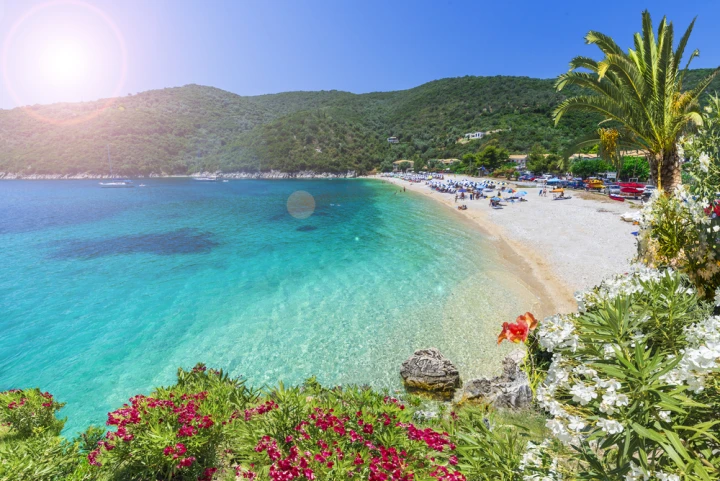

Greece has become one of the most appealing places in the world to spend retirement. The climate is mild, the cost of living is reasonable, the healthcare is good, and the tax treatment of foreign pensions is among the most generous in Europe. This guide walks through the practical side of retiring here: how to get residency, how the tax system works for pensioners, how to arrange healthcare, and where people choose to live.
Why Retire in Greece?
The appeal is partly lifestyle and partly practical. Greece has a Mediterranean climate, with long warm summers and mild winters, which suits an outdoor life year-round. It is also now formally recognised. Greece topped International Living's 2026 Annual Global Retirement Index, released in December 2025, rising from seventh place the year before. The index scores countries on cost of living, healthcare, housing, visas, climate, and ease of settling in. Accessibility is worth thinking about before you choose an area. Athens and Thessaloniki have direct connections to most European cities. Islands such as Crete and Corfu, or parts of the Peloponnese, may need a car or a ferry once you land. If you plan to visit family often, pick somewhere with easy links home.
Cost of Living
Everyday costs in Greece are noticeably lower than in much of Western Europe and North America. Housing is usually the largest expense, and it varies a lot by area, with the major cities and popular tourist spots costing more than quieter regions. Islands can carry higher prices because goods have to be shipped in. For a fuller breakdown, see our guide to living costs in Greece.
Visas and Residence Permits
What you need depends on your nationality.
EU citizens
Citizens of the EU, Iceland, Norway, Liechtenstein, and Switzerland do not need a visa to live in Greece. You enter with your passport or ID card. If you settle here long-term, you will need a Greek tax number. If you live in Greece for more than 183 days a year, you are considered a Greek tax resident.
Non-EU citizens
Non-EU retirees need a national entry visa, the "D" visa, from the Greek consulate in your country. You will usually be asked for a passport valid for at least three months beyond the visa, a biometric photo, the application form in English or Greek, a medical certificate, proof of medical insurance valid in Greece, and a clean criminal record certificate. Requirements vary by consulate, and some ask for an interview. A common route for retirees is the Financially Independent Person (FIP) visa, sometimes called the retirement visa, for those who can show sufficient passive income. Another is the Golden Visa, for those investing in property. The Golden Visa grants residency, visa-free travel in the Schengen Area (90 days in any 180-day period), and family inclusion. The required investment depends on the area, with a higher threshold in high-demand locations and a reduced level for certain restoration and conversion projects. These figures are set in law and can change, so see our Golden Visa guide for the current amounts.
British citizens
Since Brexit, British citizens are treated as non-EU and must meet the same entry and residency requirements, including financial proof of support. The consulate will collect biometric data and may interview you.
US citizens
US citizens can visit Greece for up to 90 days in any 180-day period without a visa. Your passport should be valid for at least three months beyond your planned departure. To stay longer, you will need a visa and a residence permit.
Get a Greek Tax Number
A Greek tax number, the AFM, is needed for most legal and administrative steps in Greece. You will need one to buy or rent property, to apply for a residence permit, to file taxes, and to open a bank account. It is unique to you and you keep it for life. It is common to use an accountant or lawyer to apply. If you give an Elxis lawyer a power of attorney, they can arrange your AFM by representing you at the tax office, through our network of accountants. The number is issued free by the Greek tax authority. Our fee covers the legal work. You provide the documents, and we keep you updated until it is done.

Tax Benefits for Pensioners
Since 2020, Greece has offered a flat tax to foreign pensioners who move their tax residence here. If your application is approved, all your foreign-source income, including pensions, rent, dividends, and capital gains, is taxed at a flat rate of 7% for 15 years. To qualify, you transfer your tax residence to Greece and spend more than 183 days a year in the country. Greece has double taxation treaties with more than 60 countries, including the United States and the United Kingdom. These are designed to prevent you being taxed twice on the same income. Because every situation is different, it is worth confirming the details with a tax professional before you apply.
Healthcare and Insurance
Greece's public healthcare system, ESY, is available to legal residents, including foreign retirees. It is funded through taxes and social insurance, and you access it once registered for social security, through an AMKA number. Care is generally good, and Greece has a high number of doctors per head, though resources are greater in the cities than in rural or island areas. Many retirees add private insurance for shorter waiting times and wider choice. Private cover is also required for some permits, including the retirement visa and the Golden Visa. Private healthcare is reasonably priced, the facilities are modern, and many doctors speak English. For emergencies, the EKAV ambulance number is 166. On a remote island without a major hospital, EKAV can arrange a transfer by helicopter or boat to a city for treatment.
Best Places to Live
Greece suits a range of preferences. Crete, Corfu, and Rhodes are popular island choices, with mild weather and established expat communities. Athens and Thessaloniki suit those who want city amenities, good hospitals, and the best transport links home. For a quieter and more affordable life, the Peloponnese and northern Greece offer traditional towns, mountain and coastal scenery, and a slower pace. Renting before you buy is sensible. It lets you learn an area's character and how it changes between seasons before committing.
Expat Communities
A good social network makes a real difference in retirement. Greece has established communities of foreign retirees in Athens, on Crete and Corfu, and in many smaller towns, and they tend to be welcoming to newcomers. Many organise regular meetups and practical sessions on things like tax, healthcare, and housing. Learning even basic Greek goes a long way with locals and with everyday bureaucracy.
Conclusion
Retiring in Greece combines a reasonable cost of living, good healthcare, a favourable tax regime for pensioners, and a climate and lifestyle that are hard to match. The practical steps, the right residence permit, an AFM, healthcare cover, and settling into a community, are all manageable with some planning. We have been guiding international buyers to find their ideal home in Greece since 1991, and we are happy to help you plan your move and find the right property.
Disclaimer: This article is for general information only. Tax, visa, and healthcare rules change over time and individual circumstances vary. Confirm the current requirements with a qualified professional before making any decisions.