Authenticity as a Long-Term Advantage
Local tourism leaders emphasize that international exposure remains a priority, but not at the expense of the island’s character. Traditional villages, local products, outdoor activities, and cultural customs continue to define Naxos’ identity. This commitment to authenticity places the island firmly within global travel trends that favour quality over quantity and depth over speed. As travellers become more selective, destinations like Naxos naturally rise to the top.
The Landscapes and Beaches That Define Naxos
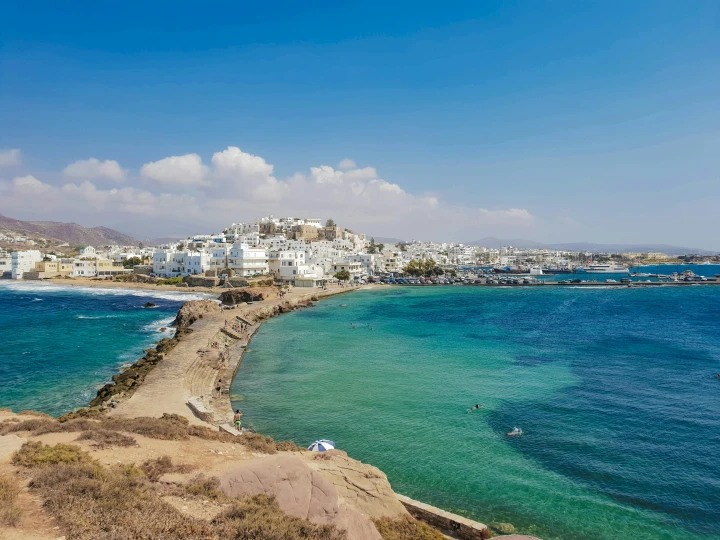
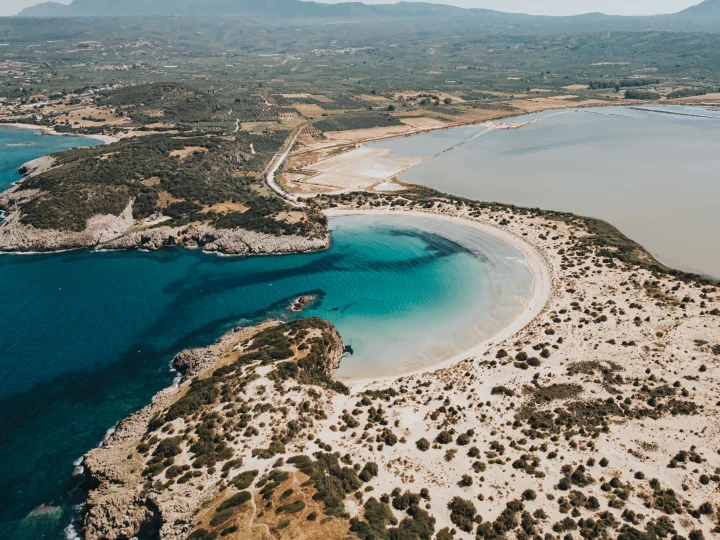
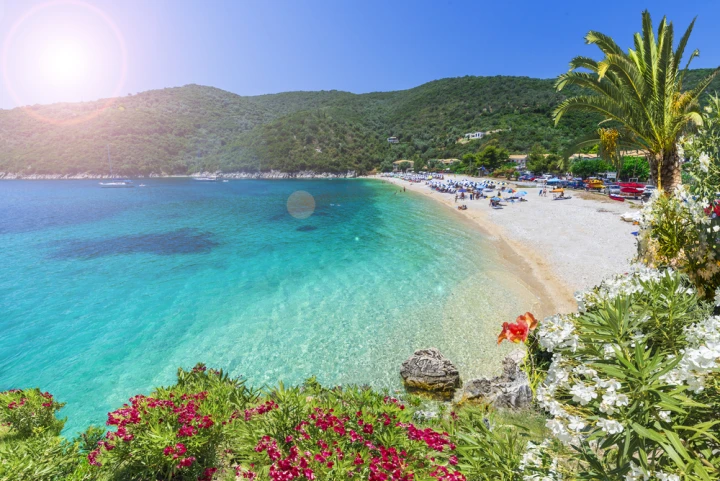
One of the key reasons Naxos stands out on a global level is the sheer variety of its landscapes. Unlike many islands that are known for a single dominant image, Naxos offers a rare blend of long sandy beaches, dramatic mountains, fertile valleys, and traditional villages, all within a short distance of each other. The island is famous for its golden beaches, many of which stretch for kilometers and remain uncrowded even during peak season. Beaches such as Agia Anna, AgiaProkopios, Plaka, and Mikri Vigla combine soft sand with shallow, crystal-clear waters, making them ideal for families, swimmers, and water sports enthusiasts alike.
On the west coast, steady winds attract kite- and windsurfers, while calmer bays cater to relaxed, all-day beach living. Beyond the coastline, Naxos reveals a completely different side. The island’s interior is lush and green, dominated by Mount Zas, the highest peak in the Cyclades. Stone-built villages like Halki, Apeiranthos, and Filoti offer panoramic views, narrow marble-paved streets, and a strong sense of local life that has remained unchanged for generations. The most iconic landmark is the Portara, the massive marble gate of an unfinished ancient temple dedicated to Apollo.
Standing on the small islet of Palatia at the entrance of Naxos port, the Portara is one of the most photographed monuments in the Cyclades, especially at sunset, when it frames the sky and sea in dramatic light. Naxos is also rich in Byzantine heritage, with dozens of small churches and monasteries scattered throughout the countryside. Among the most significant is Panagia Drosiani, one of the oldest Christian monuments in Greece, known for its early frescoes and serene setting.
Sustainable Tourism Gains Momentum in the Cyclades
Another development shaping the future of tourism in the Cyclades is the growing focus on sustainable, experience-based travel. In early 2026, a new initiative was approved to create and upgrade a certified hiking trail network across Naxos, Donousa, Iraklia, Ano Koufonisi, and Schinoussa, with funding from the EU Recovery and Resilience Facility. The project aims to connect existing paths into a coherent, well-marked network that highlights the islands’ natural landscapes, cultural heritage, and local communities.
Planned interventions include trail maintenance, improved signage, safety upgrades, and the reopening of routes that have fallen out of use, making the islands more accessible to hikers and nature-focused travellers. Beyond enhancing the visitor experience, the hiking network is expected to extend the tourist season and attract special-interest visitors outside the peak summer months.
A Spot to Consider for Long-Term Thinkers
As Naxos gains global recognition and continues to attract high-quality tourism, interest in the island naturally extends beyond travel. For those considering a deeper connection, whether through extended stays or plans, the island’s strong momentum, lifestyle appeal, and international visibility make it a destination worth watching closely in the years ahead.