Why the New York Times Chose Messinia
Curated by The New York Times travel editors, the annual list highlights destinations that stand out for their cultural, historical, and environmental significance. Messinia earned its place thanks to its balanced identity: rich in heritage, yet refreshingly free from mass tourism.
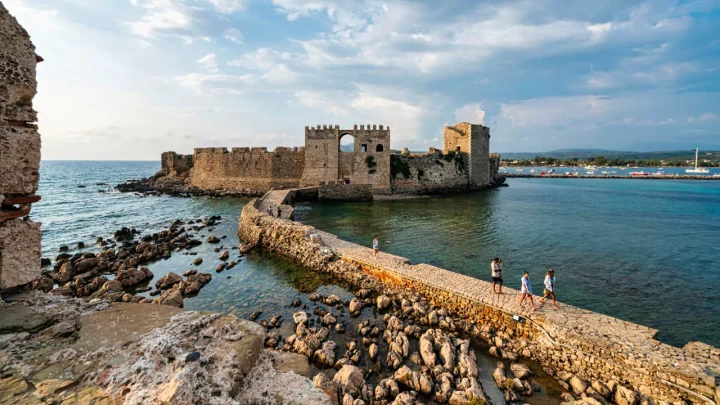
The region has been continuously inhabited since prehistoric times and reflects multiple layers of Greek history, from Mycenaean civilization and classical antiquity to Byzantine, Venetian, and Ottoman influences. This diversity is visible in its castles, ancient sites, and traditional settlements that remain an active part of daily life.
Everyday Life Rooted in Nature and Tradition
Messinia is internationally recognized for producing exceptional olive oil, while its local cuisine is deeply connected to the land and seasonal ingredients.
Daily life in Messinia is defined by:
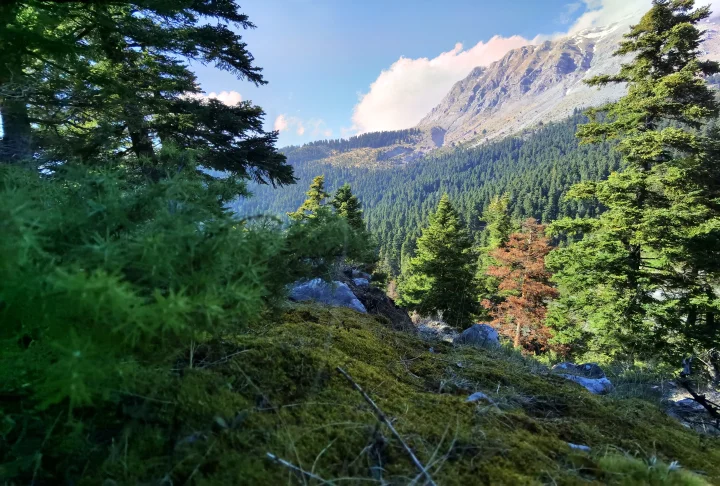
- Scenic coastal and mountain hiking routes
- Villages largely untouched by mass tourism
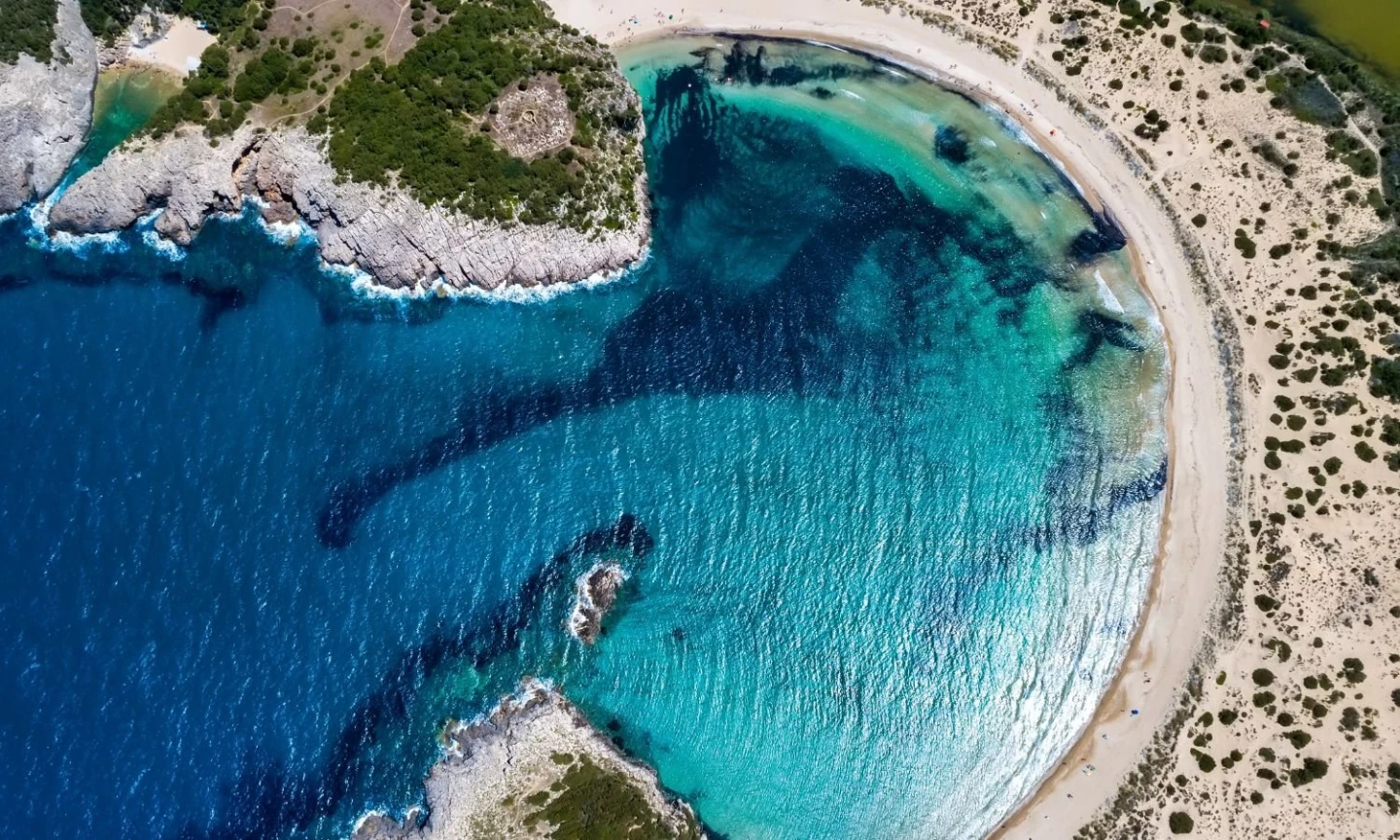
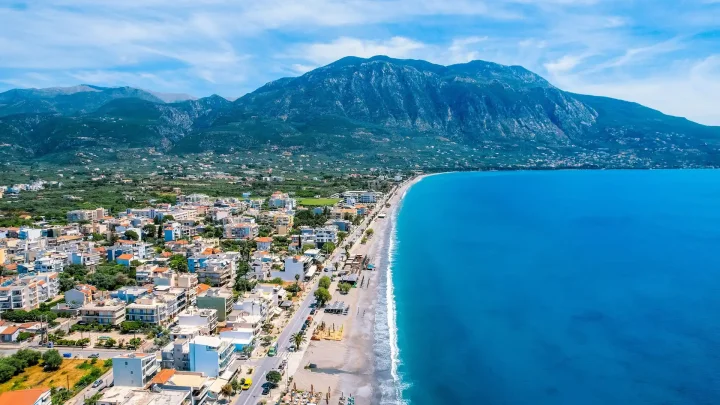
- Clear Ionian waters and expansive beaches
- A relaxed pace of life shaped by nature and tradition
These qualities make Messinia particularly attractive to those looking for longer stays, second homes, or a slower Mediterranean lifestyle.
A Region with Space and Balance
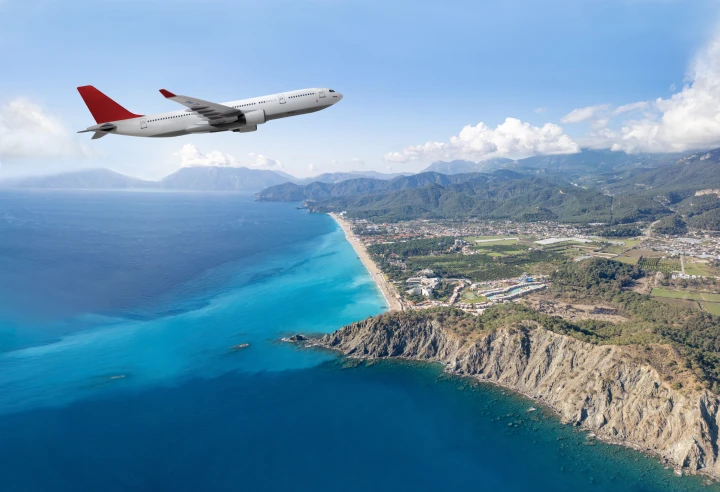
Compared to more crowded Greek islands, Messinia, Greece offers space, accessibility, and diversity. The region includes seaside towns, mountain villages, fertile plains, and vibrant urban centers such as Kalamata, all connected by modern infrastructure and an international airport.
Areas such as Kardamyli, Pylos, and Methoni combine cultural heritage with natural beauty, while the wider region continues to develop thoughtfully, maintaining its character and environmental balance.