Size and Character
Zakynthos is the more compact and developed of the two, at around 410 square kilometres with a population of roughly 40,000. Its gentler terrain and long-established tourism make it easy to get around, and well set up for visitors, with lively resort areas like Laganas. Kefalonia is the largest of the Ionian islands, about 780 square kilometres, yet home to a similar number of people, so it feels more spacious. It's properly mountainous: Mount Ainos, the highest peak in the Ionians at 1,628 metres, dominates the island and shapes its dramatic, green landscape. The mood is more traditional, built around villages and family-run tavernas.
Beaches
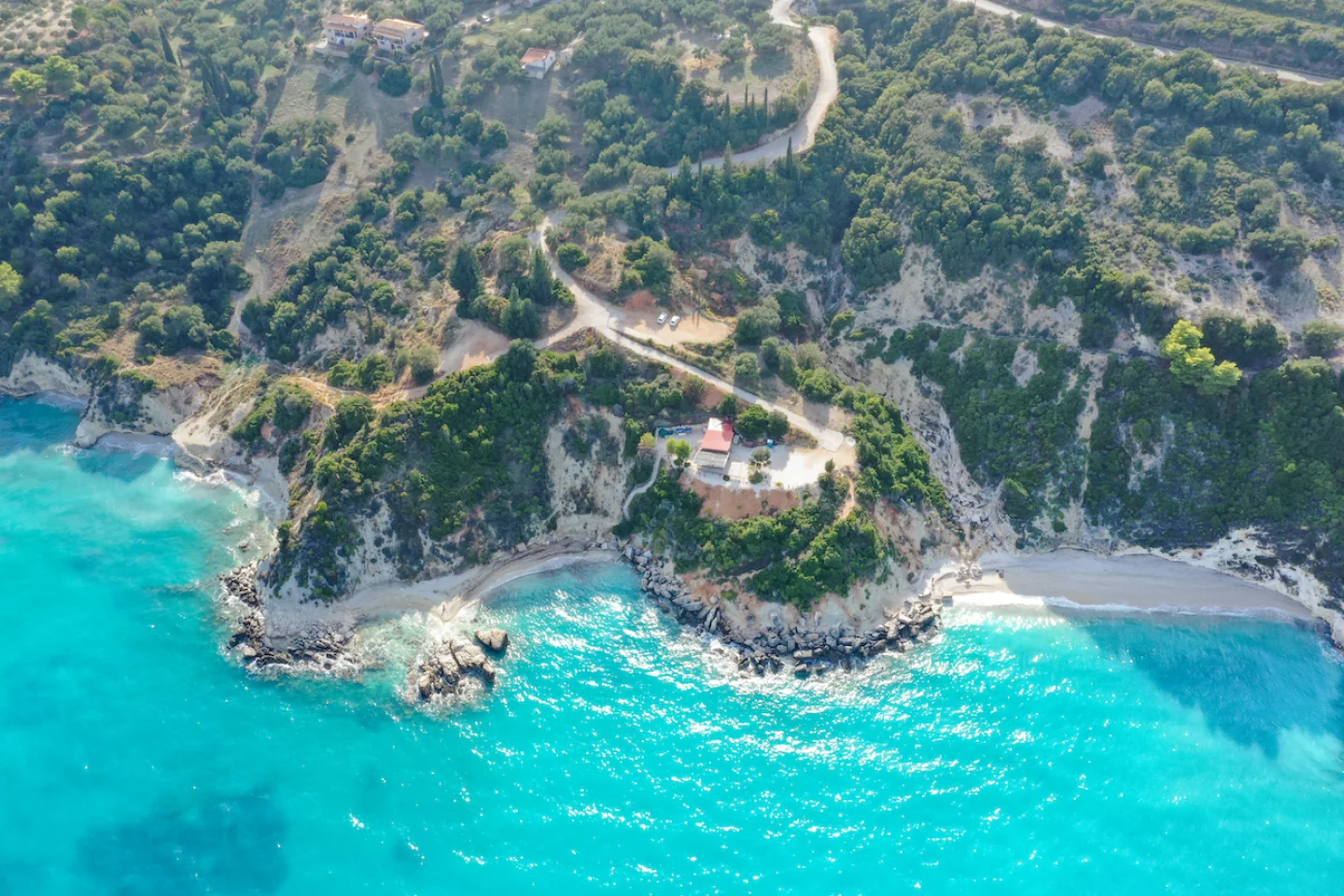
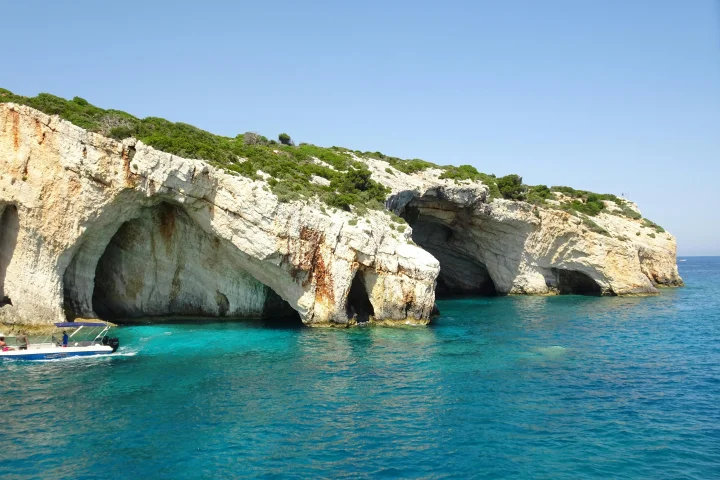
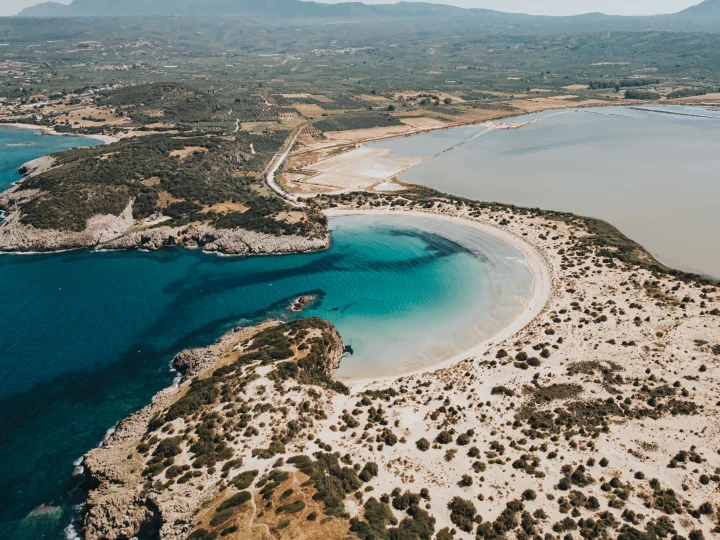
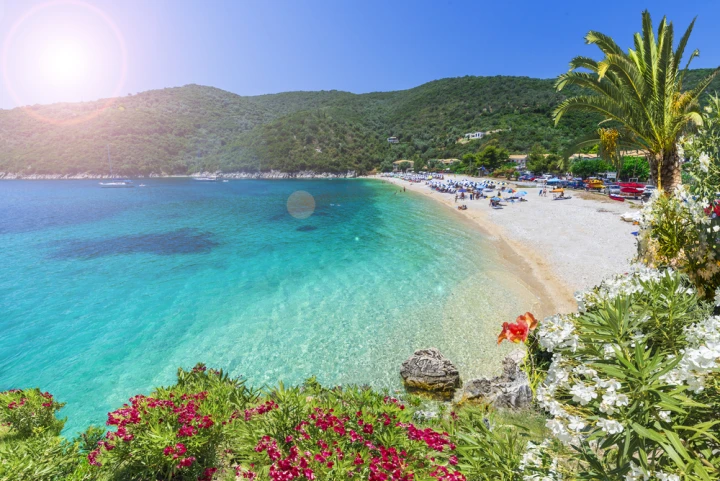
Both islands are famous for their coastlines, in different ways. Zakynthos has the headline act in Navagio, the Shipwreck Beach, with its white cliffs, and easygoing sandy spots like Gerakas and Porto Limnionas with good facilities. The beaches tend to be accessible and family-friendly. Kefalonia's coast is more dramatic. Myrtos, with its white pebbles and deep blue water framed by cliffs, is regularly ranked among Europe's finest, and spots like Antisamos and Petani reward the effort to reach them with quieter, striking settings. For sheer variety and that wilder beauty, Kefalonia has the edge.
Lifestyle and Amenities
Zakynthos leans towards convenience and a busier scene. It has well-developed tourist amenities, healthcare and shopping in Zakynthos Town, and plenty of nightlife in Laganas and Tsilivi through the summer. Kefalonia offers a more traditional, slower rhythm, with life centred on Argostoli and Lixouri. There's a general hospital, with the more specialist needs sometimes meaning a trip to the mainland, and the focus is on local food, wine, walking, and village life rather than international bustle.