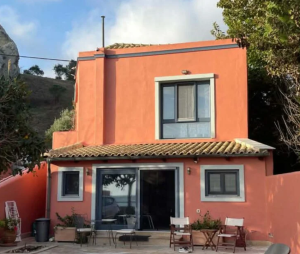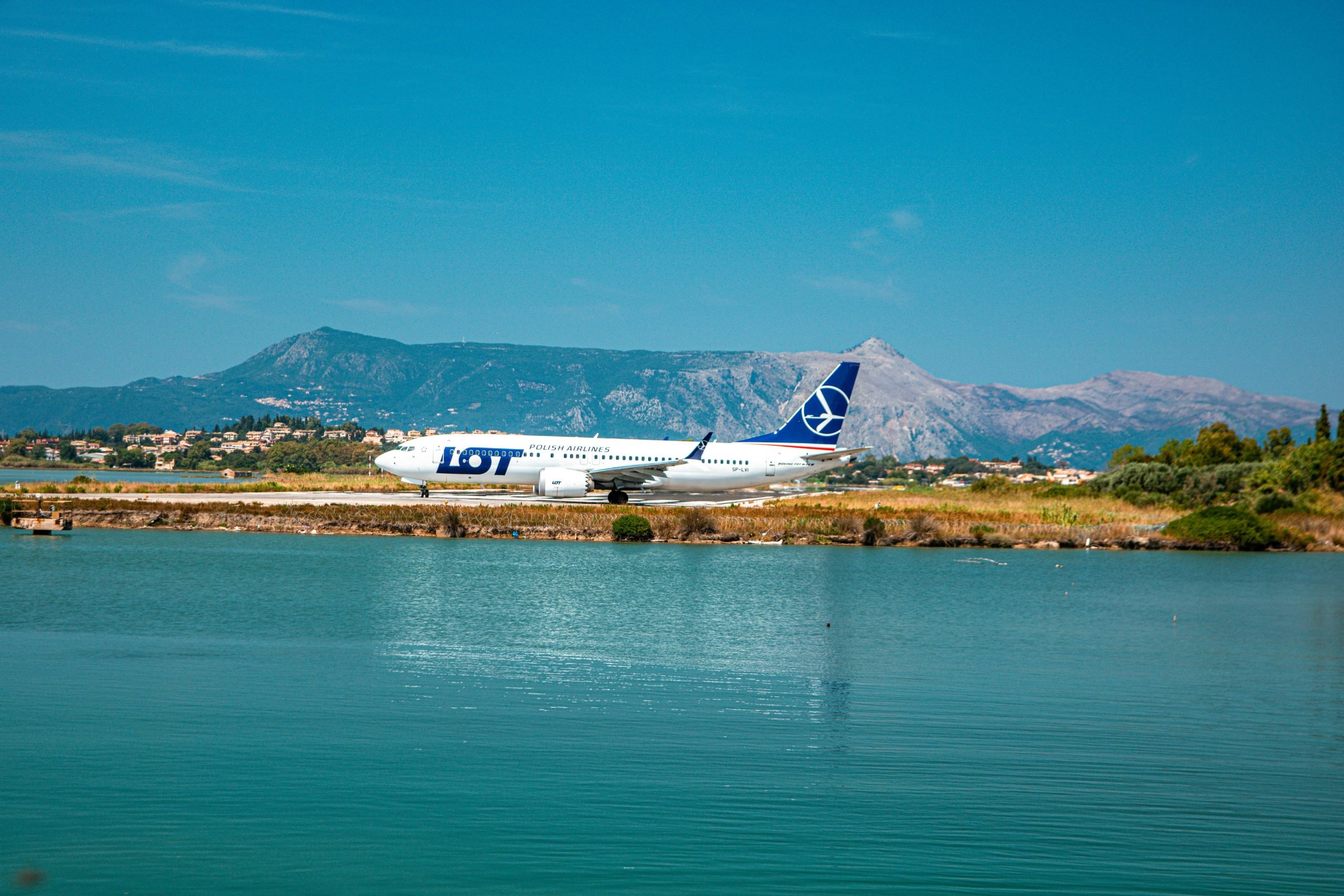
Property costs in the Peloponnese vary significantly based on location, property type, and proximity to the coastline or historical sites. Coastal properties in sought-after destinations like Nafplio and the Mani Peninsula command premium prices, while inland villages and mountain towns offer excellent value for money. The region provides an attractive alternative to expensive Greek islands while maintaining authentic character and strong investment potential for international buyers seeking Greek real estate.
What makes the Peloponnese property market unique compared to other Greek regions?
The Peloponnese offers exceptional value for money combined with rich historical significance and diverse landscapes that distinguish it from other Greek property markets. Unlike the crowded tourist islands, this region provides authentic Greek living with UNESCO World Heritage sites, pristine coastlines, and mountain villages all within driving distance of Athens.
The region’s accessibility via the Rio-Antirrio Bridge and proximity to Athens International Airport make it particularly attractive for international buyers. Ancient sites like Olympia, Mystras, and Epidaurus create cultural appeal that supports long-term property values. The landscape diversity ranges from the dramatic Mani Peninsula coastline to fertile valleys and traditional mountain settlements, offering property options for every preference and budget.
Market dynamics favour buyers compared to islands like Santorini or Mykonos, where limited land availability drives prices upward. The Peloponnese provides room for growth while maintaining the Mediterranean lifestyle that attracts international property investors. This combination of affordability, authenticity, and appreciation potential makes the region particularly compelling for those seeking Greek property investment opportunities.
How much do coastal properties cost in popular Peloponnese areas?
Coastal properties in prime Peloponnese locations reflect premium positioning within the regional market, with beachfront villas and sea-view apartments commanding the highest prices. Popular destinations like Nafplio, Monemvasia, Kardamyli, and the Mani Peninsula each have distinct pricing characteristics based on their unique appeal and development levels.
Nafplio, as the region’s most developed coastal town, typically sees the highest coastal property prices due to its historical significance, established infrastructure, and year-round appeal. Properties with direct sea access or panoramic harbour views carry substantial premiums over similar properties located further inland.
The Mani Peninsula offers dramatic coastal properties with traditional stone architecture, where renovation potential and stunning sea vistas influence pricing significantly. Kardamyli attracts buyers seeking an authentic village atmosphere combined with coastal access, creating steady demand for both traditional houses and modern developments.
Seasonal variations affect coastal property markets, with spring and summer months typically seeing increased activity from international buyers. Properties requiring renovation often present opportunities for significant value creation, particularly those with established sea access or protected views that cannot be obstructed by future development.
What are typical property prices in inland Peloponnese towns and villages?
Inland Peloponnese properties offer exceptional value compared to coastal alternatives, with traditional stone houses, agricultural land, and mountain villages providing authentic Greek living at accessible price points. Historic towns like Olympia and traditional settlements throughout the region present diverse opportunities for different budgets and lifestyle preferences.
Mountain villages often feature traditional architecture requiring restoration, where buyers can acquire substantial stone houses with land at prices significantly below coastal equivalents. These properties appeal to those seeking renovation projects with potential for creating unique homes while preserving local architectural heritage.
Agricultural areas provide opportunities for larger land plots suitable for olive groves, vineyards, or sustainable farming projects. The region’s fertile valleys and established agricultural traditions support property values while offering lifestyle opportunities unavailable in coastal locations.
Properties near historical sites like Ancient Olympia benefit from cultural tourism while maintaining rural character. These locations often provide the best balance between accessibility, cultural significance, and value for money within the broader Peloponnese property market.
What factors most significantly impact property prices across the Peloponnese?
Location and proximity to beaches, historical sites, and major towns create the most significant price variations across Peloponnese real estate. Properties within walking distance of the coastline or UNESCO World Heritage sites command substantial premiums, while those requiring vehicle access to amenities offer better value for money.
Property condition and age significantly influence pricing, with restored traditional houses commanding premium prices over those requiring renovation. Stone houses with original architectural features that have been sensitively updated appeal strongly to international buyers seeking authentic Greek character with modern comfort.
Land size and building potential affect property values considerably, particularly in areas where planning permission allows expansion or development. Properties with established olive groves or agricultural land often carry additional value beyond the residential component.
Infrastructure development, including road quality, utility connections, and internet availability, increasingly influences buyer decisions and property pricing. The region’s improving connectivity to Athens and international airports supports property values across all market segments.
UNESCO World Heritage site designation creates protected environments that support property values while limiting development potential. Areas near Ancient Olympia, Mystras, or other protected sites benefit from cultural significance and tourism while maintaining authentic character that appeals to discerning buyers.
How do Peloponnese property prices compare to other Greek regions?
Peloponnese property prices offer compelling value compared to Athens, popular islands, and other mainland regions, while providing an authentic Greek lifestyle and strong investment potential. The region typically costs significantly less than Santorini, Mykonos, or central Athens while offering superior value for money and appreciation prospects.
Compared to Thessaloniki and northern Greece, the Peloponnese provides a better climate, coastal access, and international appeal at competitive pricing. The region’s historical significance and cultural attractions support property values while avoiding the premium pricing associated with limited island land availability.
Crete offers the closest comparison in terms of diversity and appeal, but the Peloponnese generally provides better accessibility to Athens and competitive pricing for similar property types. The mainland location eliminates ferry dependency while maintaining authentic Greek island character.
The balance between affordability and desirability positions Peloponnese real estate favourably for long-term appreciation. International buyers can acquire substantial properties with land at prices that would secure only apartments in prime island locations, creating opportunities for both lifestyle enhancement and investment returns.
What should international buyers budget beyond the property purchase price?
International buyers should budget approximately 8–14% additional costs beyond the property purchase price for legal fees, taxes, and professional services required for Greek real estate transactions. These additional expenses vary based on property value, complexity, and buyer requirements but remain essential for legally secure ownership.
The transfer tax of 3.09% represents the largest single additional cost, calculated on the higher of the purchase price or government-determined objective value. Legal fees, notary expenses, and property registration costs typically add another 2–3% to the total transaction cost.
Properties requiring renovation need substantial additional budgets, particularly traditional stone houses where authentic restoration using local materials and craftsmen ensures quality results while preserving architectural integrity. Currency exchange considerations affect international buyers, making professional foreign exchange services valuable for managing transaction timing and costs.
Golden Visa applicants must consider the minimum investment thresholds and ongoing requirements, while all international buyers benefit from professional property purchase assistance to navigate Greek property law effectively. For buyers seeking comprehensive support throughout the property acquisition process, professional guidance ensures legally secure transactions while managing costs effectively. Those considering Peloponnese property investment should contact experienced professionals to understand the complete cost structure and legal requirements for their specific situation.
Disclaimer: This content is for informational purposes only and does NOT constitute legal or tax advice. For any issues relating to specific cases, it is highly recommended to consult a lawyer, an accountant, or a notary, depending on your needs.