If you still think of Greece as a strictly summer fling — sunburn, sandals, and Santorini sunsets — it might be time to update your mental itinerary. According to a recent story by journalist Ilias Bellos in Kathimerini, the country is steadily, and rather cleverly, reshaping itself into a year-round destination.
Let’s start with the data. According to Visa, foreign visitors in Greece increased their card usage by 12% in 2025, while the number of tourists using Visa cards rose by 13%. These figures point to steady growth in both arrivals and spending, as well as a broader shift toward digital payments. Beyond convenience, this trend offers a clearer picture of how visitors engage with the Greek tourism economy throughout the year.
A notable shift is also taking place beyond the peak summer months. Growth is no longer concentrated in July and August, as spending during the off-season continues to rise. February 2025, in particular, recorded the highest percentage increase, highlighting a gradual reduction in seasonality. This trend suggests that Greece is steadily expanding its appeal as a year-round destination, rather than relying primarily on summer tourism.

Athens at the Center of Year-Round Tourism
While the islands still steal the summer spotlight, Athens — along with the broader Attica region — is quietly dominating the rest of the year. It accounted for a hefty 25% of total tourism spending via Visa in 2025, making it the financial heart of Greek tourism. This makes perfect sense, as Athens has something the islands can’t fully replicate: a 12-month cultural engine. Museums, gastronomy, nightlife, history layered upon history. It’s a city that doesn’t “close” when the sun sets earlier. That said, once summer arrives, the crown passes, as tradition demands, to the South Aegean islands. No surprises there.
Growth in Emerging Destinations
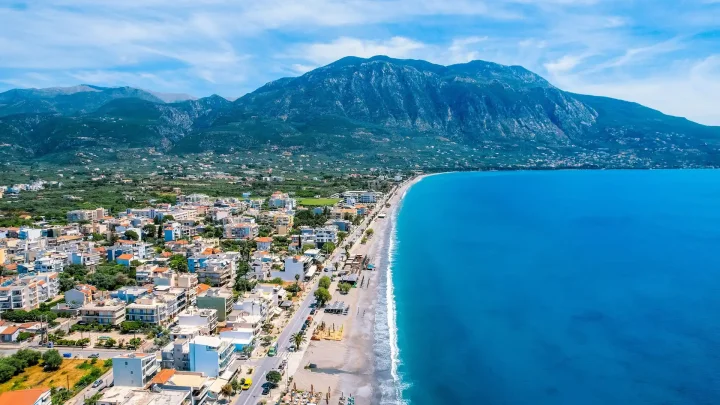
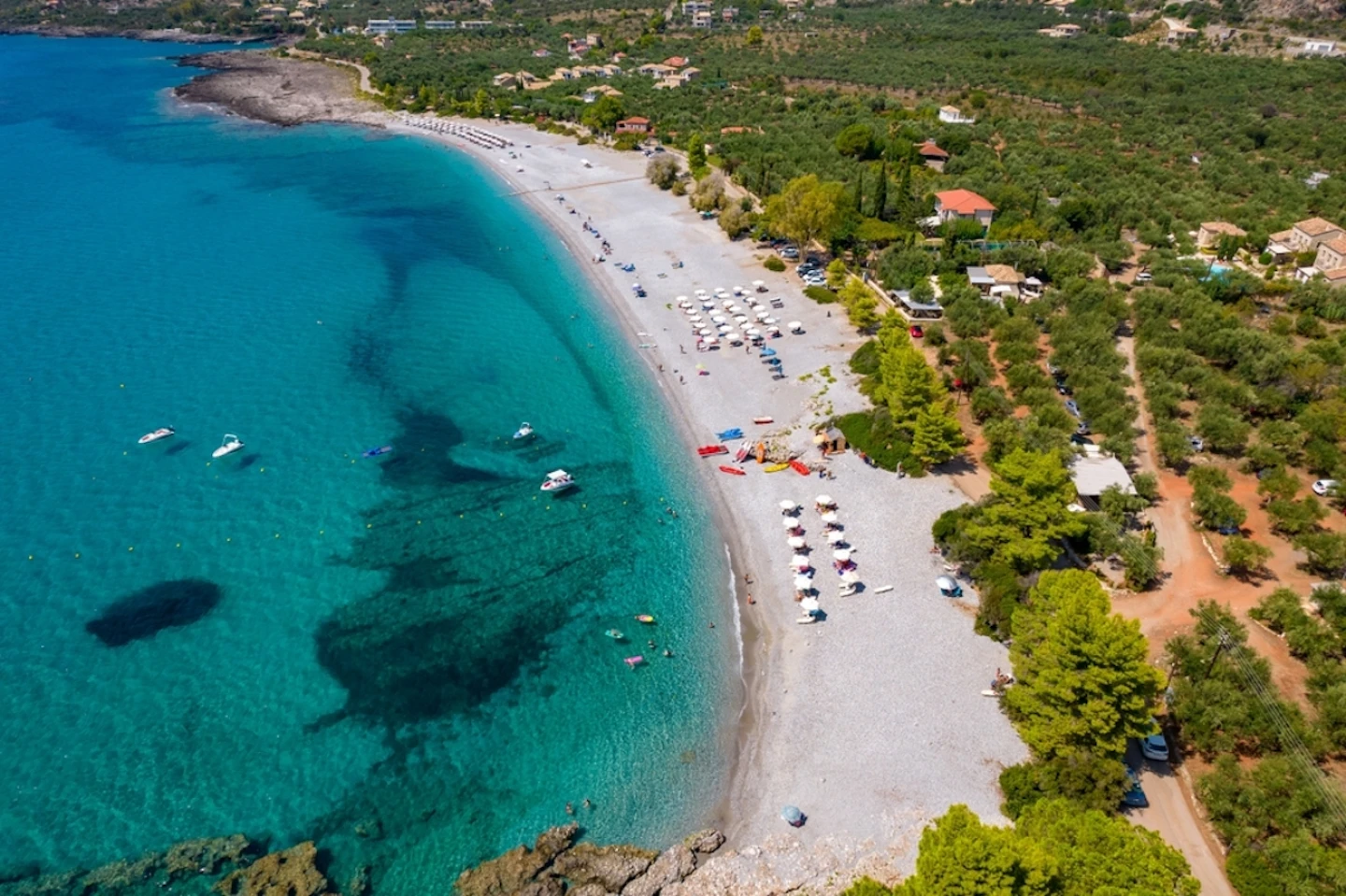
Beyond the most established locations, the data shows increasing momentum in other regions. The Peloponnese recorded the highest annual growth in both tourist spending and visitor numbers, exceeding the national average. At the same time, regions such as Central Macedonia, the Ionian Islands, and Crete continue to maintain strong positions. This points to a more balanced geographical distribution of tourism activity, with demand extending beyond traditional high-traffic destinations. Established destinations including Mykonos, Santorini, Rhodes, and Corfu also continue to perform strongly, confirming their sustained appeal.
Who’s Visiting?
The United Kingdom remains the largest source market, with a 13% increase in card spending. It is followed by the United States, Germany, and France. The highest growth rate, however, was recorded by Turkey, with spending rising by 31% compared to 2024. Increases were also observed from Romania and Bulgaria, highlighting the growing role of regional and road-based tourism.
There is also a noticeable increase in long-stay visitors, those who remain in the country for at least three consecutive months. Their spending rose by 10%, indicating a gradual shift toward longer visits, including remote workers and seasonal residents. Overall, the data suggests that visitors are extending their stays and contributing more consistently to the tourism economy.
Tourism Spending by Category
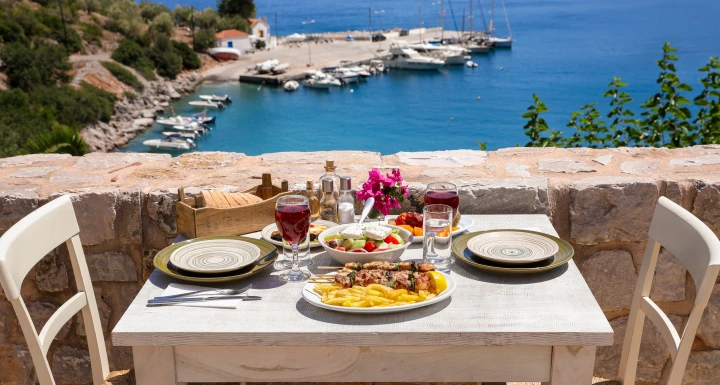
Data on spending patterns shows that dining accounts for the largest share, with a 15% increase in transactions. This highlights the continued importance of gastronomy in the overall tourism experience. Retail ranks second, followed by accommodation. The highest growth rate, however, was recorded in the entertainment category, indicating increased interest in activities and cultural experiences during visitors’ stay. In general, the distribution of spending suggests a broader engagement with services beyond accommodation, with visitors allocating more of their budget to experiences.
The Bigger Picture
These developments are supported by a strategic collaboration between the Greek Ministry of Tourism and Visa, which focuses on using data to understand visitor behavior better and inform tourism policy. The objective is not only to increase revenue, but also to support a more sustainable and balanced model of tourism development. The data indicates a gradual shift toward reducing seasonality and strengthening the sector’s resilience. To sum up, Greece appears to be moving toward a more consistent, year-round tourism model, supported by data-driven planning and broader geographic distribution of demand.