What Kind of Protection Will the Parks Offer?
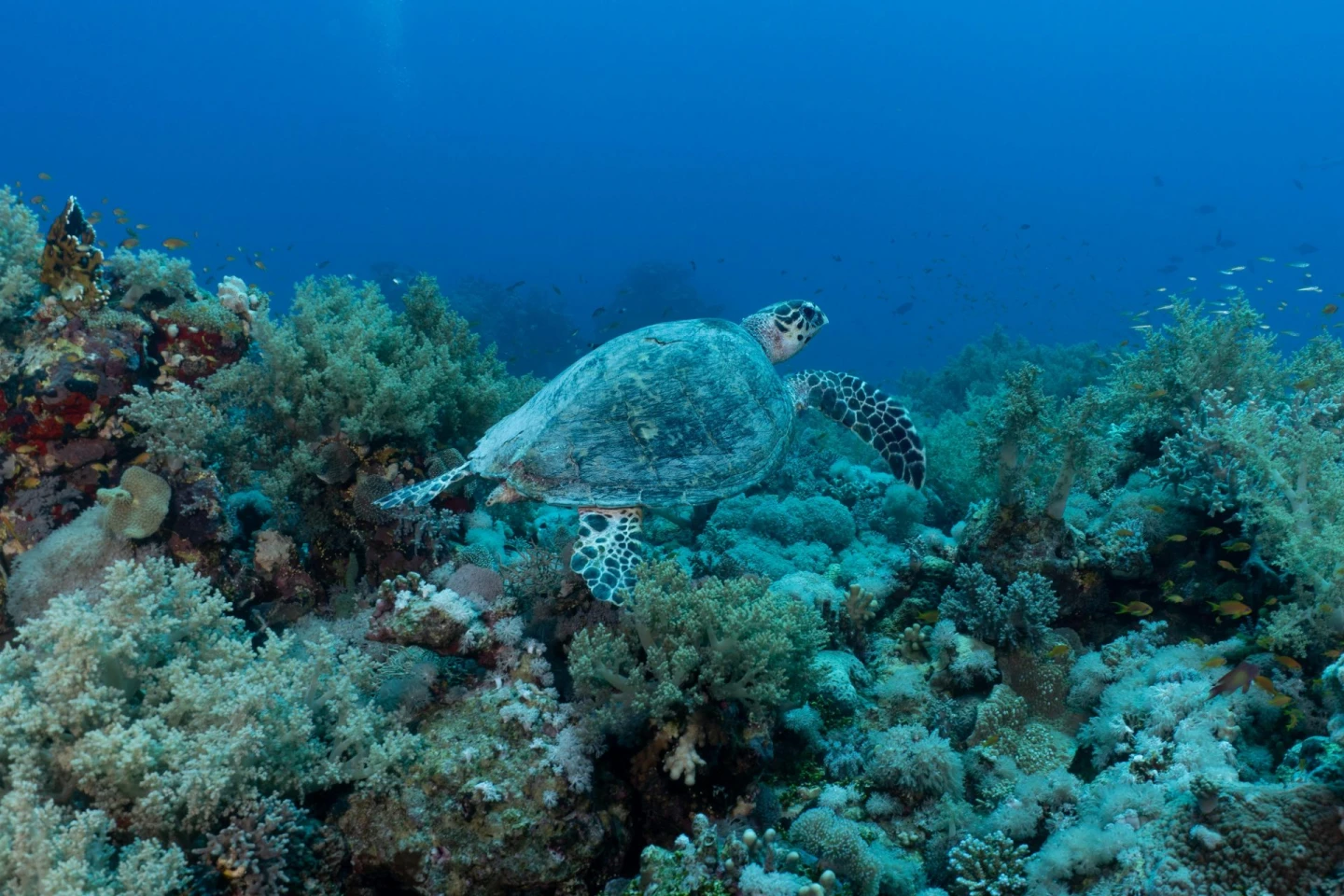
One of the main features of these new marine parks is a ban on bottom trawling. This is a fishing method that drags heavy nets across the seabed, which can destroy important underwater habitats. Mitsotakis called this practice “extremely destructive” and said stopping it is key to saving the ocean. But he also made it clear that protection goes beyond just rules and bans. He said the government will work closely with local communities, scientists, fishermen, and other partners to create successful parks. There will be efforts to educate people, share knowledge, and lead by example.
How Does This Fit into Greece’s Bigger Goals?
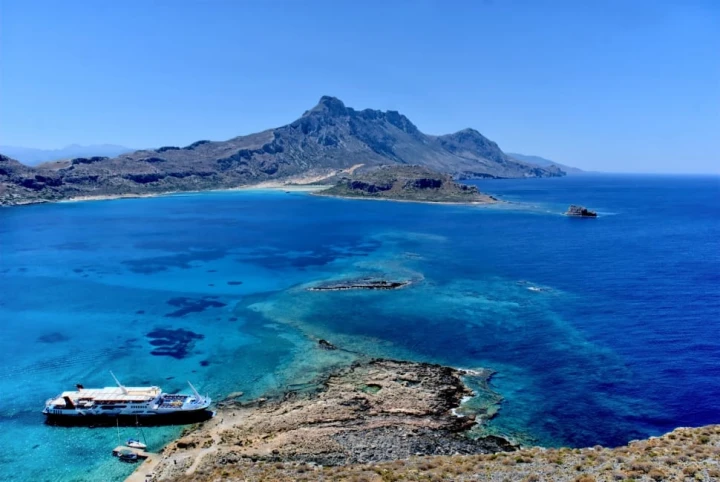
This isn’t just about two marine parks. Greece wants to become a leader in ocean protection across Europe and the world. According to Mitsotakis, protecting the ocean is directly tied to protecting the country’s future. Clean, healthy seas are not only good for nature but also for tourism, fishing, and the Greek economy.
What’s Next for Ocean Conservation in Greece?
The Prime Minister said this is just the beginning. The parks are expected to become models for how marine areas can be both protected and used wisely. The country plans to continue working with international organizations to share ideas and improve marine conservation practices.
Conclusion
If we fail to protect our seas, fish populations may decline, vital habitats can be lost, and the impacts of climate change could intensify. By designating safe zones where marine life can thrive, countries like Greece are playing a crucial role in helping the planet heal. These marine parks offer a powerful way to ensure that the ocean can continue to sustain both human and marine life for generations to come.