How should I present my Greek property to foreign buyers?

Blog

30.10.2025

Selling Greek property to foreign buyers requires strategic presentation that builds trust and highlights lifestyle benefits. International purchasers need comprehensive documentation, professional photography, and transparent communication to make confident remote decisions. Success depends on understanding cultural preferences, providing virtual tours, and demonstrating legal compliance. From pricing strategies to nationality-specific marketing approaches, effective presentation combines authentic Mediterranean appeal with modern professional standards that overseas buyers expect when investing in Greek real estate.

Presenting your Greek property effectively to foreign buyers requires understanding their specific needs, concerns, and decision-making process. International buyers seek transparency, professional presentation, and clear documentation that demonstrates legal compliance. Success depends on highlighting lifestyle benefits, providing comprehensive visual content, and building trust through professional communication and complete property information.

What makes a Greek property appealing to foreign buyers?

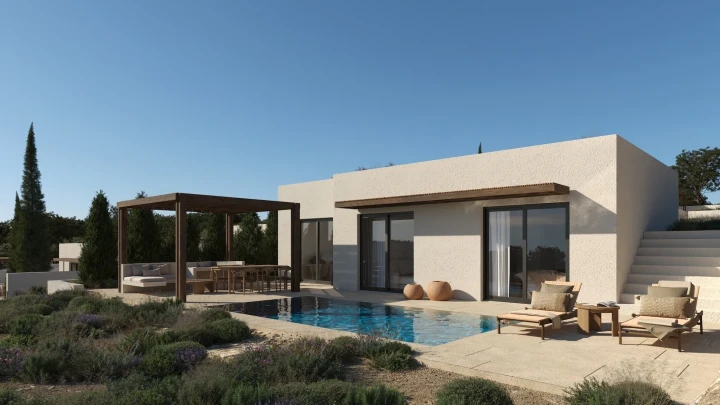
Foreign buyers are drawn to Greek properties that offer authentic Mediterranean lifestyle experiences combined with modern conveniences and clear investment potential. Location remains the primary factor, with coastal properties featuring sea views, proximity to beaches, and access to local amenities ranking highest in appeal.Architectural elements that resonate with international buyers include traditional Greek features like stone walls, terracotta roofs, and outdoor living spaces that can be enjoyed year-round. Properties with swimming pools, established gardens with olive trees or Mediterranean plants, and terraces that maximise scenic views consistently attract more interest from overseas purchasers.The investment potential aspect cannot be overlooked. Foreign buyers often evaluate properties based on rental yield opportunities, particularly in popular tourist destinations like Crete, Santorini, or the Ionian islands. Properties that can generate holiday rental income whilst serving as personal retreats offer the dual benefits that many international buyers seek.Lifestyle benefits that appeal to foreign buyers include the relaxed pace of Greek island life, excellent climate, rich cultural heritage, and the opportunity to integrate into welcoming local communities. Properties located within walking distance of traditional tavernas, local markets, or historic sites often command premium interest from buyers seeking authentic Greek experiences.

How should you photograph and showcase your Greek property online?

Professional photography is essential for attracting foreign buyers who cannot visit immediately. High-quality images should capture both interior spaces and outdoor areas during optimal lighting conditions, typically during golden hour or bright daylight that showcases the Mediterranean setting.Your photography strategy should include wide-angle shots that demonstrate room sizes and flow between spaces, detailed shots of unique features like traditional stonework or modern kitchen appliances, and exterior images that highlight outdoor living areas, gardens, and any sea or mountain views. Each room should be photographed from multiple angles to give buyers a comprehensive understanding of the space.Virtual tours have become increasingly important for international property marketing. These allow potential buyers to explore properties remotely and get a realistic sense of layout and atmosphere. Include 360-degree views of key rooms and outdoor spaces, ensuring the tour flows logically through the property as a visitor would naturally move through it.Drone photography can be particularly effective for Greek properties, showcasing the surrounding landscape, proximity to beaches or villages, and the property's position within its environment. This aerial perspective helps foreign buyers understand the location context and neighbourhood character that ground-level photos cannot capture.

What documentation do foreign buyers need to see upfront?

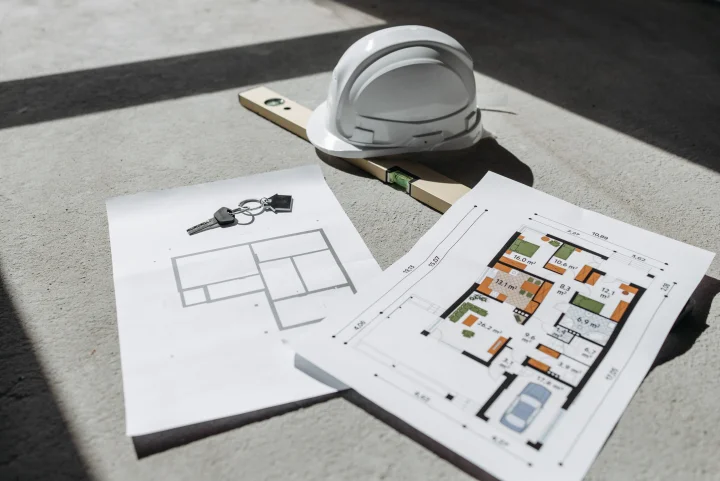
Foreign buyers require comprehensive legal documentation before making purchase decisions, as they cannot easily verify property status in person. Essential documents include clear title deeds showing ownership history, building permits confirming legal construction, and energy performance certificates meeting current EU standards.Property survey reports and structural assessments provide crucial information about the building's condition, particularly important for older Greek properties that may require renovation work. These technical documents help buyers understand potential additional costs and renovation requirements before committing to purchase.Tax compliance documentation demonstrates that all property taxes and municipal fees are current. This includes recent tax declarations, proof of payment for local authority charges, and confirmation that no outstanding debts are attached to the property. Foreign buyers particularly value this transparency as it prevents unexpected financial obligations after purchase.Planning permission documentation for any extensions, renovations, or swimming pools must be clearly presented. Many foreign buyers have experienced complications with unauthorised modifications in Mediterranean properties, so demonstrating full compliance with local building regulations builds confidence and trust in the transaction process.

How do you price your Greek property for the international market?

International market pricing requires understanding both local Greek property values and foreign buyer expectations from their home markets. Research comparable properties in your area that have sold to international buyers within the past 12 months, focusing on similar size, condition, and location characteristics.Consider the currency exchange rates and purchasing power of your target buyer demographics. German and Dutch buyers, for example, may have different price sensitivity levels compared to British or Scandinavian purchasers. Your pricing should reflect the value proposition from their perspective, including potential rental yields and lifestyle benefits.Factor in the total cost of ownership that foreign buyers will face, including annual property taxes, maintenance costs, and any community fees. Transparent pricing that accounts for these ongoing expenses demonstrates professionalism and helps buyers make informed decisions about their budget requirements.Market timing can significantly impact pricing strategy. Peak selling season for Greek properties to foreign buyers typically runs from early spring through summer, when buyers can visit and experience the lifestyle appeal. Pricing should reflect seasonal demand patterns and local market conditions during your intended selling period.

What's the best way to market Greek property to specific nationalities?

Successful marketing to specific nationalities requires understanding cultural preferences and communication styles that resonate with different European buyer segments. German buyers typically prefer detailed technical information, comprehensive documentation, and systematic presentation of property features and legal compliance.Dutch buyers often appreciate direct communication, clear pricing without hidden costs, and emphasis on practical aspects like energy efficiency, maintenance requirements, and rental potential. They respond well to straightforward presentations that highlight both benefits and any potential challenges or renovation needs.British buyers frequently focus on lifestyle elements, community aspects, and the emotional appeal of Mediterranean living. Marketing materials should emphasise outdoor entertaining spaces, local culture, and the relaxed pace of Greek island life. Visual storytelling through photography and virtual tours tends to be particularly effective.Scandinavian buyers often prioritise environmental considerations, energy efficiency, and modern conveniences integrated with traditional charm. Highlighting sustainable features, renewable energy systems, and eco-friendly aspects of the property and location can significantly increase appeal to these markets.

How can you build trust with foreign buyers who can't visit immediately?

Trust-building with remote buyers requires transparent communication, professional presentation, and third-party verification of property condition and legal status. Provide comprehensive video tours that include honest discussion of any property limitations or areas requiring attention, demonstrating integrity in your presentation.Professional references from local lawyers, surveyors, and property managers who can verify property details independently give buyers confidence in their remote decision-making. These third-party confirmations help overcome the natural hesitation buyers feel when purchasing property sight unseen in a foreign country.Regular communication updates throughout the inquiry and negotiation process maintain engagement and demonstrate reliability. Respond promptly to questions, provide additional information or photos as requested, and offer video calls to discuss property details personally. This consistent communication builds the relationship foundation necessary for remote transactions.Consider offering flexible viewing arrangements for serious buyers, including detailed video walkthroughs with local representatives, professional property inspections on their behalf, or virtual meetings with local professionals who can answer technical questions about the property and area.When selling my home in Greece to international buyers, success depends on professional presentation, complete transparency, and building trust through comprehensive documentation and communication. The complexity of cross-border property transactions requires expertise in both local market dynamics and international buyer expectations. For professional guidance on presenting your Greek property effectively to foreign buyers, contact our experienced team who specialise in international property transactions and understand the specific requirements of overseas purchasers.Disclaimer: This content is for informational purposes only and does NOT constitute legal or tax advice. For any issues relating to specific cases, it is highly recommended to consult a lawyer, an accountant or a notary depending on your needs.

You might also like