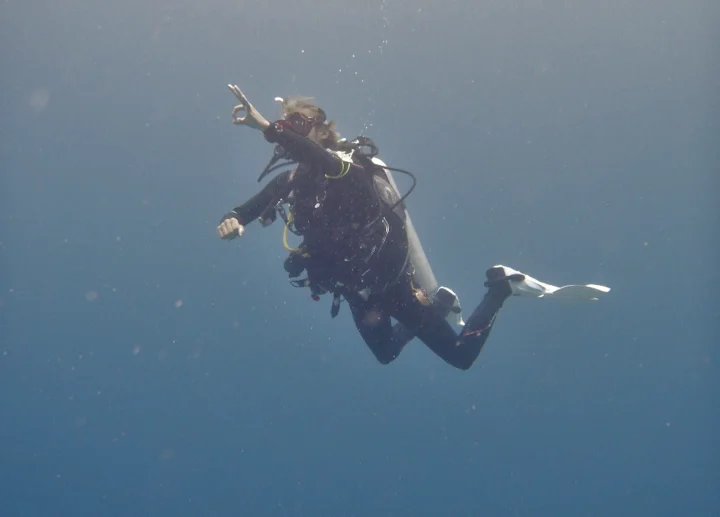
Pavlopetri, Peloponnese
The 5,000-year-old sunken city of Pavlopetri is found in Vatika Bay in the southern Peloponnese. The closest major city is Neapoli, but most visitors like to explore the area from Elafonisos, which is known for its white sand beaches. Although you can’t technically dive at this site because of its UNESCO protection, you are able to view the site by snorkelling. The city operated for 2,000 years and represents one of Europe’s first “planned” cities, with both residential and commercial districts.
Zakynthos Island
Zakynthos is one of the top diving sites in the Ionian Islands. The island is known for its turquoise waters, and the most popular site to dive is the National Marine Park that starts in the Bay of Laganas and extends to the Strofades islands. These are ideal areas to see the endangered loggerhead turtles (also called the Caretta Caretta). This is where they lay their eggs in the breeding season during the summer. Divers here also have the chance to see the rare Mediterranean monk seal. The village of Keri is a popular starting point for dives, with at least a dozen dive sites. Here, you will find deep caves which are home to giant shrimps and slipper lobsters.
Amorgos Island
Amorgos Island is found in the Cycladic island chain. Amorgos is best-known for its feature in the film The Big Blue, which shows the beauty of free-diving. Dive operators go from both of the ports on the island: Katapola and Aegiali. The reefs have great visibility and are home to barracuda and damselfish. Some of the best sites are close to Agios Pavlos Beach. Nikouria’s Cavern is known for its sponges and soft corals. From Amorgos, you can reach the island of Kinaros to dive and see the wreck of the cargo ship Manina 3, which has some pieces visible above the water. The wreck is now an artificial reef.
Crete
The southern edge of Crete has some of the best diving in the whole Mediterranean. Just east of Plakias is the beach of Skinaria, where you will find a peaceful bay with many treasures below the water’s surface. Here, you will find seagrass gorges and a steep drop-off that is home to moray eels and octopus. Only advanced divers can go into the underwater cavern. Alternatively, if you are near Chania in northwest Crete, you have to stop at the Elephant Cave. This partly-filled underwater cave is in the Drepano area and it is known for its incredible stalagmites. For divers who go deeper into the cave, you can see the fossils of extinct elephants from millions of years ago.