Greece’s PDO Products: A Taste of Authenticity

Lifestyle

06.04.2026

Greece is a country where history, landscape, and culture intertwine to produce some of the most unique foods in the world.

Among its culinary treasures are products protected under the Protected Designation of Origin (PDO) label, a European Union certification that guarantees authenticity, geographic origin, and traditional production methods. These products are not just food items; they are living expressions of Greek heritage.


What Does PDO Mean?

Protected Designation of Origin (PDO) is a certification that ensures a product is produced, processed, and prepared exclusively in a specific geographic area using recognized know-how. For Greece, this designation is especially important because many traditional foods rely on unique local climates, soil conditions, and centuries-old techniques.


The Rich Diversity of Greek PDO Products

Greece boasts dozens of PDO-certified products, ranging from cheeses and olive oils to wines and regional specialties. Each one tells a story of its region, its people, and its land.


Iconic Greek Cheeses

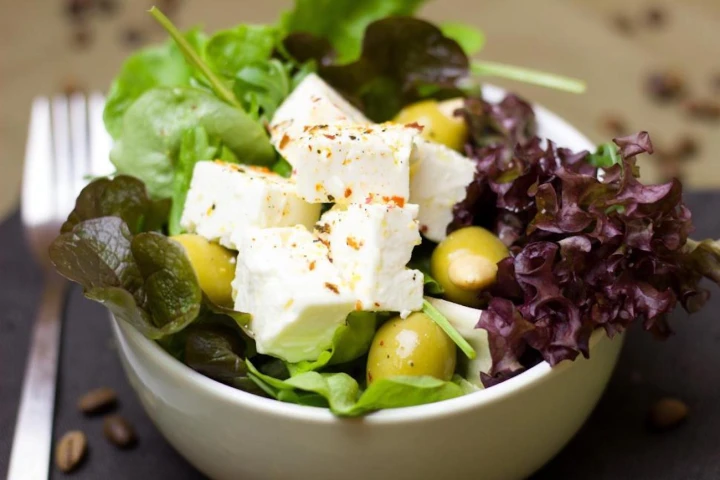
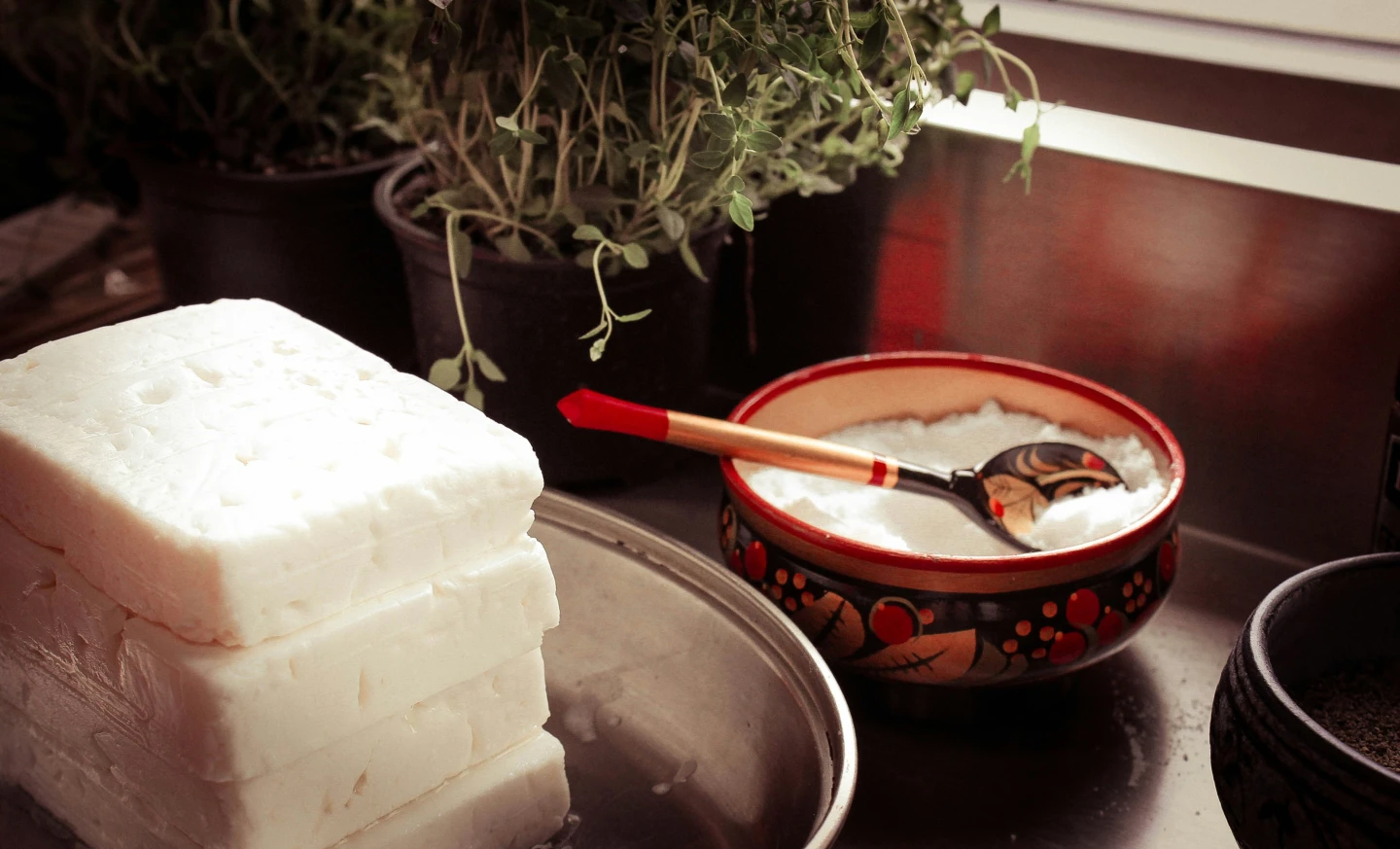
No discussion of Greek PDO products is complete without mentioning Feta cheese. Produced primarily in regions like Macedonia, Thessaly, and Epirus, feta is made from sheep’s milk or a mixture of sheep and goat milk. Its tangy flavor and crumbly texture make it a cornerstone of Greek cuisine and one of the most recognized cheeses worldwide.


Alongside feta, cheeses like graviera, kasseri, metsovone and kefalotyri reflect the diversity of Greece’s dairy traditions. From sweet and nutty to sharp and salty, each cheese is shaped by the natural environment in which it is produced: mountain pastures, wild herbs, and traditional grazing practices all play a role.

Olive Oil: The Liquid Gold of Greece

Greek olive oil is deeply embedded in the country’s identity, both culturally and nutritionally. Among the most celebrated PDO varieties is Kalamata olive oil, known for its balanced flavor, fruity aroma, and low acidity.


Across regions like Crete and the Peloponnese, olive oil production remains a careful, often family-driven process. Olives are typically hand-harvested and cold-pressed, preserving their rich antioxidants and distinctive taste. The result is an oil that enhances everything from salads to slow-cooked dishes, embodying the essence of the Mediterranean diet.


Kalamata Olives: A Greek Classic

In the fertile lands of the Peloponnese, Kalamata olives are instantly recognizable by their deep purple color and almond shape. Their flavor is rich, slightly fruity, and pleasantly tangy, making them a staple in Greek salads and meze platters.


Their PDO status ensures that only olives grown and processed in this specific region can carry the name, preserving both their quality and their cultural significance.


The Pistachios of Aegina: Small but Exceptional

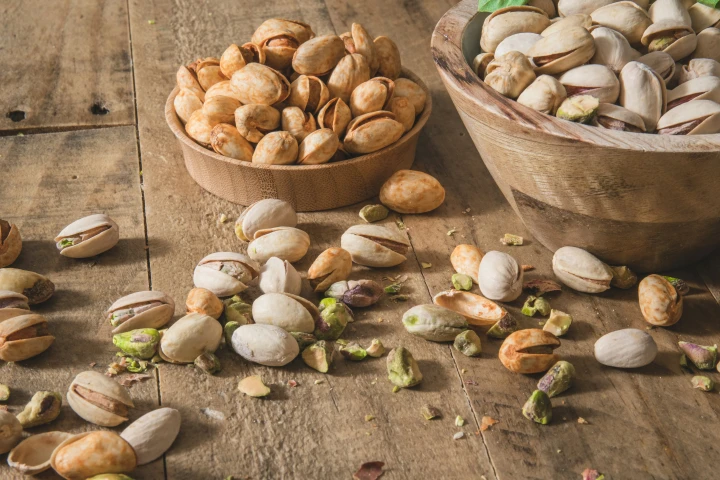
Aegina pistachios are widely considered among the best pistachios in the world. Grown on the island of Aegina, these nuts are smaller than many commercial varieties but pack an intense flavor and vibrant green color.


The island’s dry climate and mineral-rich soil create ideal conditions for cultivation. Whether enjoyed roasted, used in sweets, or incorporated into savory dishes, these pistachios are a great example of how land shapes taste.

Mastic (Mastiha) of Chios: Greece’s Aromatic Treasure

Mastiha is one of Greece’s most unique PDO products, found exclusively on the island of Chios. Unlike anything else in the culinary world, mastiha is a natural resin harvested from the mastic tree. It hardens into translucent “tears” and carries a distinctive, slightly sweet, pine-like aroma.


Used in desserts, liqueurs, and even savory dishes, it has been valued since antiquity for both its flavor and medicinal properties. Its production remains a delicate and labor-intensive process, deeply rooted in the traditions of Chios.


Krokos Kozanis: Saffron at Its Finest

Krokos Kozanis (Kozani saffron) is Greece’s answer to the world’s most luxurious spice. Grown in the region of Kozani, this saffron is known for its vivid red threads, intense aroma, and powerful flavor.


Harvesting saffron is painstaking work, as each flower must be picked by hand and carefully processed. The result is a spice that elevates both sweet and savory dishes, from risottos to traditional Greek recipes.


The Corinthian Raisin: A Small Current with a Great Past

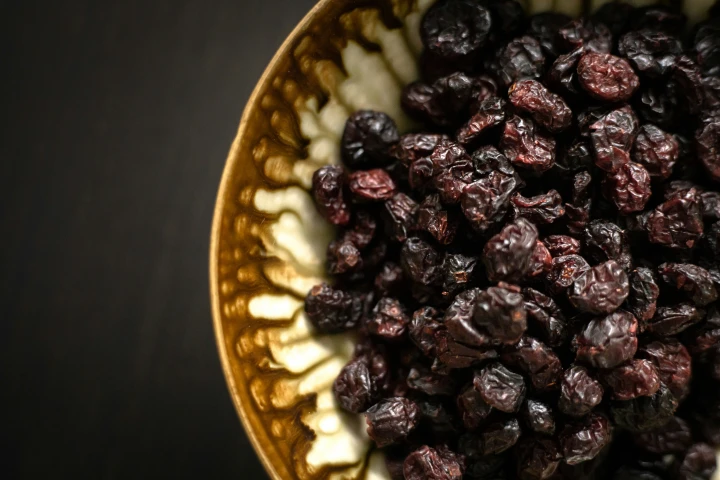
Black currants, also known as Corinthian raisins, are one of Greece’s oldest export products and a symbol of its agricultural history. Grown primarily in the Peloponnese region, these small, dark raisins are naturally sun-dried, resulting in an intense sweetness and rich, slightly tangy flavor.


Once accounting for roughly 70% of Greece's total exports, their PDO status protects not only their quality and authenticity but also a centuries-old cultivation and drying tradition that continues to define the region of Corinth.

Why PDO Products Matter

PDO products play a crucial role in supporting local economies, preserving traditional knowledge, and ensuring high-quality food production. They protect small-scale producers from imitation and allow consumers to trust the authenticity of what they are buying.


In a globalized food market, PDO labels serve as a reminder that origin matters — that flavor, craftsmanship, and identity are inseparable.


A Culinary Journey Worth Taking

Exploring Greece through its PDO products is like traveling across the country without leaving your table. From the tangy richness of Feta cheese to the aromatic uniqueness of mastiha and the delicate luxury of saffron, each product tells a story of place and heritage, offering a connection to Greece’s landscapes and traditions.

You might also like