29.07.2026
Car-free (and Carefree) Islands in Greece
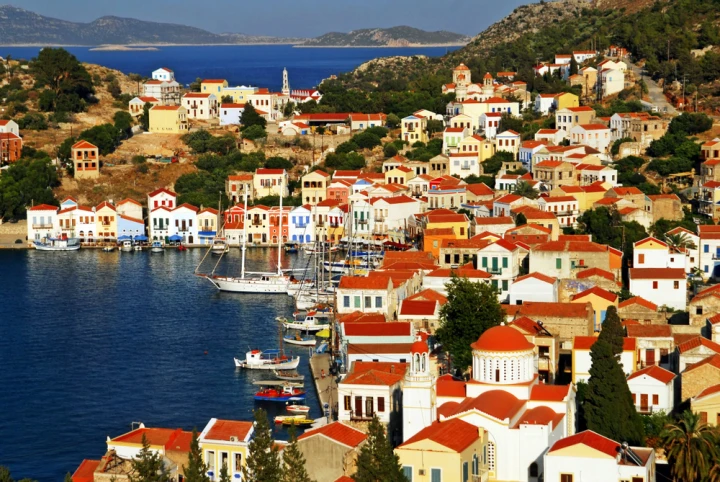
Among Greece's greatest charms is its wealth of islands.
Lifestyle
15.01.2026
Greece has over 750 registered thermal springs, with approximately 150-180 being exploited and open to visitors, while many of them offer therapeutic properties and enhance thermal tourism, even though only a small part of them has been developed for year-round tourism and a high quality of life. From mainland spa towns to island-based thermal experiences, Greece’s hot springs form part of a broader lifestyle landscape that appeals to both visitors and long-term residents.
The use of thermal waters in Greece dates back thousands of years. Ancient physicians, including Hippocrates, studied the therapeutic effects of mineral-rich springs, laying the foundations for spa culture in the Mediterranean. Today, around 80 hot springs in Greece are officially recognized for their healing properties. Rich in minerals such as sulfur, magnesium, calcium, and iron, these waters are commonly associated with benefits for joints, skin, circulation, and relaxation.
Located on the island of Evia, approximately two and a half hours from Athens, Edipsos is one of the most famous thermal destinations in Greece. The town features around 80 springs, with water temperatures ranging from warm to extremely hot.
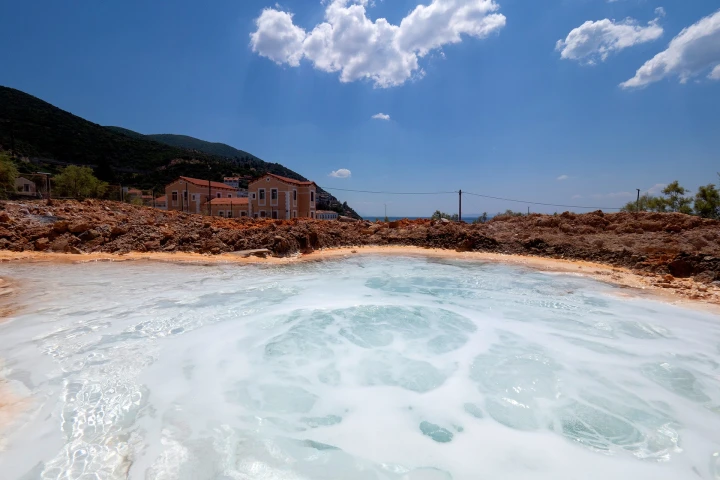
What makes Aidipsos particularly attractive is the integration of hot springs into everyday life. Thermal waters feed hotels, spa centers, and even reach nearby beaches, where warm mineral water flows into the sea. Accommodation options range from boutique hotels to luxury resorts, making the area suitable for both short stays and longer retreats.
Kamena Vourla, located north of Athens, combines seaside charm with thermal wellness. Its springs are known for stable temperatures and mineral content, while nearby cultural landmarks such as Delphi and Mount Parnassos add to the area’s appeal.
Further south, Loutraki is one of Greece’s earliest spa destinations. Close to Athens and Corinth, it offers modern hydrotherapy facilities and thalassotherapy treatments. Its accessibility makes it popular for day trips, but also attractive for longer stays focused on wellness and leisure.
The Peloponnese is home to several notable hot springs shaped by volcanic activity and natural landscapes. Methana, a volcanic peninsula near Aegina, offers sulfur springs, scenic trails, and traditional villages.
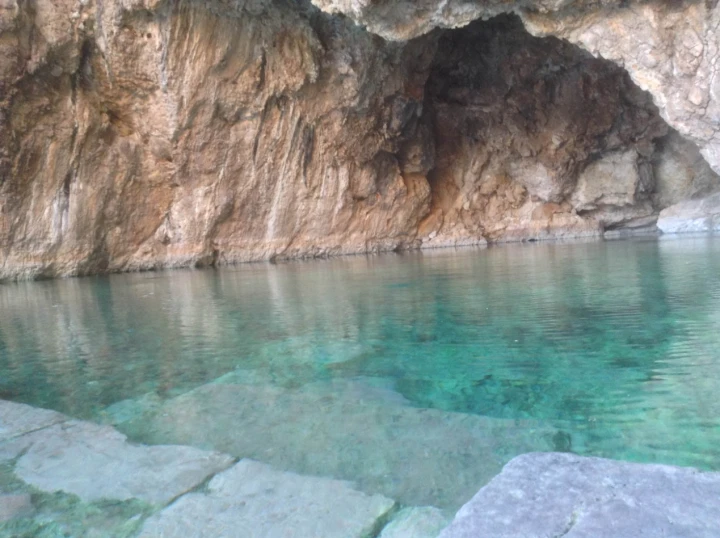
Kaiafas, near Zacharo, features sulfur-rich waters emerging from caves beside a lagoon, surrounded by pine forests. The area combines natural beauty with modern spa facilities.
In Kyllini, thermal springs are hidden within dense forest near the coast. Known since ancient times, the springs are associated with treatments for arthritis and respiratory conditions, offering a secluded and tranquil setting.
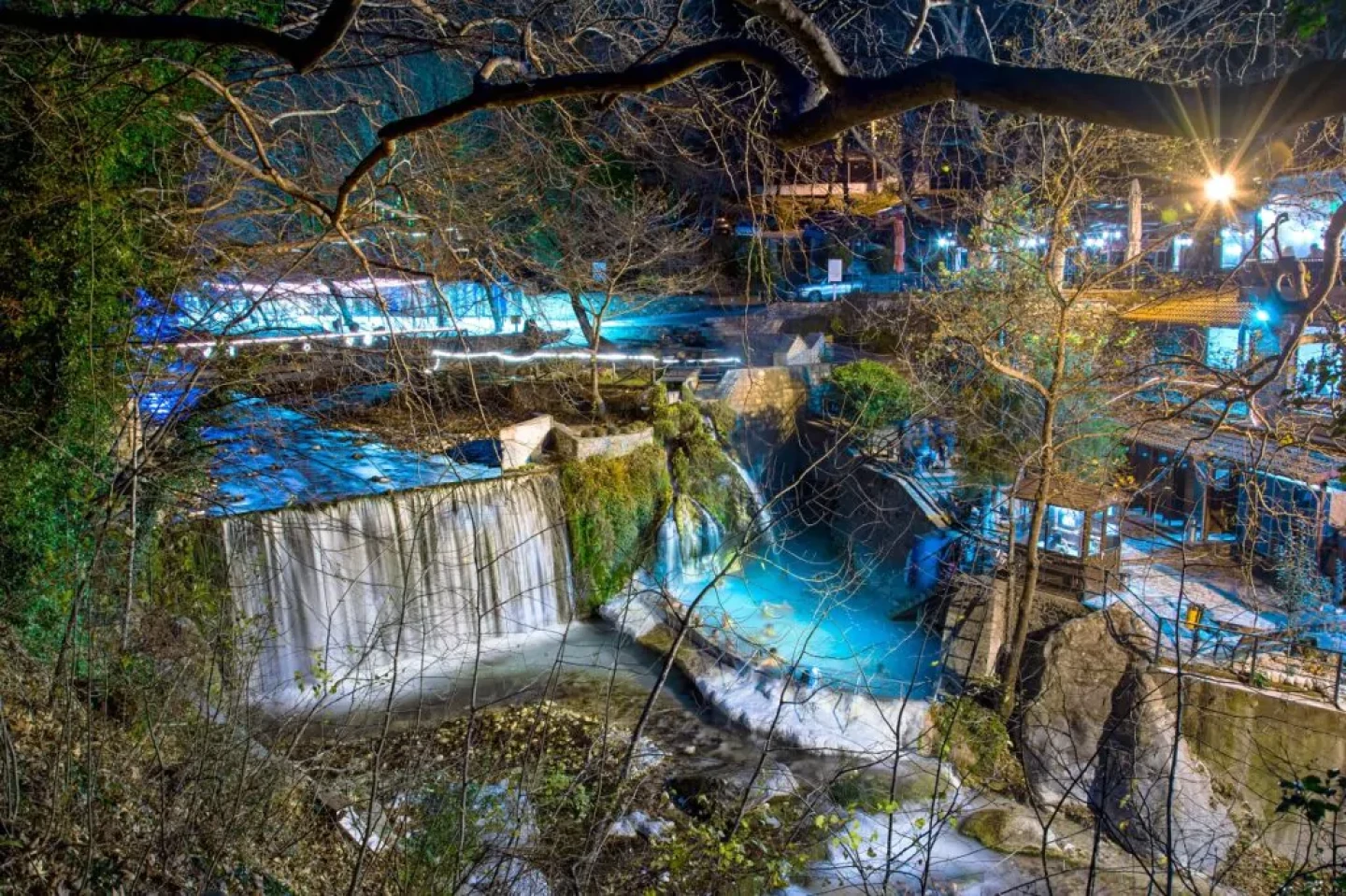
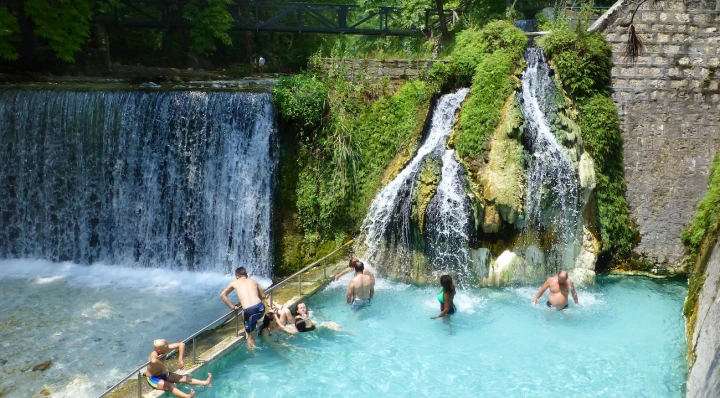
In northern Greece, Pozar Thermal Baths stand out for their dramatic mountain setting near Mount Kaimaktsalan. With pools, rivers, and waterfalls fed by warm mineral water, Pozar is popular year-round and combines wellness with outdoor activities.
Lagadas, near Thessaloniki, features Byzantine-era baths still in use today, reflecting centuries of continuous spa tradition.
Even Santorini, known primarily for luxury tourism, offers a natural hot spring experience at Palia Kameni. Visitors reach the springs by boat and swim in mineral-rich waters near volcanic rocks, adding a wellness element to the island’s iconic landscape.
The presence of natural hot springs in Greece supports more than tourism alone. These destinations contribute to year-round activity, local economies, and a lifestyle focused on wellness and nature. For those considering longer stays or relocation, access to thermal spa areas adds a unique dimension to everyday living.
29.07.2026
Among Greece's greatest charms is its wealth of islands.
28.04.2026
Weddings in Greece are no longer limited to a single day. Increasingly, they are planned as multi-day stays, with couples and their guests spending several days in one location. Most of these weddings involve couples coming from abroad. Instead of traveling only for the ceremony, they organize a broader stay that includes time for gathering, exploring, and hosting additional events. The wedding becomes part of a longer visit rather than a standalone occasion.
06.04.2026
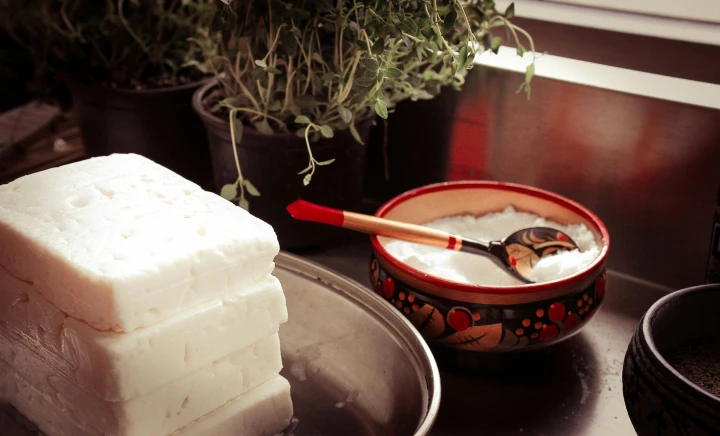
Greece is a country where history, landscape, and culture intertwine to produce some of the most unique foods in the world.
27.03.2026
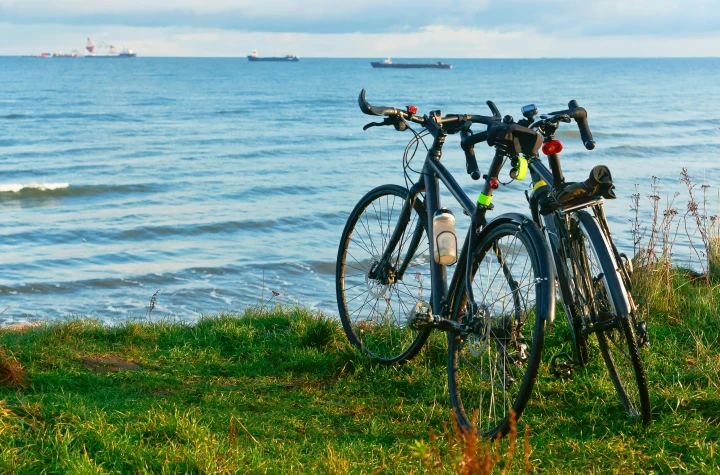
Greece is best known for its islands, history, and food— but it is increasingly becoming a strong contender in the world of cycling travel. With its varied terrain, mild climate, and mix of coastal and mountainous landscapes, the country offers routes for every type of rider, from casual cyclists to experienced adventurers.
Below are six of the most bike-friendly destinations in Greece, each offering a distinct experience on two wheels.
06.02.2026
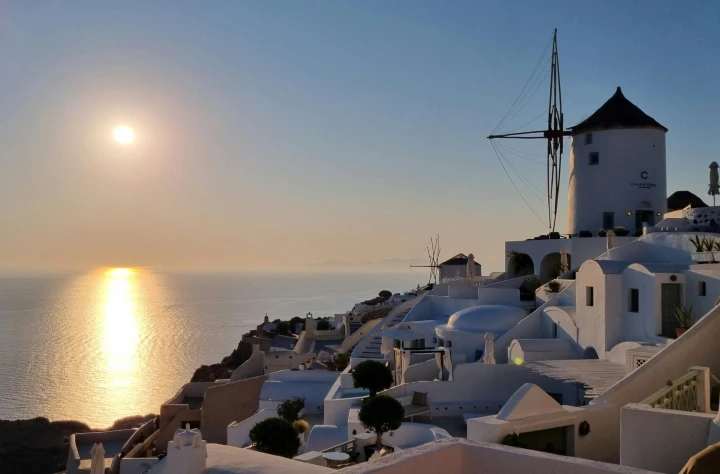
Santorini has long been synonymous with romance, and in 2026, that reputation feels stronger than ever. Recently ranked among the top three most romantic destinations in the world by Condé Nast Traveller, the iconic Greek island once again finds itself in the global spotlight, alongside the Amalfi Coast and the Maldives. For couples around the world, Santorini is a must-see place to slow down, disconnect, and experience beauty at its most effortless.
06.02.2026
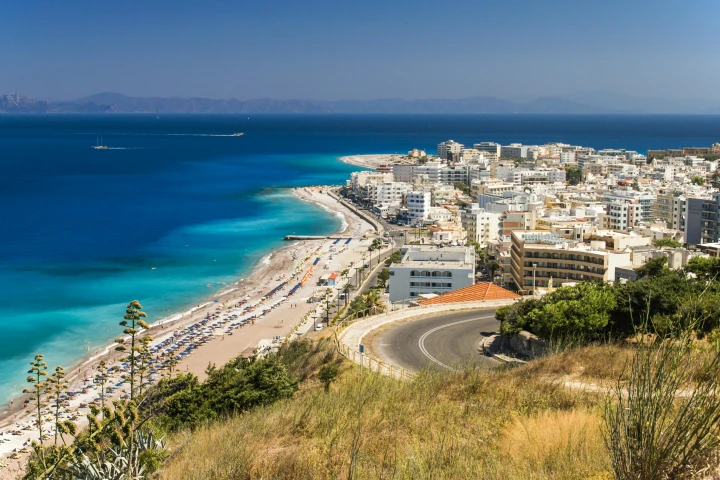
The island of Rhodes was voted as the best island in Greece for solo travellers, based on a report by the Hungarian air carrier Wizz Air.
02.02.2026
Greek wedding traditions are famous around the world for their music, energy, and unforgettable celebrations. Many Greek wedding traditions come from Greek Orthodox customs and local regional practices, and they create a wedding day that feels both sacred and unforgettable. If you’ve ever attended a Greek wedding (or watched one in a film), you may have noticed rituals that seem unusual at first. Crowns, candles, shared wine, or even money placed inside the bride’s shoes. Here’s what they mean, explained simply.
26.01.2026
Greece is rapidly evolving from a historically modest digital landscape to a modern, high-speed internet hub. For decades, slower connections and limited broadband access made reliable internet a challenge, especially outside major cities and on the islands. In 2026, strategic investments in connectivity infrastructure are reshaping Greece’s digital reality and influencing everything, from property values and remote work trends to tourism appeal and everyday life. Today, strong internet connectivity is no longer a luxury; it’s a must-have for global buyers, digital nomads, and local professionals. Whether you’re considering Greek real estate as an investment or a place to live, understanding the connectivity landscape in Greece is essential.