Basements in Greece: Can They Become Living Spaces?

In The News

18.03.2026

Eva Karolidou

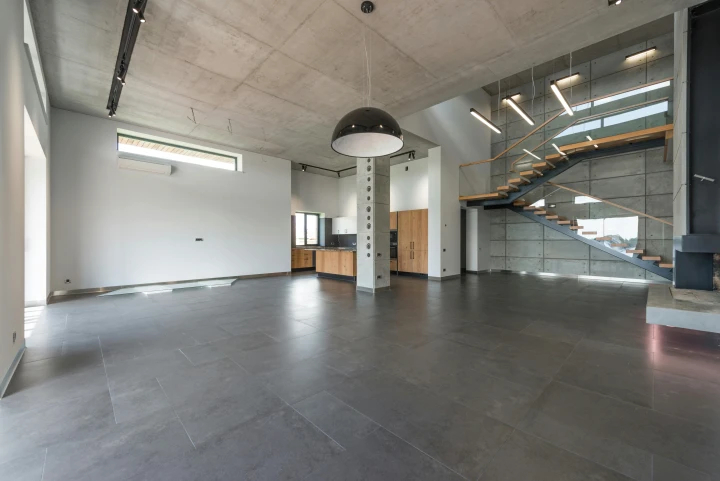
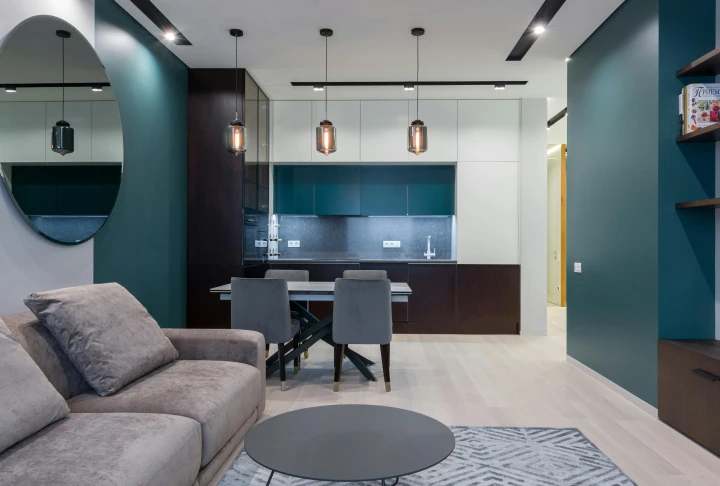
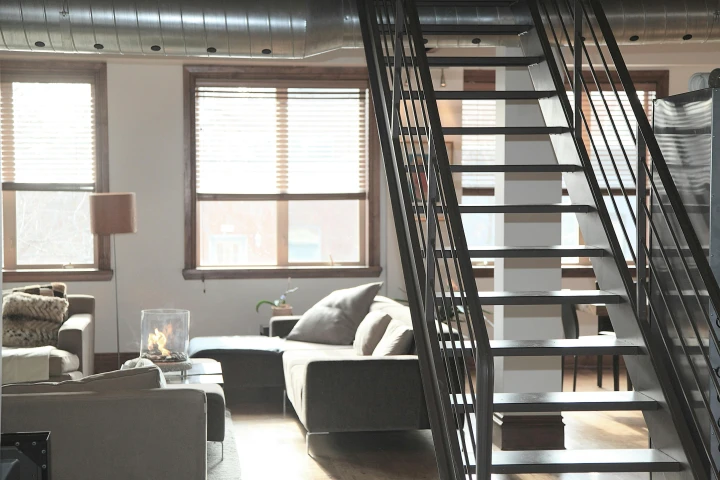
Basements are a familiar feature of many homes across Greece. Traditionally used for storage, parking, or utility areas, these spaces are increasingly being reimagined—sometimes as guest rooms, independent apartments, or even stylish leisure areas. For anyone exploring property in Greece, it’s useful to understand how basements are defined and when they can legally function as living spaces. The rules are quite specific, but once explained clearly, they follow a logical structure.

What Is Considered a Basement?

Under the New Building Regulation (NOK), a basement is a floor—or part of one—that lies mostly below ground level. The defining detail is its height in relation to the ground outside. A space is considered a basement when its ceiling does not rise more than 1.20 metres above the final ground level. This measurement is taken from the outside ground level, not from inside the room. This distinction plays an important role in how the space is classified and used.

Basement vs. Semi-Basement

In everyday conversation, you may hear the term “semi-basement.” While not strictly defined as a separate category in the regulations, it is commonly used to describe spaces that are partially underground but more open to light and air. Typically:


- A basement is mostly underground, with limited exposure above ground level

- A semi-basement sits higher, often with windows or doors and more natural light


Depending on its characteristics, a semi-basement may be closer to a main living space in both design and function.

How Height Is Measured

One common point of confusion is how height is evaluated. What determines whether a space is a basement is not the internal height, but the position of the ceiling relative to the ground outside. The internal height, however, becomes important when assessing whether the space can be used for living purposes.


There are also special cases—such as traditional settlements or areas outside city plans—where additional planning rules may apply.

When Basements Are Not Counted in Building Area

In residential buildings, basements are often treated differently from main floors. They are generally not counted toward the building coefficient (the total allowed built area), provided that:


- They match the footprint of the building above.
- They are used for auxiliary purposes (such as storage, parking, or mechanical rooms).
- And their ceiling remains within the 1.20-metre limit above ground level.


This is why basements are commonly used for supporting functions rather than living spaces.

When a Basement Becomes a Living Space

A basement can be used as a main living area—such as a home, office, or shop—if it meets certain requirements. These include:


- Sufficient ceiling height (typically at least 2.50 metres for main use).
- Adequate natural light and ventilation.
- Compliance with health and safety standards.
- And importantly, approval of the building permit.


If these conditions are met, the space can be classified as a main-use area, meaning it serves the primary function of the building.

Special Case: Sloping Plots

Greece’s landscape often includes sloped terrain, which can create interesting architectural layouts. In such cases, a basement may be fully exposed on one side. If that exposed side reaches typical ground-floor height and includes standard openings, the space may be treated more like a ground-level floor. This affects how it is classified and how it is counted in planning terms.

What About Older Properties?

Building rules have evolved over time. Before 2012, basements were allowed to extend up to 1.50 metres above ground level under previous regulations. As a result, older properties may have basements that differ from today’s standards while still being fully compliant with the rules in place when they were built.

Expanding or Modifying a Basement

It is sometimes possible to extend a basement—for example, into the uncovered part of a plot. This depends on planning conditions such as:


- Distances from property boundaries.
- Site coverage and building limits.
- Preservation of natural ground levels.
- Local or special building regulations.


Each case is assessed individually, especially in areas with particular architectural or planning significance.

Regularising Changes of Use

In cases where a basement has already been converted into a living space, there may be options to formally declare and regularise this change—particularly if it took place before July 2011. The process involves documenting the change and calculating a fee based on factors such as:


- Property value

- Size of the space

- Extent of the change

- Time period in which it occurred


Supporting documents—such as tax records, contracts, or utility data—are often used to establish when the change happened.

A Matter of Definition and Design

Basements in Greece offer flexibility and potential. Whether used as practical support spaces or thoughtfully designed living areas, their role depends on how they are defined, constructed, and approved. Understanding the distinction between auxiliary and main use, along with how basements are measured and classified, helps bring clarity to what is possible within the existing framework.


With the right information—and the guidance of a qualified engineer—these spaces can be approached with confidence and clarity, whether you are buying, renovating, or simply exploring your options.

You might also like