Airbnb Regulations in Greece: A Targeted Approach in 2026
Short-term rentals remain an important part of Greece’s tourism landscape. In 2026, however, the Greek government continues to apply targeted regulations in specific urban areas where short-term rental activity has become particularly concentrated.
It’s important to note from the outset that these measures do not apply nationwide. The vast majority of locations in Greece — including most islands, coastal areas, suburbs, and smaller towns remain unaffected.
In a recent article, which you can find by clicking here, we mentioned the growth in short-term rentals in Greece in 2025, according to Eurostat data.
What Has Actually Changed in 2026
Airbnb Registration in Designated Urban Zones
In a small number of high-density city districts in Athens and Thessaloniki, new registrations for short-term rentals (AMA – Αριθμός Μητρώου Ακινήτου) are currently restricted.
In these zones:
– The Airbnb registration is linked to the current owner, not permanently to the property
– If ownership changes through a sale, parental provision, or inheritance, the existing registration is removed
– The new owner may continue using the property for long-term rental or personal use
This rule applies only in clearly defined areas where housing pressure is highest.
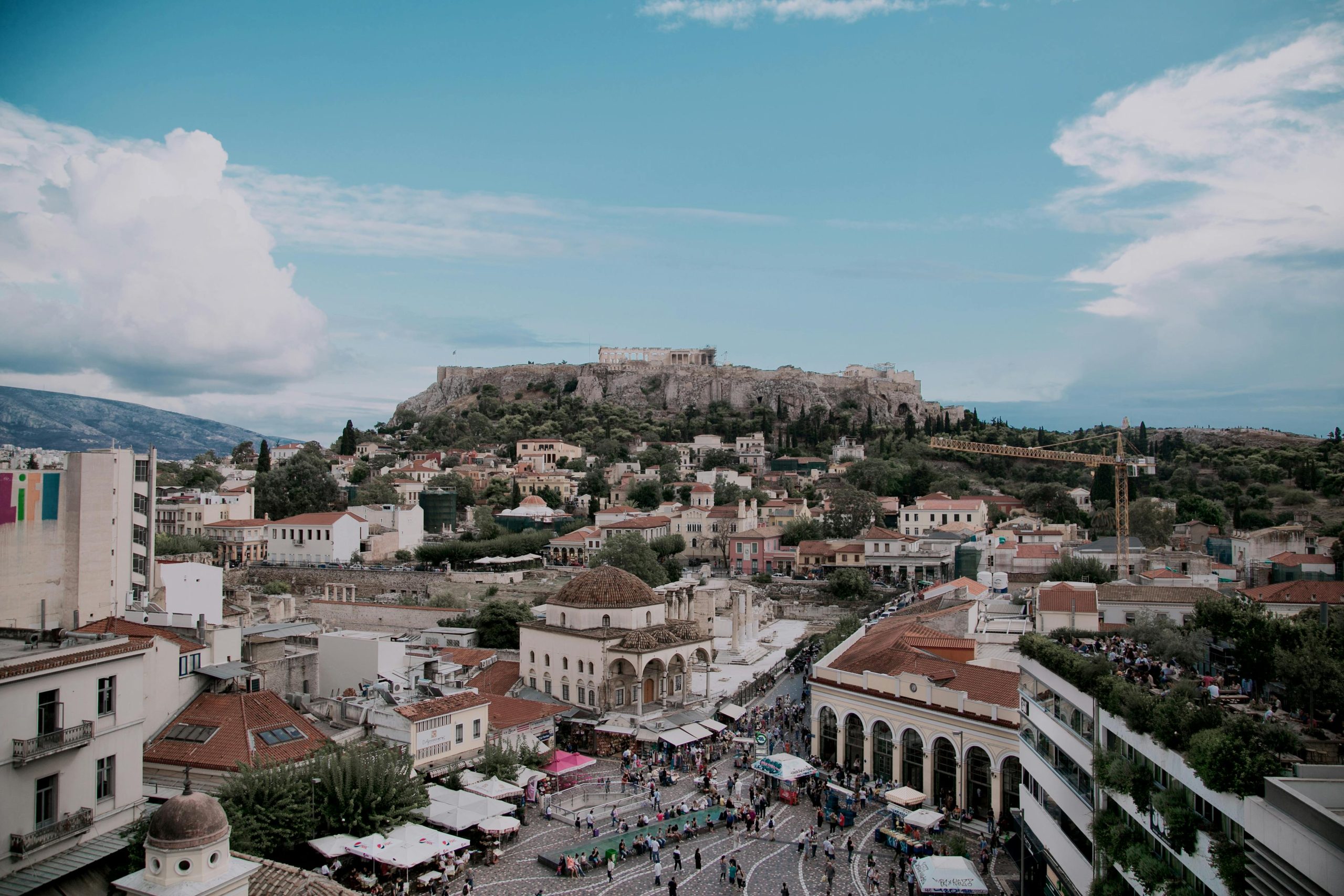
Athens, Greece
Where These Rules Apply
Athens – Limited Central Districts
The restrictions continue in parts of central Athens, primarily neighbourhoods with exceptionally high tourist demand.
These include selected areas within:
– The 1st Municipal Community (often referred to as a district) historic and commercial centre: Includes the commercial triangle (Plaka, Monastiraki, Syntagma, Omonia), Kolonaki, Exarcheia, Ilisia, Neapoli and Koukaki.
– The 2nd Municipal Community: Includes areas such as Mets, Neos Kosmos, Agios Artemios and Pagrati.
– The 3rd Municipal Community: Includes Petralona, Thiseio, Gazi, Votanikos, Metaxourgio and Rouf.
Even within Athens, many neighbourhoods remain fully open to short-term rentals.
Thessaloniki – Historic Centre Only
From March 2026, similar measures apply to the historic and commercial core of Thessaloniki’s 1st Municipal Community (often referred to as a district). The suspension of new registrations will initially apply for one year, with the possibility of extension. This includes Aristotelous Square, Egnatia and Tsimiski axes, Ladadika and the area around the port, Rotonda, Kamara and areas of Ano Poli, and also the seafront up to the White Tower.
Again, this affects only a small part of the city, where short-term rental listings are heavily concentrated.
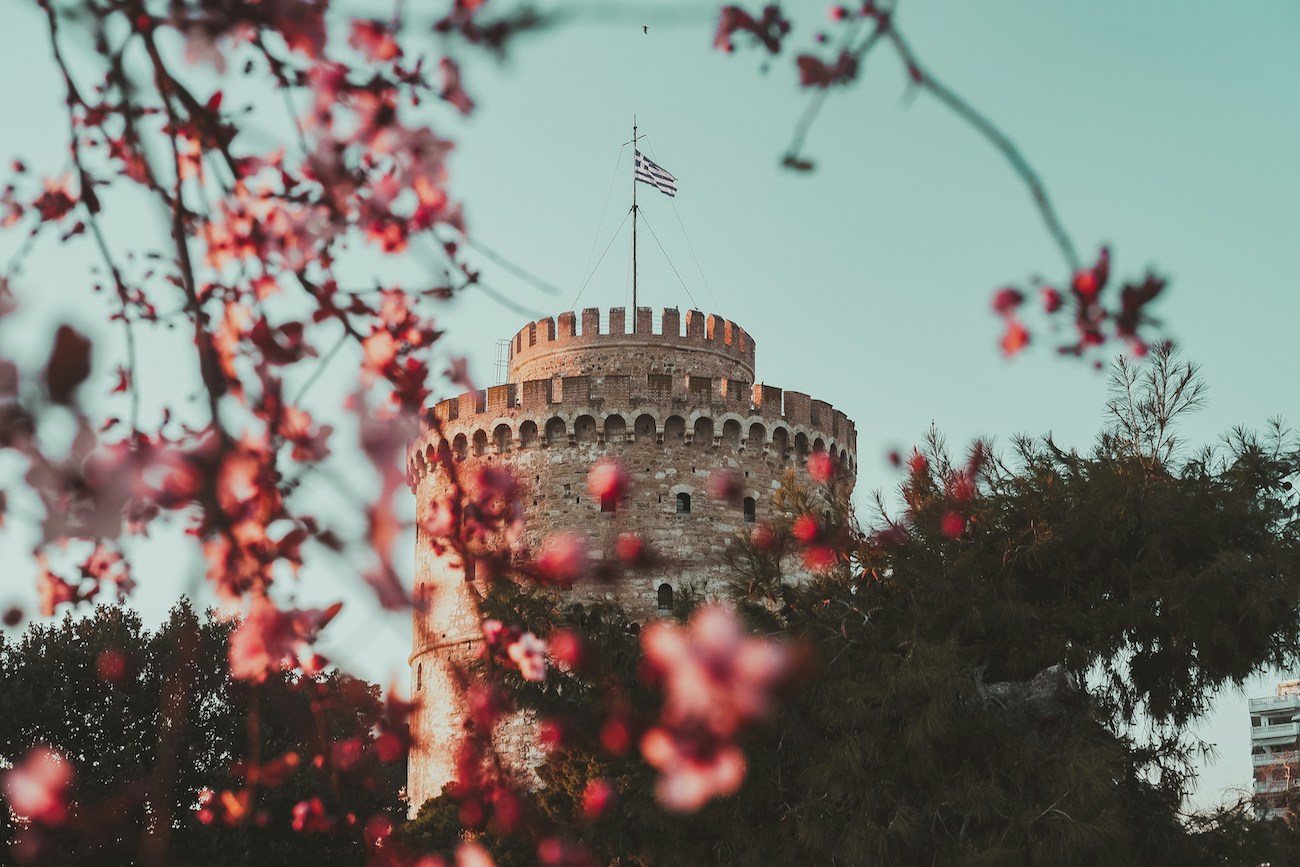
White Tower, Thessaloniki
A Review Year, Not a Permanent Ban
The year 2026 is considered a review period. Authorities are monitoring the impact of the measures on housing availability and rental prices in those specific neighbourhoods.
Any future decisions will be based on data, and potential adjustments are expected to remain geographically targeted, rather than broad or nationwide.
What Remains Unchanged
Outside these specific urban zones:
– Short-term rentals continue to operate under the existing national framework
– New Airbnb registrations remain possible
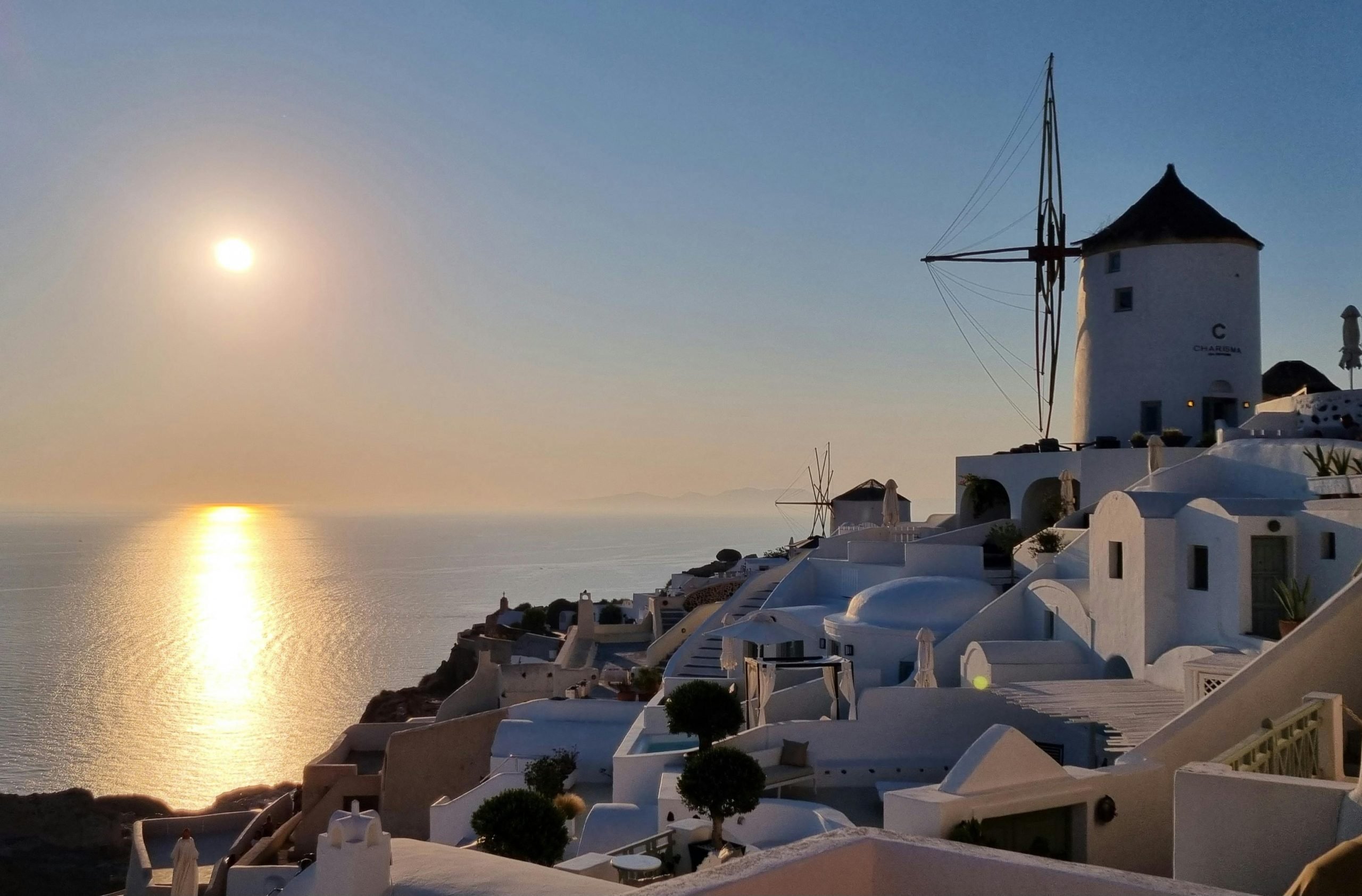
– Island destinations, coastal areas, resorts, and suburban locations are unaffected
Paros, Santorini, Chania, and Halkidiki are Being Monitored
Recent media reports have also highlighted increased attention on high-demand tourist destinations such as Paros, Santorini, Chania, and parts of Halkidiki, where short-term rental activity has grown rapidly in recent years.
At this stage, it is important to clarify that these areas are not subject to a blanket nationwide ban on short-term rentals. Instead, they are under closer monitoring due to strong seasonal demand and pressure on local housing availability, particularly for permanent residents and seasonal workers.

Paros Island
In practical terms:
– Existing short-term rentals in these areas continue to operate under the national framework
– New registrations remain possible, subject to compliance with AADE and Ministry of Tourism rules
– Any future restrictions, if introduced, are expected to be localised and data-driven, rather than island-wide or region-wide bans
For most buyers considering vacation homes, investment properties, or lifestyle purchases, the regulatory environment remains familiar and manageable.
Greece continues to attract strong interest from international buyers, and short-term rentals remain a viable option in many parts of the country. With proper due diligence and local advice, buyers can still identify properties that align perfectly with their investment or lifestyle goals.
FAQ: Airbnb Rules in Greece (2026)
Is Airbnb still allowed in Greece in 2026?
Yes. Short-term rentals continue to operate across Greece under the existing national framework. The 2026 measures apply only to specific, high-density urban areas, not nationwide.
Does this affect the Greek islands?
In general, no. Most Greek islands, coastal destinations, and resort areas remain unaffected. Short-term rentals are still permitted, provided the property is properly registered and complies with AADE and Ministry of Tourism requirements.
What about Paros, Santorini, Chania, and Halkidiki?
These destinations are currently under closer review due to high demand, but they are not subject to blanket bans. Existing rentals continue to operate normally, and new registrations remain possible. Any future measures, if introduced, are expected to be localised and data-driven, not island-wide.
Can I still buy a property and rent it short-term?
Yes, in most locations. As with any property purchase, it’s important to check the specific area and zoning before buying, especially in popular town centres or historic districts.
Is Greece still attractive for short-term rental investment?
Yes. Greece remains one of Europe’s most popular tourism markets, and short-term rentals continue to be a widely used and viable model in many parts of the country, particularly in islands, resort areas, and suburban locations.
For our complete guide on short-term rentals in Greece, click here.