Where Greece’s Holiday Home Market Is Heading in 2026

Market Insights

21.04.2026

Eva Karolidou

The Greek holiday home market in 2026 is no longer defined by a single trend. What is emerging instead is a rising demand for smaller, more affordable holiday homes. This shift reflects broader changes in international buyer behavior. Foreign purchasers are no longer simply searching for a beautiful house near the sea. They are looking more strategically at value, rental potential, construction quality, lifestyle convenience, and future resale opportunities. Greece continues to attract strong overseas interest, but the profile of demand is becoming sharper and more selective.

Rising Demand For Smaller Homes

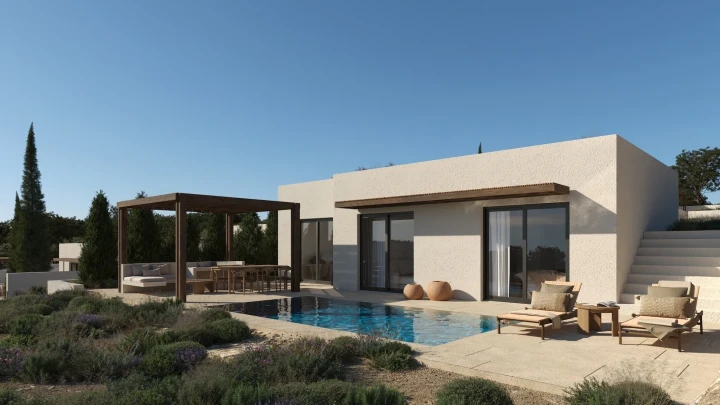
One of the clearest trends for 2026 is the increasing popularity of smaller holiday homes. According to our market observations, buyers are showing growing interest in newly built properties of 60-70 square meters with two bedrooms, as well as even smaller units of 35-45 square meters with one bedroom. This is a meaningful departure from older assumptions that foreign buyers mainly sought larger villas or spacious family homes.


The appeal of compact homes is rooted in both affordability and practicality. For many buyers, these properties offer an accessible entry point into the Greek market. For others, the attraction is purely investment-driven. Smaller properties are easier to manage, cheaper to maintain, and well-suited for short-term rental. In that sense, they combine lower risk with attractive income potential.


The market response to selected projects confirms this trend. Strong interest in newly launched developments with modest-sized homes suggests that this is not an isolated pattern but part of a wider shift in demand. Even during periods traditionally considered slower for the market, high numbers of enquiries and early reservations indicate that smaller homes are becoming an increasingly important category in the holiday property sector.

Reshaping The Property Prices

According to our data, during 2025, one in four properties sold was priced above €600,000, a share three times higher than in previous years. This is a striking indicator that a growing segment of buyers is willing to spend substantially more for higher-quality homes in prime locations. The average sale value of newly built holiday homes reached €450,000 in 2025, representing an increase of 37.3% compared with 2024. This rise reflects a clear shift in buyer behavior, with many purchasers placing greater value on high-quality construction, modern design, privacy, and well-integrated amenities. In other words, buyers are becoming more selective and more willing to invest in properties that meet higher standards.

Why Larger Homes Are Becoming Less Popular

Another important trend is the relative decline in demand for very large properties, especially homes exceeding 100 square meters. This is an important signal because it suggests a deeper transformation in buyer priorities. Size alone is no longer a decisive advantage. There are practical reasons behind this change. Larger homes often come with higher maintenance costs, greater energy consumption, and more unused space.


Many modern buyers, especially international ones, are not looking for a property that feels burdensome. They want flexibility, simplicity, and efficiency. A one or two-bedroom home often fits their actual lifestyle better, whether they plan to use it personally for part of the year or rent it out for income. That said, buyers increasingly evaluate property not just emotionally, but operationally: how easy it is to maintain, how often it will be used, and how strongly it can perform in the rental market.

What Buyers Want in a Property

Although budgets differ widely, buyer preferences show strong consistency. Newer properties are clearly preferred, especially those under construction or completed within the last five years. This points to demand for modern standards, lower maintenance needs, better energy performance, and contemporary aesthetics.


Location remains central. Proximity to the sea continues to be a powerful selling point, but buyers also care deeply about practical accessibility. Shops, restaurants, cafés, and everyday services matter because purchasers increasingly want homes that combine leisure with ease of living. A holiday home is no longer just an escape; it is also expected to function smoothly as an asset and as a lifestyle product.


Other highly valued features include swimming pools, privacy, easy parking, and good accessibility. These are not merely luxury extras. In many cases, they have become standard expectations, especially among international buyers comparing Greece with other Mediterranean destinations.

Geographic Winners in 2026

Crete and the Ionian Islands remain among the strongest performers in the market, with Corfu continuing to attract particular attention. These areas benefit from established international recognition, strong tourism appeal, and a broad range of property types. At the same time, other destinations are rising in importance. Kalamata is gaining visibility, while Thessaloniki is emerging as a particularly interesting alternative for premium residential demand. Thessaloniki offers a combination of urban infrastructure, lifestyle appeal, and comparatively lower pricing than Attica. For foreign buyers who want quality without the cost level of Athens, it presents a compelling option.


This evolution matters because it suggests that Greece’s holiday home market is broadening geographically. Demand is no longer concentrated only in traditional island or resort locations. Buyers are becoming more open to destinations that combine value, connectivity, and long-term growth potential.

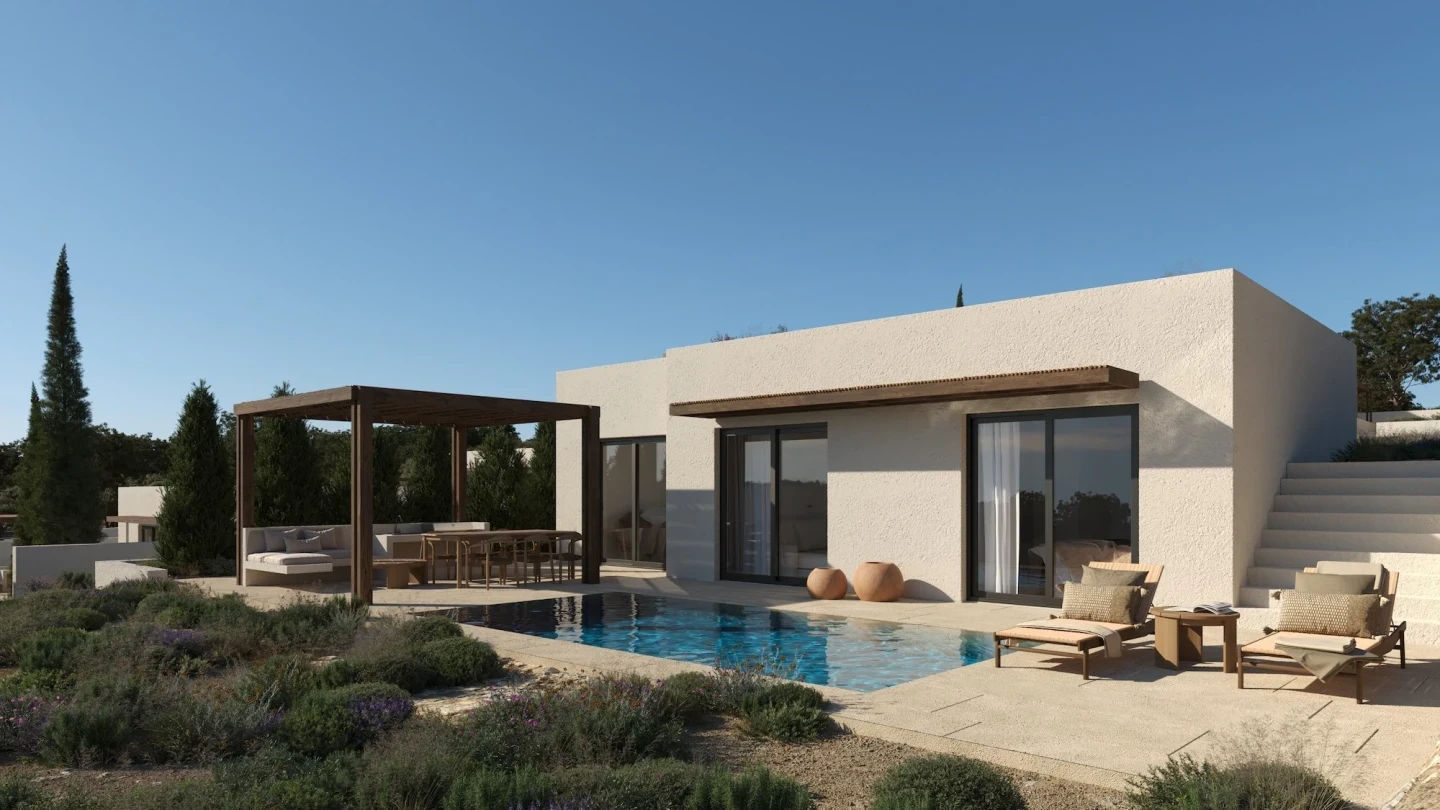
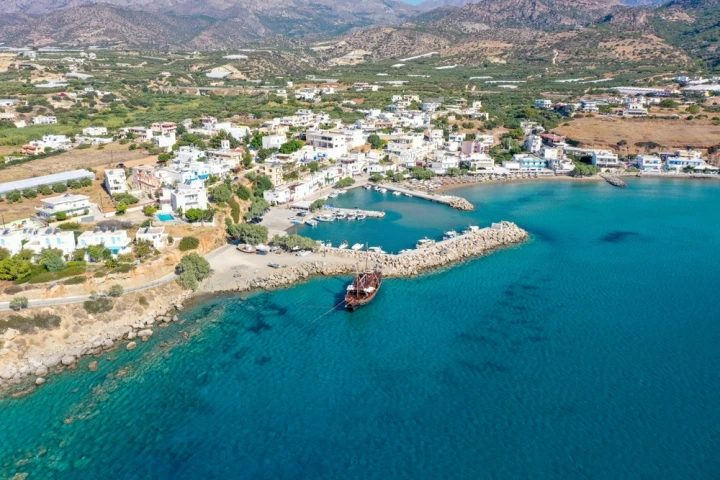
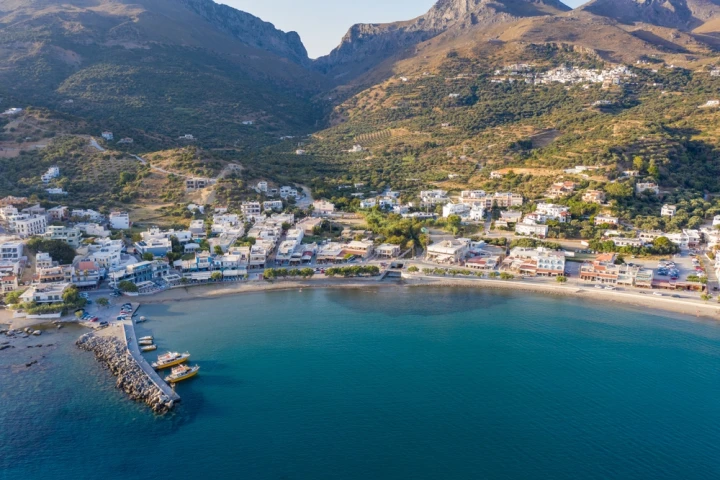
Makrygialos, Crete

The Fading Pull of the Golden Visa

The declining appeal of the Golden Visa is another significant factor. Higher investment thresholds have made the program less accessible, while restrictions on short-term rentals for Golden Visa-linked properties have reduced its attractiveness for yield-focused investors. As a result, the market is becoming less dependent on residency incentives and more driven by the real quality and performance of the property itself.

A Smarter Property Market

Overall, the Greek holiday home market in 2026 is defined by sophistication rather than uniformity. Investment opportunities remain a key driver for foreign buyers choosing to purchase property in Greece. New constructions, in particular, stand out as the smart choice, thanks to the flexibility they offer: they can be used as holiday homes, rented out for steady income, or resold in the future, often generating attractive returns for their owners.


At the same time, the market is becoming more strategic. Buyers are no longer driven purely by lifestyle aspirations, but are increasingly focused on long-term value, usability, and performance. This evolution is reshaping Greece’s position not only as a desirable destination, but also as a reliable investment environment. Looking ahead, the combination of strong international demand, evolving buyer preferences, and the emergence of new destinations within the country suggests that the market will continue to develop in a balanced and dynamic way. For those who approach it with a clear strategy, the Greek holiday home sector offers both stability and opportunity in equal measure.

You might also like