23.10.2026
Life on Lefkada: What You Should Know Before Buying a House
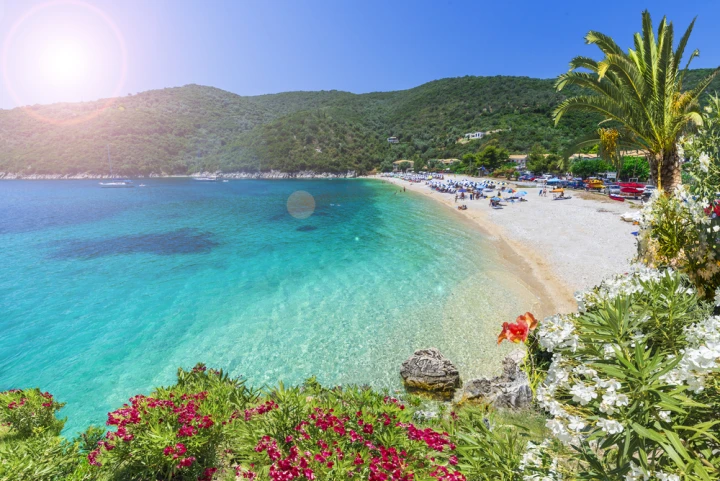
For international property buyers and future permanent residents, Lefkada can be a very smart option.
Regional Guides
18.12.2025
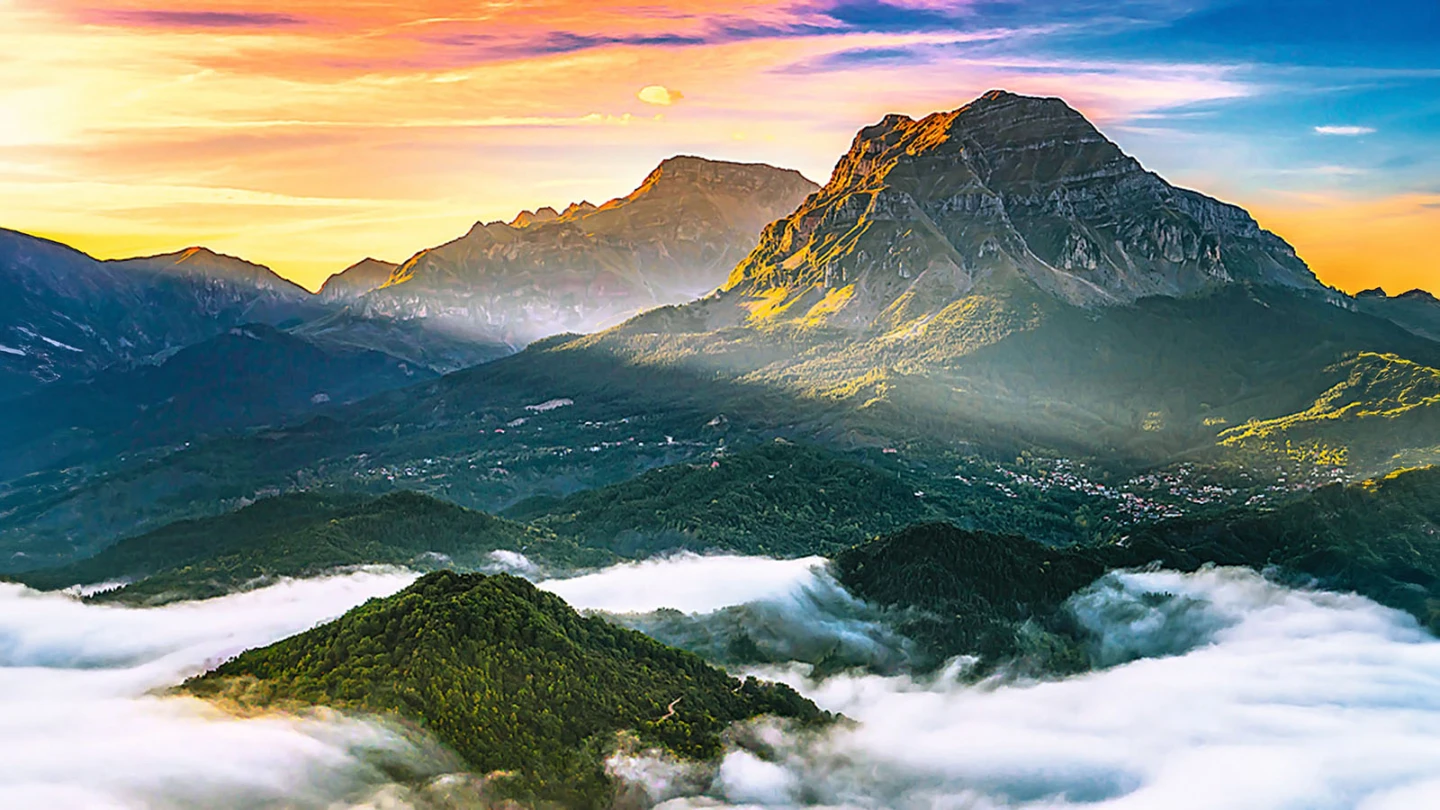
During International Mountain Day, on December 11, 2025, Greece announced a significant expansion of its “Untrodden Mountains” (Apatita Vouna) program. The initiative, led by the Ministry of Environment and Energy, strengthens environmental protection across some of the country’s most pristine mountain landscapes, while promoting a more sustainable development and tourism model. This latest decision reflects Greece’s growing focus on balancing environmental conservation with responsible growth.
The “Untrodden Mountains” program establishes Roadless Areas (PAΔ – Perioches Anefs Dromon), zones of land that remain largely untouched by infrastructure and modern development. To qualify, these areas must: - Cover more than 1 square kilometre - Be located at least 1 kilometre away from the nearest road. Within these zones, strict restrictions apply. New infrastructure is prohibited, including roads, wind turbines, and large-scale construction projects. The goal is to prevent land fragmentation, preserve biodiversity, and protect ecosystems that are increasingly rare across Europe. To date, 11 ministerial decisions have been issued under this framework, some of which are now integrated into Special Environmental Studies.
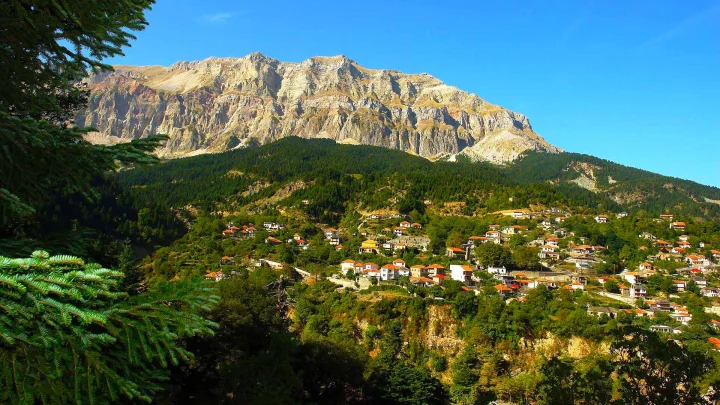
The latest ministerial decision expands the program both geographically and strategically. With this decision, two new mountain areas have officially entered the program: Stroggoula Peak, in the Athamanika Mountains (Epirus), and Mount Parnonas, one of the Peloponnese’s most important mountain ranges. At the same time, existing protection measures were extended for three major peaks: Smolikas, Tymfi, within the Northern Pindos National Park, and Chatzis, in Thessaly. Together, these decisions expand Greece’s national network of strictly protected, roadless mountain areas.
According to the Ministry of Environment and Energy, the main threat facing mountain ecosystems today is land-use change, which leads to biodiversity loss and forest degradation.
By prohibiting new roads and large infrastructure, the Untrodden Mountains program prevents ecosystem fragmentation, protects native flora and wildlife, preserves natural water sources, and enhances climate resilience in mountainous regions. The initiative aligns with European and global environmental priorities, especially at a time when climate change and deforestation place increasing pressure on natural landscapes.
While development is restricted, access is not eliminated. These protected areas are ideal for low-impact activities, such as hiking and mountaineering, nature photography, wildlife observation, eco-tourism, and outdoor recreation. This approach supports a form of tourism that avoids overcrowding and benefits local mountain communities, whose economies increasingly rely on nature-based experiences rather than mass tourism. For many regions, this shift enhances long-term appeal without sacrificing environmental integrity. Sustainability is becoming central to spatial planning in Greece. While existing properties are generally unaffected, anyone considering land purchases or development in mountainous areas should work closely with licensed engineers and legal advisors to understand zoning and environmental constraints.
As stated by Environment and Energy Minister Stavros Papastavrou, the goal is to keep Greece’s mountains “alive, protected, and sustainable”, ensuring that development respects nature rather than replaces it. By expanding the Untrodden Mountains program, Greece reinforces its position as a country investing not only in tourism and real estate, but also in long-term environmental value; a factor increasingly important to homeowners, investors, and communities alike.
23.10.2026
For international property buyers and future permanent residents, Lefkada can be a very smart option.
22.09.2026
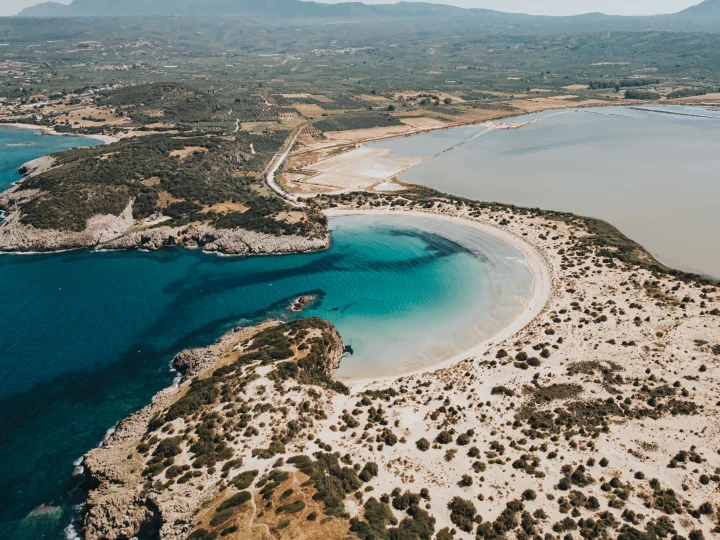
The Peloponnese gets far less international attention than Santorini or Mykonos, and for buyers, that is part of the appeal. The peninsula has a long and varied coastline, mountain villages that stay lived-in through winter, and some of the country's best-known ancient sites, Mycenae, Olympia, and Epidaurus among them. Prices here have stayed closer to reality than on the popular islands, mostly because foreign demand arrived later. If you are willing to look past the obvious destinations, the Peloponnese gives you more for your money and a region that does not shut down in October.
29.07.2026
One of Greece's unparalleled advantages is the bounty of islands it offers, with countless places to explore, all set against the backdrop of the endless blue sea. However, figuring out where each of these islands is located can be tricky. The purpose of this guide, therefore, is to provide a simple and easy-to-understand overview of Greece's island groups.
04.06.2026
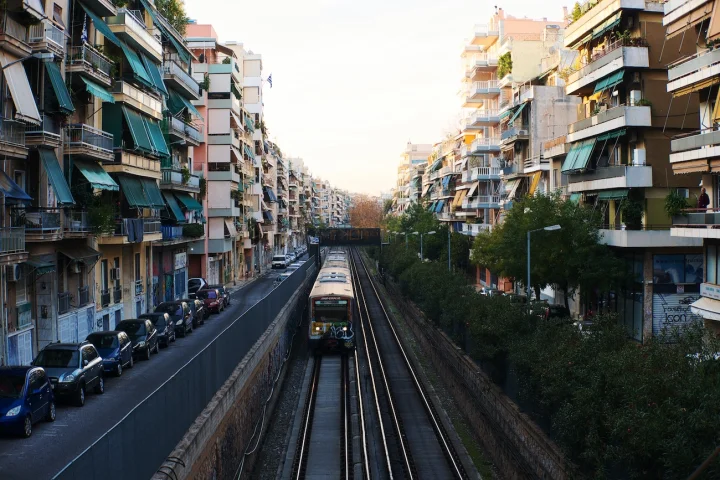
It's a sensible thing to check before you start house-hunting, and the answer is a qualified yes. There is a train, but it only reaches the northern edge of the Peloponnese. Athens connects by rail to Kiato, and on towards Aigio, with a bus completing the run to Patras while the line is being finished. Beyond that, the peninsula has very little passenger rail, so the popular spots like Nafplio, Kalamata, and the Mani are reached by road. For most buyers, that makes the bus or the car the practical choice. Here's the full picture, and what it means if you're thinking of a home here.
24.05.2026
Crete is referred to with the nickname “island of the gods.” The famous Greek island is known for its history, its welcoming people, its picturesque landscapes, and its high quality of life. It seems like everyone is always in a good mood, even when there is a disagreement. What's not to like? In this article, we break down why Crete is the ideal place to buy a second home.
22.05.2026
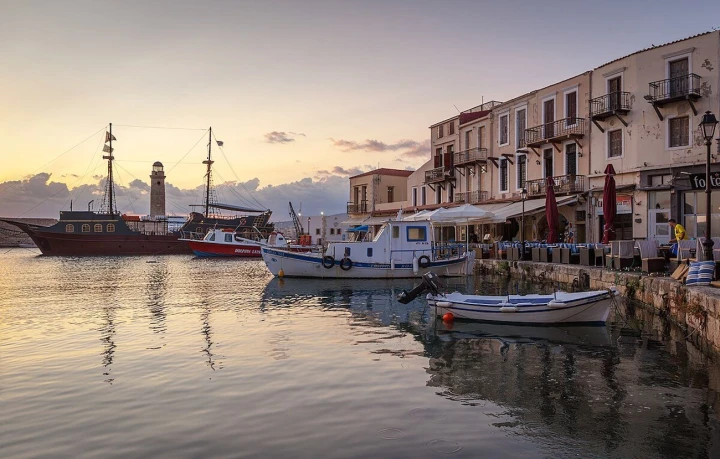
If you're weighing up where to buy in Crete, Rethymno makes a strong case, and for many international buyers the answer is a clear yes. Sitting between Chania and Heraklion, it offers easy access to two major cities while keeping its own relaxed rhythm, historic charm, and a close connection to the sea. From restored village homes to modern villas near the coast, it draws buyers who want more than a summer base: a balanced life with beaches, mountain villages, restaurants, shops, and year-round services all within reach. It's often seen as Crete's smart middle ground, less busy than Chania, more intimate than Heraklion, and still well connected. Here's why it appeals, what makes it stand out, and who it suits best.
18.05.2026
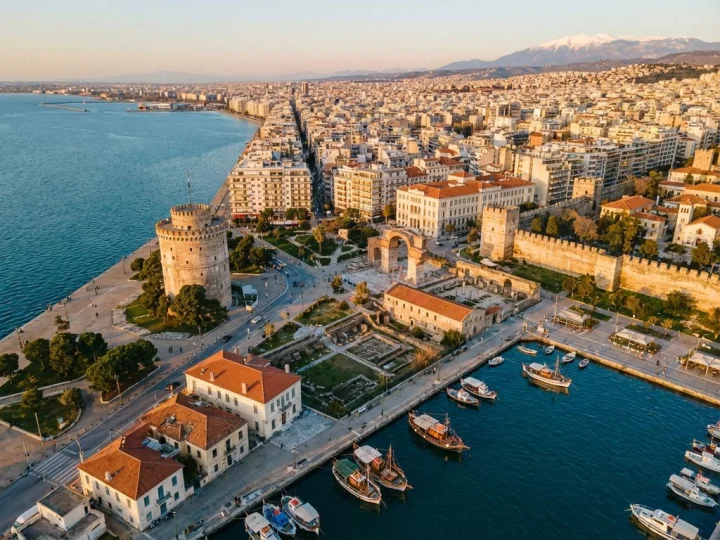
Yes, and a growing number of international professionals are proving it: they are choosing Thessaloniki as their European base, drawn by its rare combination of cultural richness, affordability, and Mediterranean lifestyle. As Greece's second-largest city, Thessaloniki offers significantly lower living costs compared to many major European cities, while still providing a high quality of life, strong urban character, and easy access to the sea.
14.05.2026
Lefkada is connected to mainland Greece by a floating bridge near Lefkada Town, at the narrow Lefkada Canal. This road connection is one of the island’s most practical advantages, as visitors and property owners can reach Lefkada by car without taking a ferry. The bridge opens at scheduled times to allow boats to pass through the canal. For drivers, this can occasionally mean a short wait, especially during the summer season, so it is wise to allow a little extra time when arriving on or leaving the island. This connection makes Lefkada different from many other Greek island destinations. While islands such as Mykonos, Santorini, Corfu, and Crete require either a ferry or a flight, Lefkada can be reached directly by road from mainland Greece.