It's one of the most common questions from buyers comparing the mainland with the islands, and the answer is a fairly clear yes: the Peloponnese is generally cheaper. The reasons are mostly practical. It's on the mainland, reached by road rather than ferry, less swamped by summer tourism, and there's simply more land to go around than on a small island. Together, that keeps prices below the well-known islands, often by a wide margin, while still offering plenty of coast, history, and character. Here's how the two compare, and where the value lies.
Why the Peloponnese More Affordable
A few things keep Peloponnese prices lower than the islands. There's far more land. A large peninsula has room to build, while a small island has finite, often mountainous space, which creates scarcity and pushes prices up. There's less international pressure. Islands like Santorini and Mykonos draw intense demand for a prestige address. The Peloponnese attracts buyers who care more about value and authenticity, which keeps pricing grounded. And the mainland is simply cheaper to build on and run. Materials and tradespeople arrive by road, not by ferry, so construction and maintenance cost less. Utilities and services are easier to connect too.
Where the Value Lies
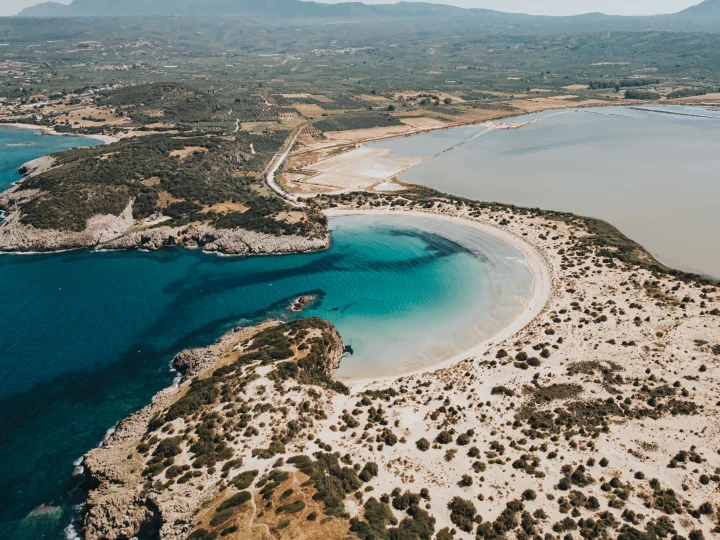
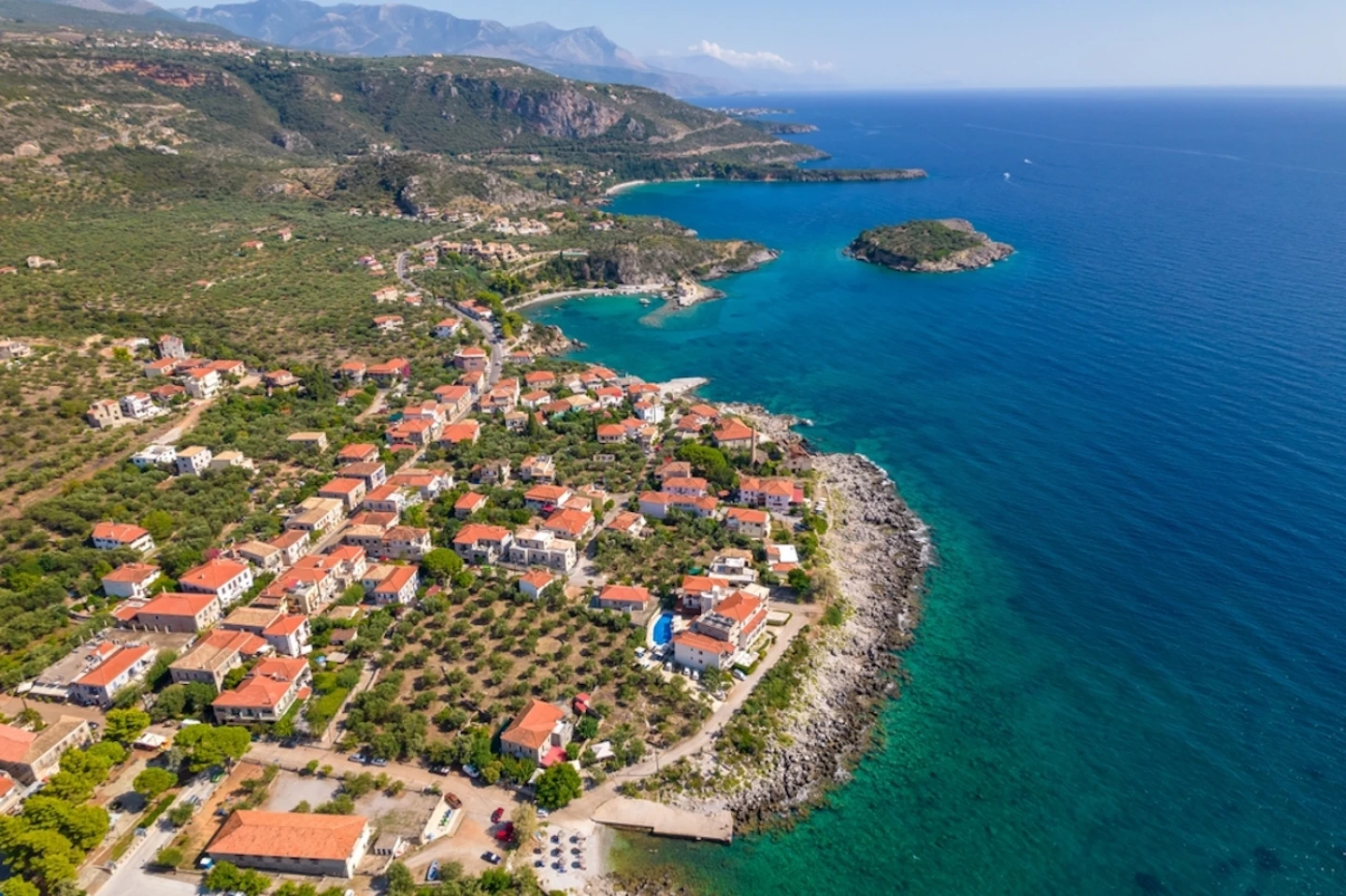
Some parts of the Peloponnese stand out for value. The western coast, around Pylos and the Messenian shore, offers beaches and traditional villages at prices that would be impossible on a sought-after island. The Mani, in the south, pairs dramatic landscapes with its distinctive stone tower houses and quiet coastline, full of character at competitive prices. Around Nafplio and the eastern coast, you get easy access to Athens with more affordable entry points than the islands. And Monemvasia, the medieval town in the southeast, delivers the romance many associate with the islands, at mainland prices.
The Costs of Owning
The annual ENFIA tax is based on a property's official value and location, and it's generally lower in the Peloponnese than in prime island spots. There are no ferry costs for you, your guests, or your tradespeople. And inland homes, away from constant sea air, often need less frequent exterior upkeep.
Rental Prospects
The two regions earn their income in different ways. Islands command high daily rates in peak summer, but the season is short and winters can be quiet. The Peloponnese tends to draw a broader mix, including cultural visitors, walkers, and Athenians on a weekend break, which can spread demand across more of the year. Because entry prices are lower, the return relative to what you paid can compare well, even if the headline nightly rate is more modest. As always, treat any rental figure as an estimate rather than a promise; it varies a great deal by location and property.
Why Elxis?
We work across both the islands and the mainland, and we've guided international buyers in Greece for 35 years. With Elxis, you get:
An in-house team of 10 lawyers, not outsourced work
Full due diligence on every property: titles, the National Cadastre, tax, and any outstanding obligations
Contract drafting and management of the whole transaction
Everything explained in your own language: English, Dutch, German, French, or Greek
A trusted network across Greece: notaries, surveyors, viewing teams, and technical specialists
Conclusion
Yes, the Peloponnese is generally cheaper than the Greek islands, mainly because it's on the mainland, easier to reach, and far less tourist-saturated. You give up island prestige in exchange for value, lower running costs, and a region rich in coast and history. For many buyers, that's a trade well worth making.
Disclaimer: This content is for informational purposes only and does not constitute legal or tax advice. For any issues relating to specific cases, we recommend consulting a lawyer, an accountant, or a notary depending on your needs.