What Kind of Nightlife Does Chania Actually Have?
The scene is social rather than wild. Evenings revolve around long dinners, drinks by the water and conversation, with music as the backdrop rather than the main event. The setting does much of the work: many bars occupy restored Venetian and Ottoman buildings, with stone walls, courtyards and terraces that no purpose-built venue can imitate. There is a genuinely local layer to it as well. In the tavernas and music venues where Cretans go, the soundtrack is the island's own: the Cretan lyra and laouto, the instruments of Crete's musical tradition, often played live on weekend evenings. Hearing lyra in a packed kafeneio is a more authentically Cretan night out than any cocktail list, and it is open to anyone willing to stay past midnight. The modern end of the spectrum is well covered too. Cocktail bars work with local ingredients such as Cretan herbs and honey, there is a respectable craft beer scene, and a handful of venues host jazz and contemporary Greek acts through the year.
Where Do the Evenings Happen?
Three areas, each with its own character.
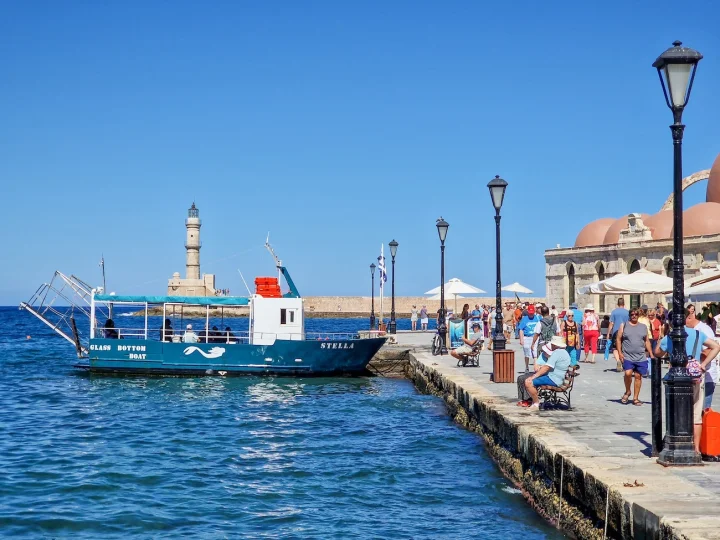
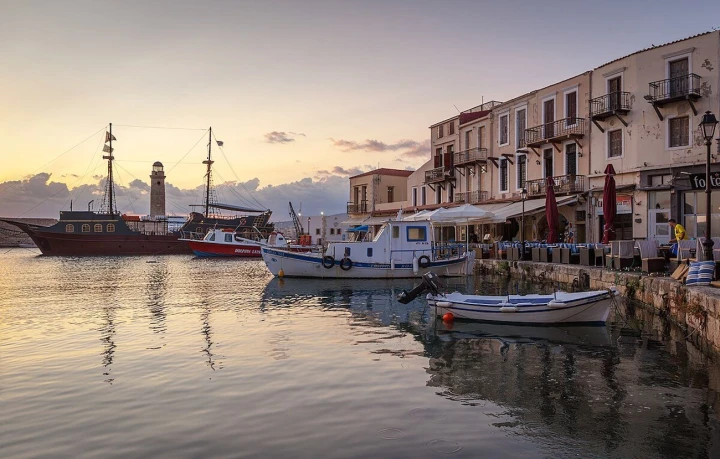
The Venetian Harbour is the postcard. The waterfront from the lighthouse around to the Neoria, the old Venetian shipyards, lines up bars and restaurants with the best sunset seats in the city. It is the most touristic of the three areas in summer, and even so the setting earns it: drinks beside sixteenth-century harbour walls are hard to argue with. Kalergon street, just behind the Neoria, hides a quieter row of bars away from the front-line crowds.
Splantzia and the old town alleys are where locals concentrate. The pedestrianised Daliani street and the lanes around Splantzia square hold the densest stretch of bars in the city, from alternative haunts with live concerts to relaxed all-day cafe bars. Deeper into the old town, Kondylaki street is home to one of Chania's most famous venues, an open-air bar set in the ruins of the old synagogue, and the streets around Angelou and Sifaka offer everything from jazz to Cretan beer in the shade of the Byzantine wall.
Koum Kapi, the seafront just east of the old town, is the year-round local promenade: a line of cafe bars facing the water that fills with Chaniots in the evening, in February as much as August. For anyone considering living in Chania rather than just visiting, Koum Kapi is the best indication of what off-season evenings feel like.
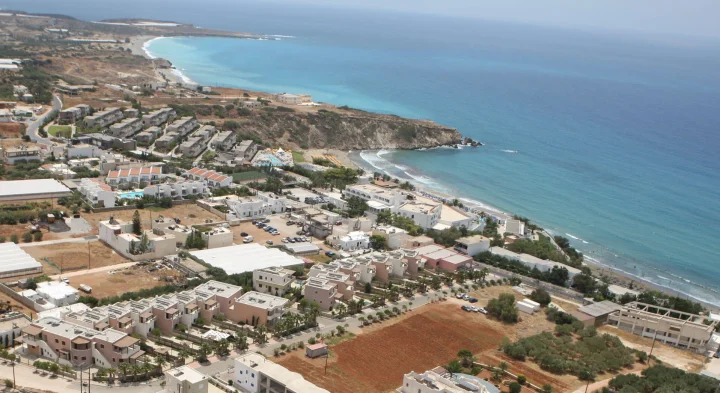
Larger clubs and resort-style nightlife sit outside the city, mainly in Platanias and Agia Marina along the coast to the west. These cater to the summer holiday crowd with bigger spaces and later hours, and they quieten considerably outside the season.