About Polyergo
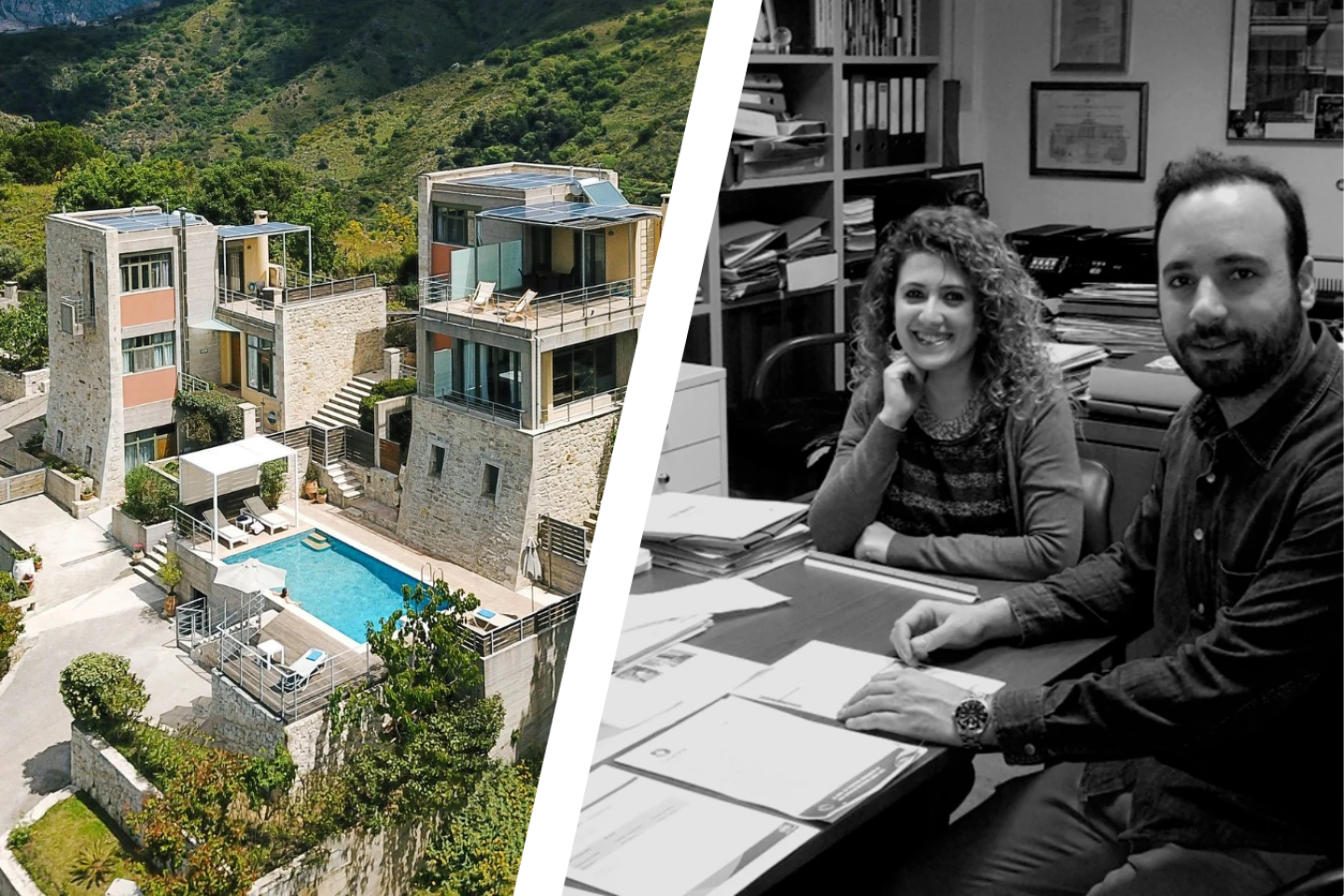
Polyergo started in 1978 when Stavros Polychronakis founded a design and construction practice. Since then, the business has expanded to take on a large number of private & public projects.They now have offices in Rethymno and in Athens, but a majority of their works are on the island of Crete.
Polyergo for Young Entrepreneurs
Polyergo is uniquely part of the programme Erasmus for Young Entrepreneurs, where young and ambitious entrepreneurs speak about their experiences and gain working experience. Polyergo since 2012 has hosted more than 15 young architects, engineers, designers, photographers and economists.
Αbout the Team
Stavros Polychronakis
Stavros is the team’s founder. Passionate about Arts and Architecture, he has over 40 years of working experience in many construction projects from infrastructure (roads, schools, town halls, squares) to housing (block of flats, villas) and tourism developments. He is onvolved in all project stages as due diligence, design, site management, and maintenance.
Yiannis Polychronakis
UCL studied in Patros and is managing the Design and Contacting business of Polyergo, as well as the hotel branch of the company. He also focuses on private foreign investments on the island and is a member on the board of the hoteliers Union in Rethymno.
Chiara Armando
Originally from Italy, she started working with Polyergo thanks to an Erasmus for Young Entrepreneurs experience at the end of 2016 – where she mainly dealt in tourism planning. Research, precision and empathy are her strengths. Chiara designs tailor-made projects that reflect the identity of the place and the client’s uniqueness, experimenting with different styles and materials constantly.
Interview with the Polyergo Team
What are the Differences Between Building in Italy vs. Greece?
Chiara has years of experience in both Italy and Greece, so she is well-acquainted with both styles. She shares that “In Greece, there are more rules and restriction from the topographical point of view and less for the style of building itself.”“So, you might see very different styles of construction, one next to the other. While, in Italy, regulations mean that buildings must be stylistically consistent with the context.”“In Greece, there is still a focus on handicrafts – small family businesses which focus on just one style or material, like wood or iron. In Italy, this is a lot rarer to find, because it is a lot more expensive to design like this.”
What are Your Expectations for the Future of Design in Greece?
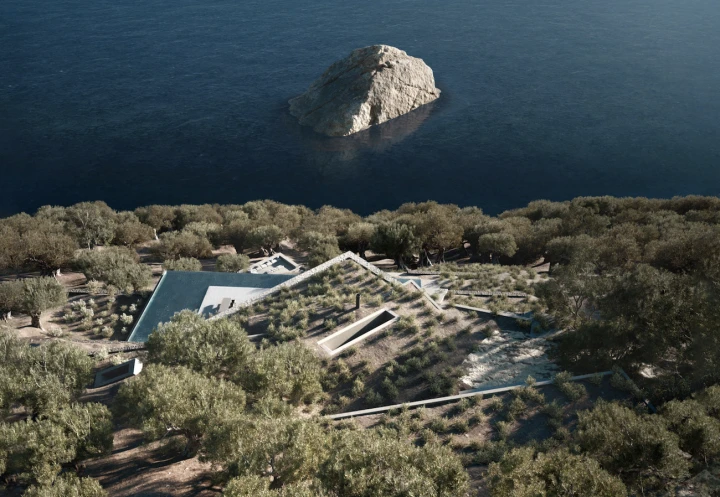
Chiara notes that “the biggest value in Greece comes from the landscape. The sea, of course, will always be there, but we need to continue preserving Greece’s land with sustainable building practices.”“The goal is not just to plant villas in endless rows, but to have a plan for how we construct. We must start with the global view – the impact of our project on the surrounding environment. Only then can we think about the specifics of the project on its own.”