26.02.2026
Greece Achieves Record Tourism Numbers in 2025
Blog16.10.2025
Deciding whether to renovate before selling or put your property on the market as-is is one of the most practical questions sellers face. There is no universal answer, the right choice depends on your property's condition, location, budget, timeline, and the type of buyer you are trying to attract. This guide walks through the key considerations so you can make an informed decision.
The starting point is an honest assessment of what your property actually needs. A property requiring only cosmetic updates, fresh paint, minor repairs, tidying of outdoor spaces, is a very different proposition from one with structural issues, outdated systems, or significant permit complications.
Location also shapes the calculation. Coastal properties in sought-after areas like Crete, Corfu, or the Peloponnese typically attract international buyers who prefer move-in ready homes. In these markets, a well-presented property can command a meaningfully higher price. In less prominent locations, expensive renovations may not translate into equivalent value gains.
International holiday home buyers generally prefer properties that require minimal work on purchase. According to an Elxis survey of over 600 home seekers, terraces are the most important feature (54% rated them "very important"), followed by sea views (47%) and swimming pools. These are the kinds of features worth prioritising if you do decide to renovate, not structural overhauls, but improvements that directly enhance lifestyle appeal.
If you are managing the sale from abroad, coordinating renovations adds significant complexity. Greek building regulations require licensed professionals for most substantial work, and navigating permits remotely adds time and cost. For many foreign owners, the practical difficulties of managing a renovation from a distance outweigh the potential financial upside.
Renovation costs in Greece vary considerably depending on the scope of work, the property's location, its age, and the professionals involved. Labour rates are generally lower than in Northern European countries, but material costs are often comparable due to import expenses. On island locations, logistics add further cost, transporting materials and coordinating tradespeople to remote areas is more expensive than on the mainland, and this should be factored into any renovation budget.
Professional services, architects, engineers, and project managers. are a significant cost that foreign owners often underestimate. Greek law requires licensed professionals for most substantial renovations, and their fees vary based on project complexity and location.
Permit and compliance costs can also be substantial, particularly for older properties or those in archaeological zones. Environmental impact assessments, building permits, and utility connections all require separate fees and professional services.
Older Greek properties frequently reveal hidden issues once work begins, outdated electrical systems, plumbing problems, or structural concerns. Budget for contingencies.
The honest reality is that buyers are not reimbursing a history of expenses. They are evaluating what the property is worth now. Renovations do not automatically translate into equivalent market value, and the most successful sellers are those who understand the difference between personal investment and market value.

If you decide to renovate, focus on improvements that directly enhance the lifestyle appeal international buyers are looking for:
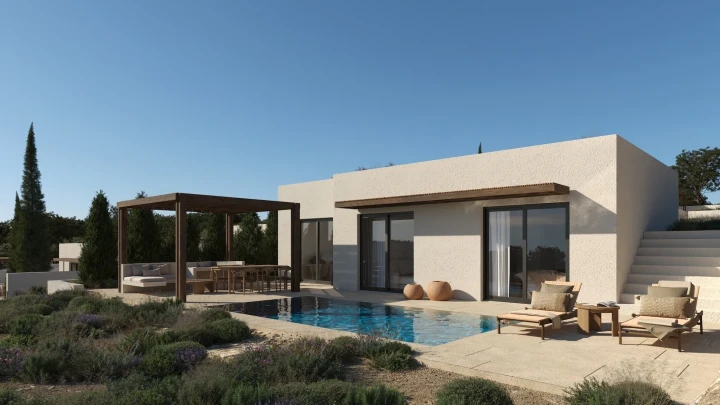
Outdoor spaces and terraces, consistently the most valued feature for buyers in Greece. Power-washing surfaces, repairing tiles, adding shade with pergolas or awnings, and creating defined outdoor dining areas all make a strong impression without requiring major investment.
Swimming pools, highly valued by international buyers and can meaningfully support rental income.
Kitchen and bathroom updates, cosmetic improvements like new hardware, updated fixtures, and fresh paint can transform spaces without structural work.
Fresh paint and general presentation, clean, neutral interiors that feel well-maintained reassure buyers and help them imagine themselves in the space.
Air conditioning, expected by most international buyers in most regions.
Avoid expensive structural overhauls unless they are strictly necessary. The goal is not to create the most expensive property on the market, but to present a well-maintained home that allows buyers to envision their Greek lifestyle.
Whichever route you choose, your property's legal status needs to be in order before marketing begins. This means ensuring all building permits reflect the property's actual condition, resolving any unauthorised modifications or regularisation requirements, and having the Electronic Building Identity prepared.
Building irregularities should not be discovered halfway through a transaction. Early legal and technical review protects both the seller and the sale, and in many cases, resolving these issues before listing is not optional but a prerequisite for transfer.
If you are unsure about your property's legal status, the right first step is to engage a certified engineer to inspect the property and identify any discrepancies, followed by a lawyer to advise on what can be resolved and how.
Disclaimer: This content is for informational purposes only and does not constitute legal or tax advice. For matters specific to your situation, we recommend consulting a lawyer, accountant, or notary as appropriate.
26.02.2026
10.02.2026
Could you see yourself with a place of your own in Greece, close to the coast and the Mediterranean lifestyle? If this idea seems appealing to you, the Second Home Expo in Antwerp is the perfect place to begin your journey.
On 7 and 8 March 2026, Antwerp Expo will once again welcome thousands of visitors, international property professionals, and second-home specialists under one roof. The Elxis team will be attending the fair to support anyone interested in buying real estate in Greece. With more than 100 participations over the years, Elxis remains a trusted and familiar presence at this event, and we're happy to give you the opportunity to visit the Expo for free.
The Second Home Expo is one of Europe’s leading exhibitions for buyers looking to invest in a holiday home, rental property, or a lifestyle destination abroad. With a unique combination of inspiration, expert guidance, and a wide selection of international properties, the expo offers everything you need to take your first step with confidence.
23.07.2025
26.03.2025
05.06.2023
30.03.2023
25.03.2023
01.12.2022
.jpg)
.jpg)
Blog
Blog
Blog
Blog
Blog
Blog
Blog