Which Improvements Should You Avoid?
Major renovations. New kitchens, full bathroom overhauls and structural changes rarely come back to you in the sale price. Buyers of Greek holiday homes frequently plan to put their own stamp on the property anyway, and they would rather pay less and choose their own kitchen than pay more for yours.
Personal taste. Bold colour schemes, niche room conversions and distinctive design choices narrow your pool of buyers. Neutral sells, precisely because it lets each viewer imagine their own version of the house.
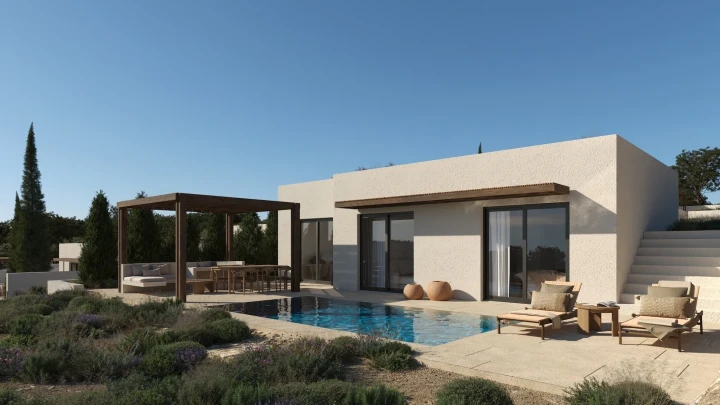
Installing a swimming pool. This needs nuance, because in the Greek holiday market a pool genuinely is one of the most valued features, both for buyers and for rental potential. The reason not to build one before selling is practical rather than financial: a pool requires permits and construction time, both of which are difficult to predict, and tying your sale to a building project is a risk that rarely pays. If the plot can accommodate a pool, say so in the listing and let it be the buyer's project. If the property already has one, make sure it is in visibly good order; a green pool in the photos costs more goodwill than almost any other single defect.
Improvements mismatched to the property. Spend in line with what your buyer expects for this type of home in this location. A simple village house does not need designer fittings, and money spent exceeding the category is money the sale price will not reflect.
And Sometimes: Improve Nothing
There is a respectable third option between renovating and refreshing, which is to sell the property as it stands, price it accordingly, and be straightforward in the listing about what needs doing. Some buyers are specifically looking for a project, and an honestly presented renovation opportunity at the right price can sell faster than a half-improved property at an ambitious one. Honest presentation is how Elxis describes every property in any case; a listing that says "the kitchen dates from the 1990s and is priced accordingly" builds more trust than one that hopes nobody notices.
DIY or professionals?
Anything touching electrics, plumbing, gas or structure belongs with licensed professionals, both for safety and because the paperwork of the sale may depend on proper certification. Painting, gardening, cleaning and decluttering are fair game for your own hands, if you are in the country and have the time. That last condition is the real constraint for many sellers. If you live abroad, coordinating even simple works remotely is harder than it sounds, and a half-finished DIY job visible in viewing photos costs more than a contractor would have. Be realistic about what you can supervise from a distance. One seasonal note: tradespeople in coastal Greece are busiest from late spring through summer, when tourism-related work peaks. Works planned for autumn and winter are generally easier to schedule, and they leave the property ready for the months when buyers research and travel.
Staging or Renovating?
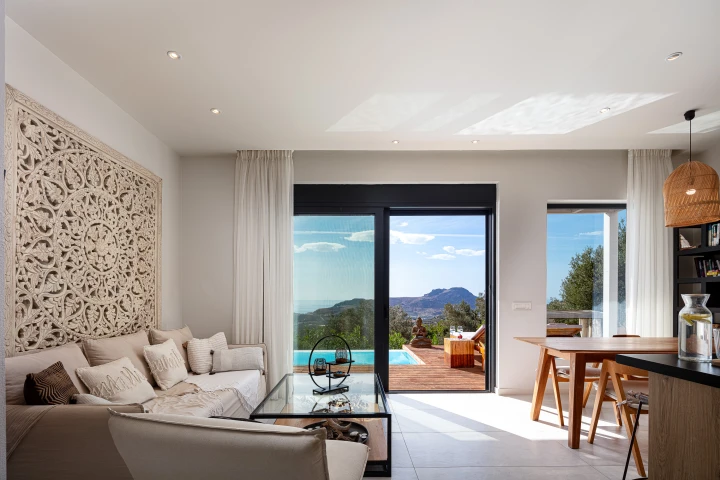
Staging means presenting the property at its best with furniture, light and styling; renovating means changing the property itself. For Greek holiday homes, which usually sell furnished or partly furnished, good staging consistently delivers more per euro than renovation. Buyers need to imagine summer mornings on the terrace, and a well-arranged, well-lit, uncluttered home does that work for them. Professional photography belongs in this category and is not optional. Your international buyer will decide whether to fly to Greece based on the photographs and video, so they are not a finishing touch; they are the sale's first viewing.
How Long Before Listing Should You Start?
Start with the document review three to six months ahead, longer if you already know of unpermitted modifications, since settling those depends on engineers and public authorities whose timelines are not yours to control. The physical works themselves usually need a few weeks once scheduled, but contractor availability and the document timeline are the variables that stretch. Aim to have everything, paperwork and presentation, finished before the photographs are taken rather than before the first viewing. The listing is your shop window, and it should show the property in its final state from day one.
Disclaimer: This content is for informational purposes only and does not constitute legal, tax or financial advice. Costs, timelines and document requirements vary by property and municipality. For any issues relating to specific cases, consult a lawyer, an accountant, a notary or a certified engineer depending on your needs.



 Purchase Tips


.jpg)