What is The Vagabond Journey?
Vagabond Journey travels the world directly, investigating the local effects of world events, shifts in culture, disappearing traditions, social upheavals big and small, as well as the more mundane intricacies that hold it all together. Read more on Vagabond Journey's website.
Who is Wade?
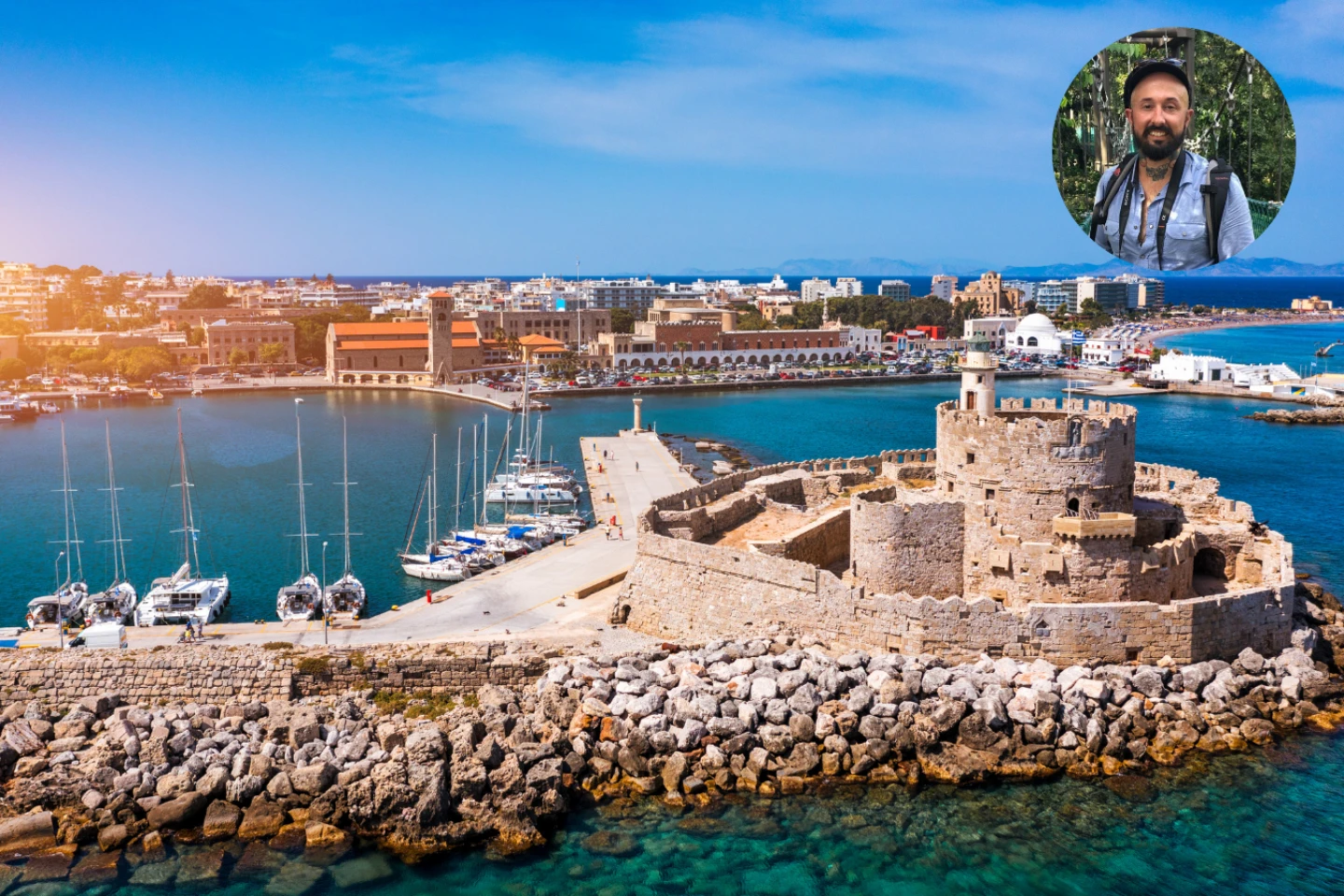
What would become Vagabond Journey was founded in 2004 by Wade Shepard, who has been living and traveling around the world since 1999. Read here about the countries and territories Wade has visited. He is the author of Ghost Cities of China, a book about China’s urbanization drive, and writes for Forbes Magazine. He decided to visit Rhodes at the recommendation of a pizza shop employee.
About Rhodes
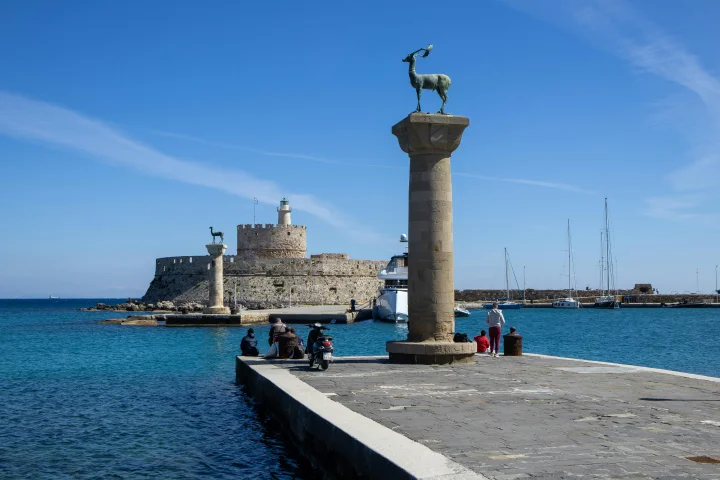
Rhodes Island, known for its medieval architecture and castles, is the 4th largest island of Greece and the largest of the Dodecanese Islands, located in the Aegean Sea. Rhodes has been inhabited since the Neolithic period (4000 B.C) and due to its size and location, it has been famous throughout history. Today, Rhodes Island is one of the top vacation destinations in Europe due to its uniqueness! Rhodes offers something for every taste; the cosmopolitan and traditional are blended into what locals call “life on Rhodes”. Whether it’s fine dining or going to a taverna; the taste of Rhodes is outstanding! Among other activities, some of the most popular are sailing, boat renting, scuba diving, exploring the ancient ruins, going for a 4×4 adventure, clubbing, and shopping.
Rhodes Old Town
Rhodes Old Town is a UNESCO World Heritage Site and one of the best-preserved medieval towns in Europe, attracting millions of visitors every year. Stone-paved alleys and elegant mansions create a sense of having gone back in time, while the renowned Street of the Knights has been restored to the exact shape and size it had in the Middle Ages.
Rhodes Countryside
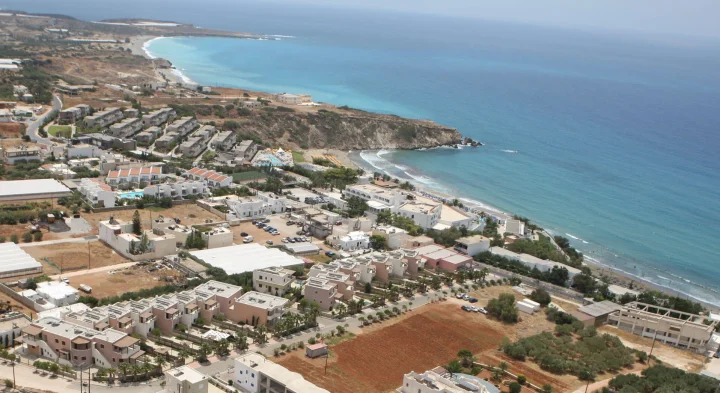
Outside the city of Rhodes, the island is dotted with small villages full of white-washed homes and resorts, among them Faliraki, Lindos, Kremasti, Haraki, Pefkos and Afantou. Outside of the urban centers, the living remains authentic for those wanting to take in the Greek traditions and lifestyle. This is most evident in the delicious Greek food which is made from local produce and often relies on recipes passed down from generation to generation. The interior of the island is mountainous, sparsely inhabited and covered with pine and cypress trees. While the shores are rocky, the island has arable strips of land where citrus fruit, grapes, vegetables, olives and other crops are grown. Rhodes is also home to a large number of flowering plants.
Lindos
The village of Lindos is known for its so-called “captain’s houses”, which were homes of wealthy Lindian seafarers from the 16th and 17th centuries. They were often decorated with Gothic, Byzantine, or Arab architectural features, and had a special room called the “captain’s room”. The courtyards were often rich with flowers and special black and white pebble mosaics. They are called “chochlakia” and sometimes showed how many ships the captain owned.
Rhodes Beaches
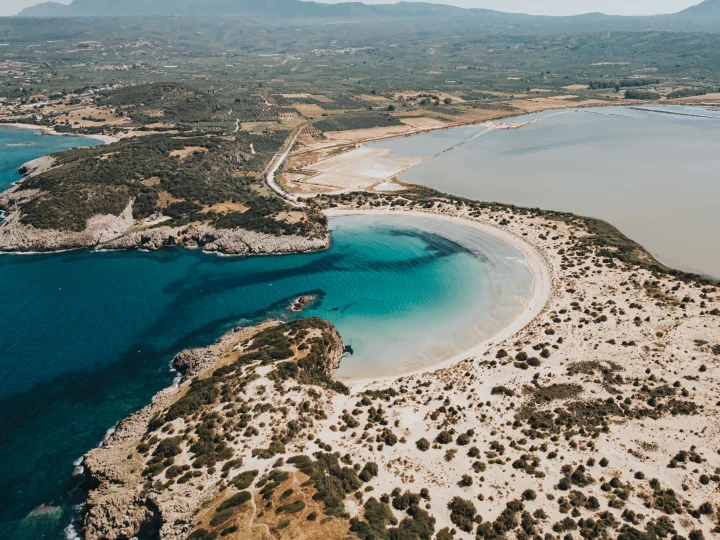
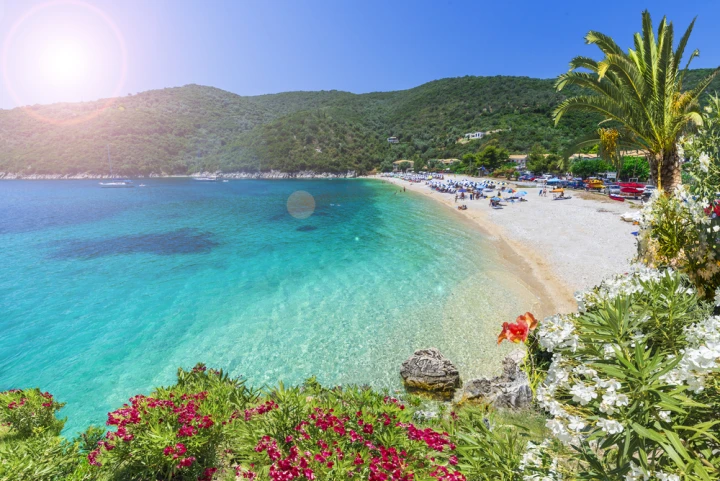
With over 40 world-class beaches on the island, swimmers are spoilt for choice. Spectacular beaches and sandy coves can be easily found at spots such as Tsambika, Saint Paul’s Bay, Ladiko and Kallithea. The southernmost point of Rhodes, such as Prassonisi, is ideal for windsurfing and kite surfing.
Rhodes Weather
When it comes to soaking in the sun, Rhodes is one of the hottest islands in Greece. The island typically has a Mediterranean climate, featuring warm to hot summers and mild, tolerable, and mildly frosty winters. Rainfall in Rhodes is moderate and occurs mostly during the winters, rarely in summer when days providing 12 hours of sunshine are common. The sea is warm enough for swimming from May to October, reaching 26 °C in August.