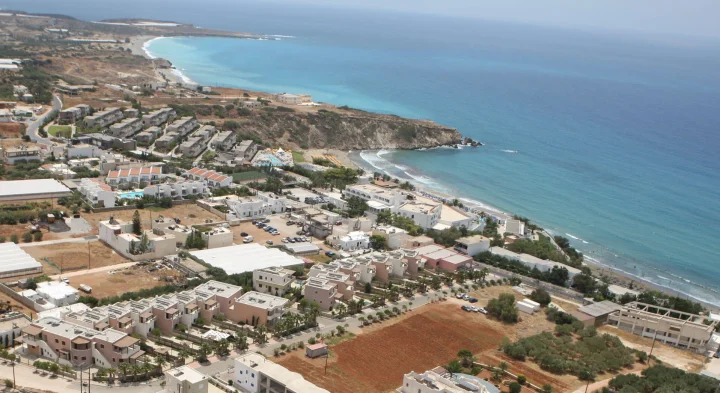
What makes the Peloponnese attractive for property buyers?
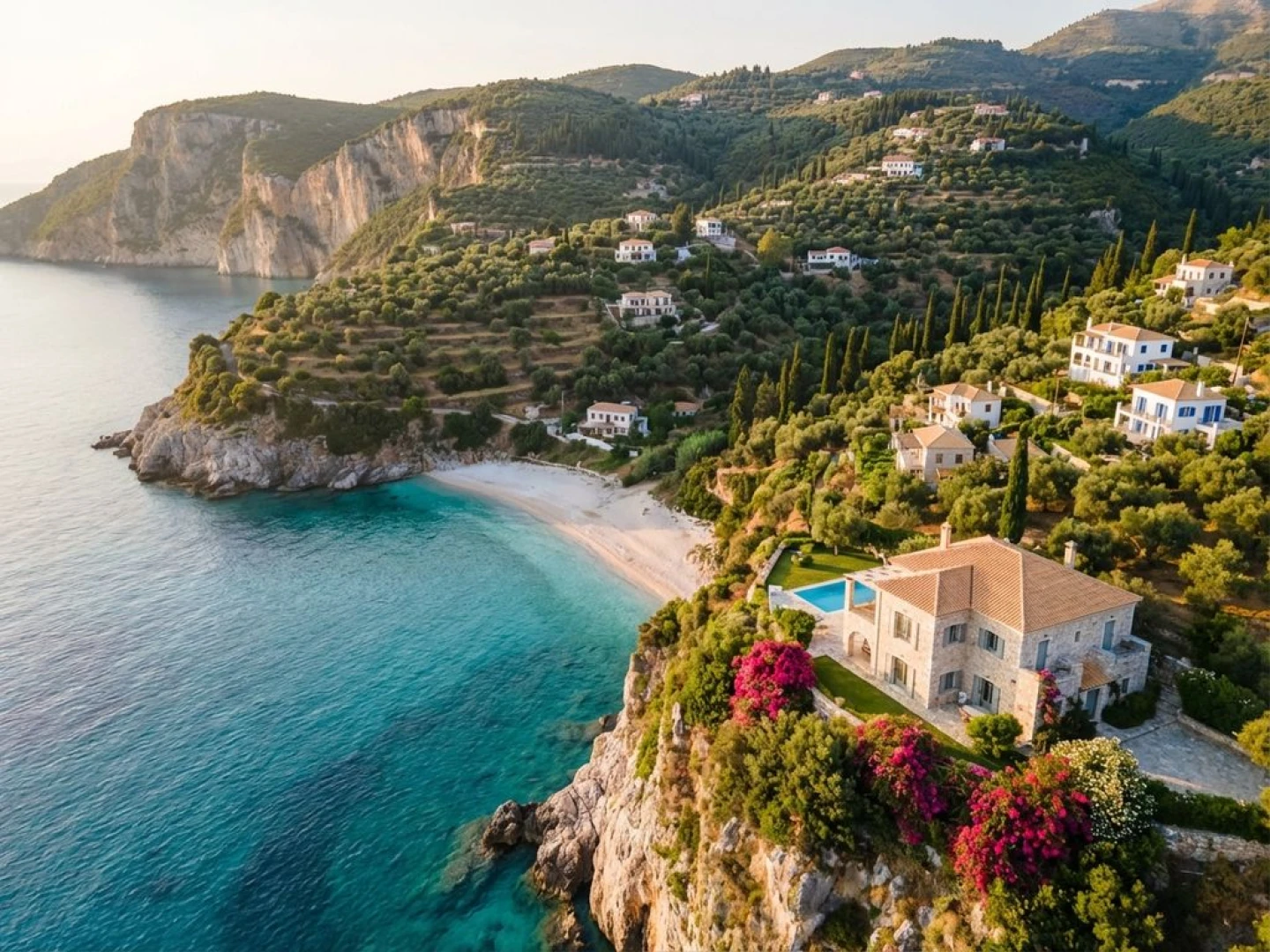
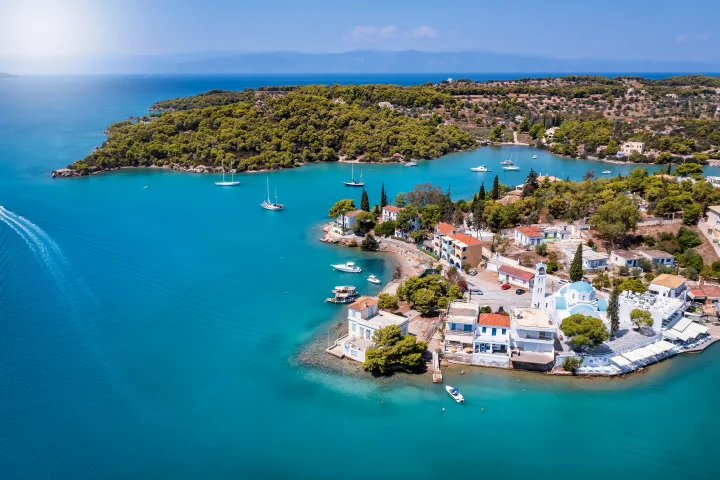
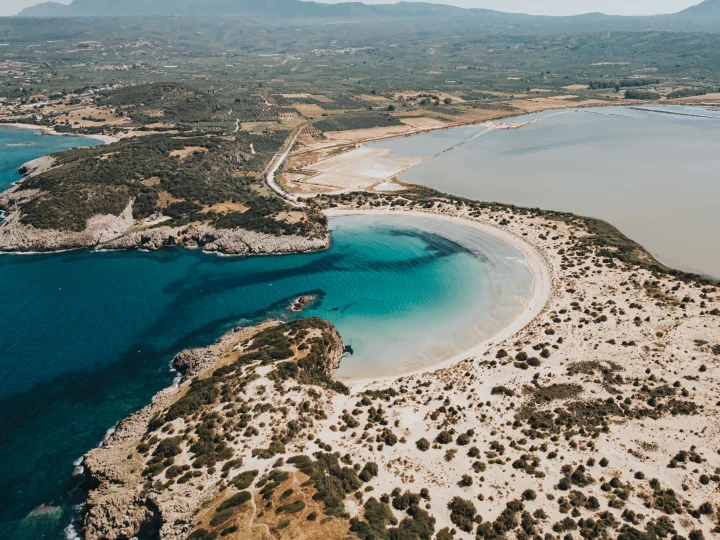
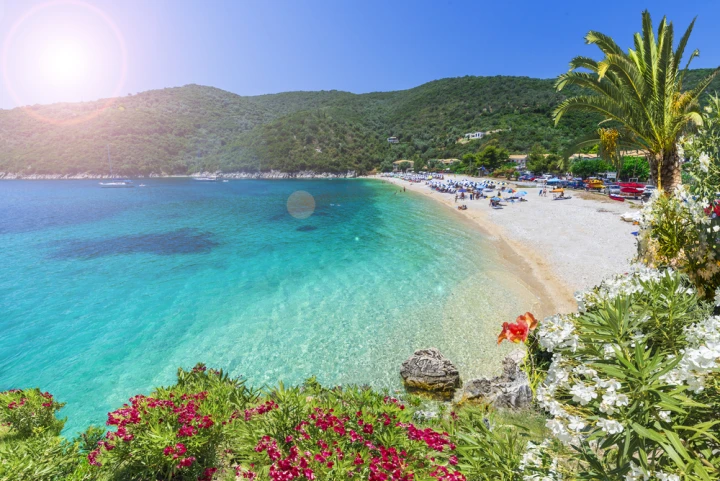
The Peloponnese sits at the crossroads of natural beauty and historical significance. Its coastlines stretch along both the Ionian and Aegean seas, offering everything from sheltered sandy beaches to dramatic rocky capes. Inland, olive-covered hills give way to mountain villages and some of Greece's most important archaeological sites, Ancient Olympia, Mycenae, and Epidaurus among them.
What sets the region apart from purely seasonal destinations is its year-round liveability. The Peloponnese has a functioning local economy, established communities, good healthcare, and a cultural life that does not switch off in October. For buyers considering longer stays or permanent relocation, this matters.
Tourism is growing steadily. According to data from the Region of Peloponnese and the Bank of Greece, overnight stays rose by 21.3%, visitor arrivals increased by 27.8%, and travel receipts jumped by 43% in recent periods, reaching €158.6 million. Kalamata International Airport welcomed 169,730 international passengers in 2025, a 25.6% increase compared to 2023, with demand led by the UK, Germany, and the Netherlands. In 2026, the airport will connect to 22 international destinations through 31 direct routes, including new services from Jet2, Condor, and Wizz Air. Flights from Munich and Düsseldorf will extend into November, signalling a deliberate move toward a longer, more balanced season.
In 2026, Kalamata was named one of Europe's top city-break destinations by The Times, ranked 12th on their annual list. Messenia was also included in the New York Times' 52 places to go in 2026. This kind of international recognition has a direct effect on rental demand and property interest.