The Peloponnese offers excellent value for property buyers seeking authentic Greek living at competitive prices. This historic peninsula combines stunning coastlines, mountain villages, and archaeological treasures with a more affordable property market than Greece’s popular islands. Foreign buyers benefit from straightforward ownership laws, growing infrastructure development, and strong rental potential for holiday homes.
What makes the Peloponnese attractive for property buyers?
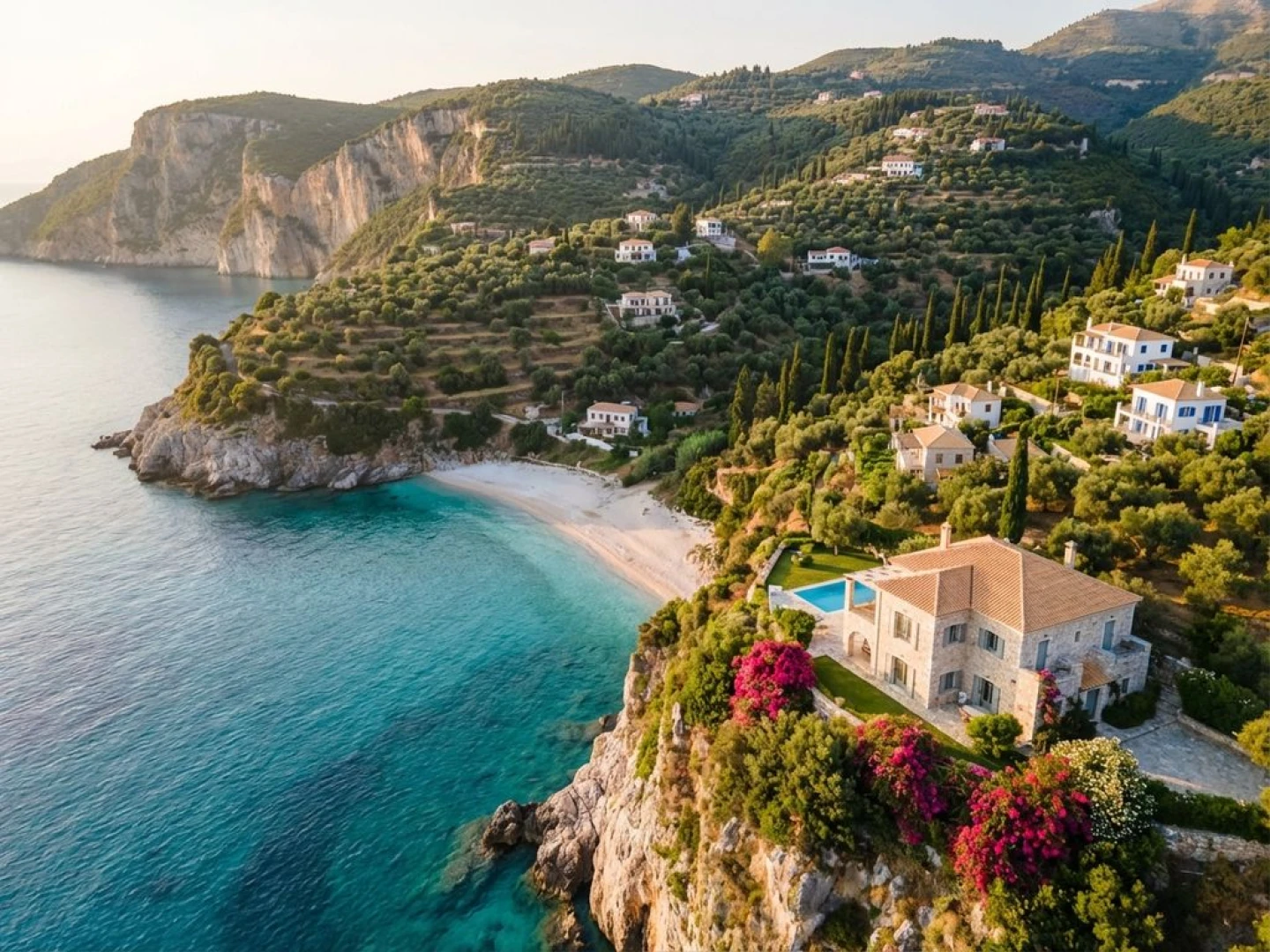
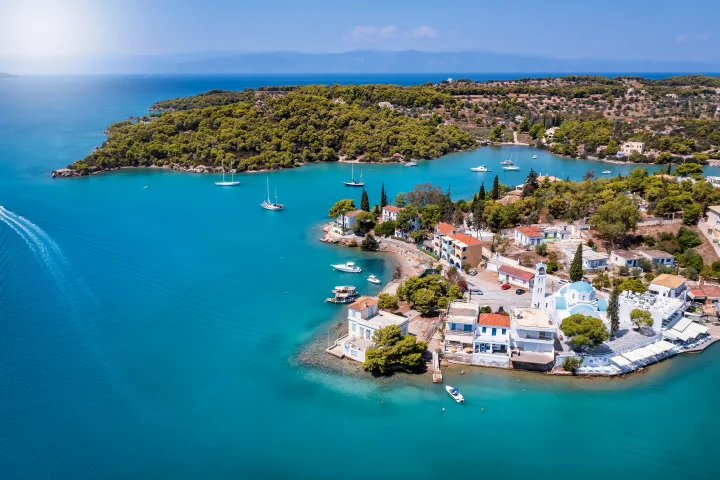
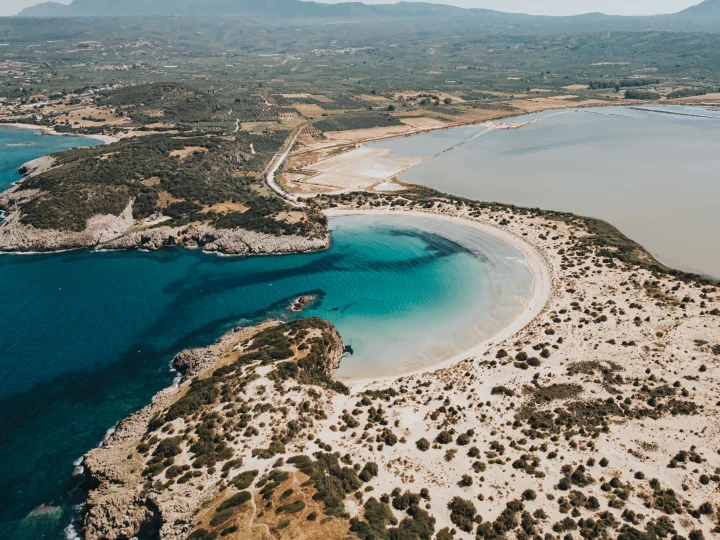
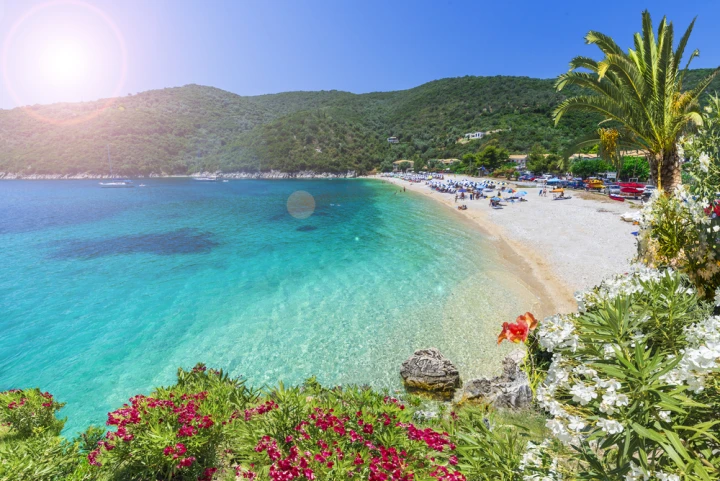
The Peloponnese attracts international property buyers through its unique combination of natural beauty, historical significance, and practical advantages. This southern Greek peninsula offers dramatic coastlines along both the Ionian and Aegean seas, creating diverse landscape options from pristine beaches to mountainous villages steeped in ancient history.
Archaeological sites including Ancient Olympia, Mycenae, and Epidaurus provide cultural richness that enhances property values and tourism appeal. The region’s accessibility has improved significantly, with modern motorways connecting major towns to Athens within a two- to three-hour drive. Kalamata International Airport serves the western Peloponnese with seasonal flights from major European cities.
The lifestyle benefits include authentic Greek culture away from overcrowded tourist destinations, excellent local cuisine featuring regional specialities, and outdoor activities ranging from hiking ancient paths to sailing crystal-clear waters. These factors create strong appeal for both permanent residents and holiday home investors seeking genuine Greek experiences.
How does the Peloponnese property market compare to other Greek regions?
Peloponnese property prices remain significantly lower than those on popular Greek islands while offering similar coastal lifestyle benefits. Property values typically run 30–50% lower than comparable properties on Crete, Mykonos, or Santorini, making the region attractive for budget-conscious buyers seeking Mediterranean living.
Market trends show steady growth in the Peloponnese, driven by improved infrastructure and growing international awareness. Unlike the volatile pricing on famous islands, the Peloponnese offers more stable property values with consistent rental demand from tourists seeking authentic experiences.
Investment potential appears stronger in the Peloponnese due to lower entry costs and room for appreciation. The region benefits from Greece’s Golden Visa programme, which requires a minimum €250,000 property investment outside Athens and Thessaloniki, making Peloponnese properties particularly attractive for residency seekers. Rental yields often exceed those on saturated islands where property costs have outpaced rental income growth.
What are the most popular areas to buy property in the Peloponnese?
Messinia province leads Peloponnese property demand, particularly around Kalamata and the Messenian Mani. This western region offers international airport access, excellent beaches, and established tourist infrastructure. Coastal towns like Stoupa and Kardamyli attract buyers seeking traditional stone houses with sea views.
Laconia, including the historic town of Gythio and the dramatic Mani Peninsula, appeals to buyers wanting authentic Greek architecture and stunning landscapes. Properties here range from traditional tower houses to modern villas, often with spectacular mountain or sea views. You can explore our comprehensive λίστα ιδιοτήτων to discover available options across these sought-after areas.
Mountain villages like Dimitsana and Stemnitsa attract buyers seeking cooler climates and traditional architecture. These areas offer stone houses with character, often requiring renovation but providing excellent value. The historic town of Nafplio draws buyers wanting cultural amenities and year-round livability, though prices reflect its popularity and proximity to Athens.
Coastal areas near Ancient Olympia combine historical significance with beach access, creating strong rental potential for holiday home investors.
What legal considerations should foreign buyers know about Peloponnese property?
Foreign property ownership in the Peloponnese follows standard Greek property law, with no special restrictions for EU citizens. Non-EU buyers face minimal limitations, primarily affecting border areas and military zones, which rarely impact typical residential purchases in the Peloponnese.
Essential legal requirements include obtaining a Greek tax number (AFM), conducting thorough title checks through the Greek National Cadastre, and ensuring proper due diligence on property boundaries and building permits. All transactions require notarial contracts in Greek, making qualified legal representation crucial for foreign buyers.
Documentation requirements include passport authentication through apostille certification, proof of funds for the purchase, and property survey confirmation. The transfer tax of 3.09% applies to all purchases, calculated on the higher of the purchase price or the government objective value.
We recommend engaging qualified legal professionals familiar with Greek property law to ensure secure transactions. Our βοήθεια για την αγορά ακινήτου service provides comprehensive support throughout the legal process. Proper legal support prevents common issues such as unclear boundaries, building permit problems, or inheritance complications that could affect property ownership.
How much does property typically cost in the Peloponnese?
Peloponnese property prices vary significantly by location, condition, and proximity to amenities. Coastal properties command premium prices compared to inland locations, while properties requiring renovation offer substantial savings for buyers willing to invest in improvements.
Factors affecting pricing include sea views, accessibility to beaches and airports, property condition and age, local infrastructure development, and proximity to popular tourist attractions. Beachfront locations and properties with an established rental history typically cost more than similar inland properties.
Buyers should budget for additional costs including the 3.09% transfer tax, legal fees, notary costs, and property surveys. Total acquisition costs typically range from 8% to 14% above the purchase price. Properties qualifying for first-time buyer exemptions under Greek law can reduce transfer tax obligations for eligible purchasers under age 35.
Market conditions currently favour buyers, with property owners often willing to negotiate on pricing and terms, particularly for cash purchases or quick completions.
What are the potential challenges of buying property in the Peloponnese?
Infrastructure limitations represent the primary challenge in some Peloponnese areas, particularly rural locations with limited utilities or seasonal water restrictions. Some mountain villages lack reliable internet connectivity, which may concern buyers planning remote work or with modern communication needs.
Seasonal accessibility affects certain coastal and mountain areas where winter weather can limit transportation options. Properties in remote locations may experience longer response times for maintenance services or emergency assistance during off-peak seasons.
Property condition issues commonly include older buildings requiring significant renovation, unclear building permits for extensions or modifications, and maintenance needs resulting from harsh coastal weather conditions. Many traditional properties lack modern amenities and require substantial investment to meet contemporary living standards.
Bureaucratic complexities in Greek property transactions can extend completion timelines, particularly when dealing with inheritance properties or unclear title histories. Language barriers may complicate direct communication with local authorities, utility companies, or service providers.
Despite these challenges, proper planning and professional guidance can address most obstacles effectively. Working with experienced local professionals familiar with Peloponnese property transactions helps navigate bureaucratic requirements and identify potential issues early in the purchase process. For comprehensive support with your Peloponnese property purchase, including legal guidance and market expertise, please επαφή our team.
Αποποίηση ευθυνών: Το παρόν περιεχόμενο προορίζεται μόνο για ενημερωτικούς σκοπούς και ΔΕΝ αποτελεί νομική ή φορολογική συμβουλή. Για οποιαδήποτε θέματα που αφορούν συγκεκριμένες περιπτώσεις, συνιστάται ιδιαίτερα να συμβουλευτείτε δικηγόρο, λογιστή ή συμβολαιογράφο, ανάλογα με τις ανάγκες σας.