What Are The Actual Risks, Honestly Ranked?
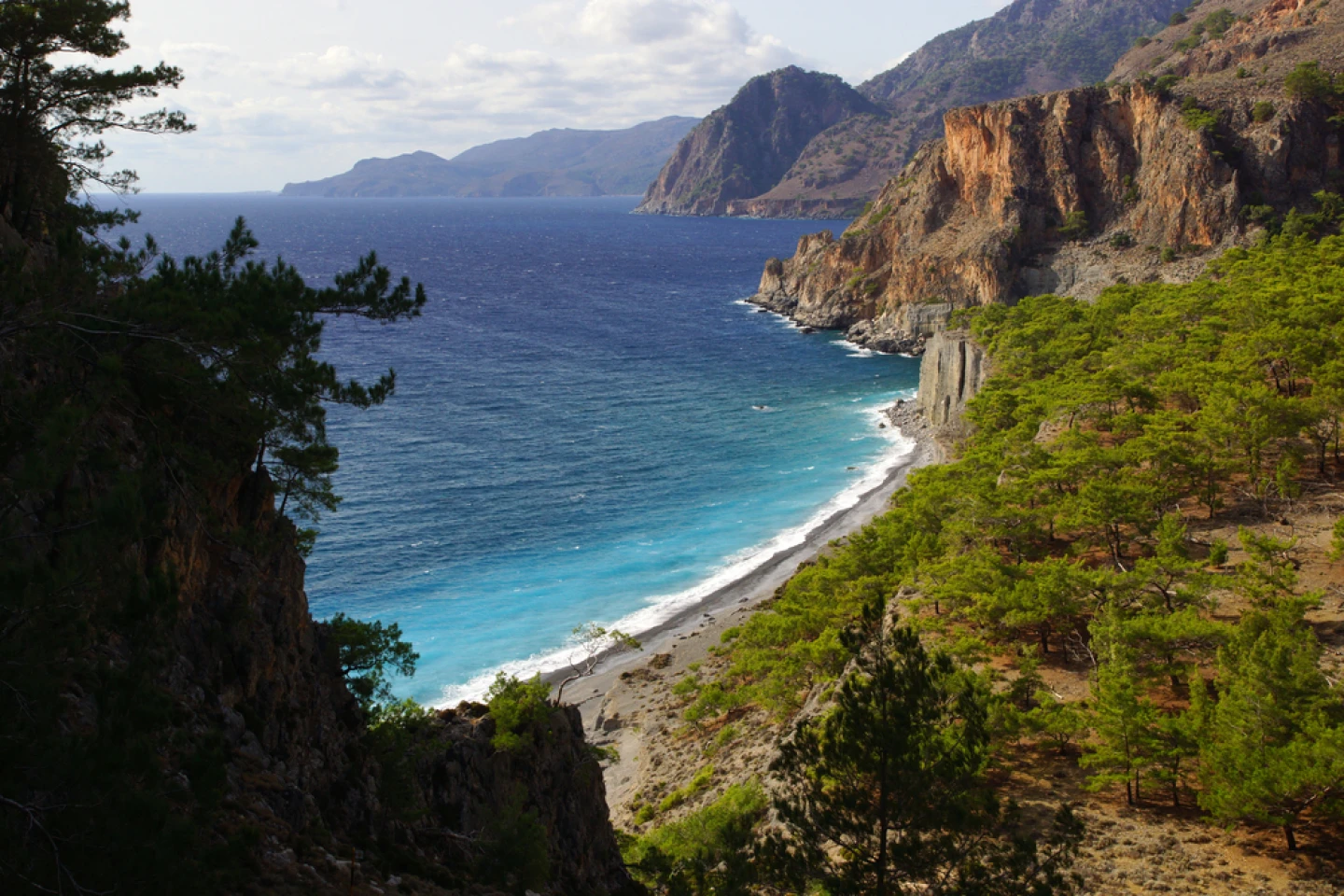
Driving comes first. Greece's road fatality rates remain among the higher in Western Europe, and Crete's contribution comes from mountain roads with sharp bends and sheer drops, scooters and quad bikes rented to inexperienced riders, and a local driving style that treats the hard shoulder as a slow lane. None of this is unmanageable: drive unhurried, skip the quad bike, avoid mountain routes in the dark or in rain, and check the rental car before leaving the lot. The main north coast highway has been improving in stages, but the village and gorge roads reward patience. The sea comes second. The south coast faces the open Libyan Sea, and beaches there can carry currents and waves that the sheltered northern bays do not. Lifeguards cover organised beaches in season; remote coves are unsupervised by definition. Respect the warning flags where they exist, and where they don't, watch what the locals do.
The sun comes third. July and August regularly push past 35 degrees, and heat exhaustion sends more visitors to Cretan health centres than crime ever has. Water, shade in the early afternoon and restraint on the first days do most of the work. Crime, by contrast, is largely a matter of beach bags and parked rental cars. Pickpocketing exists in crowded spots in Heraklion and around major attractions, and the standard precautions apply, but the violent crime that shapes safety decisions elsewhere in Europe is essentially absent from the calculation here.
What About Earthquakes?
This deserves a straight answer, because some articles claim Crete has no significant seismic activity, and that is simply wrong. Crete sits on the Hellenic arc, one of the most seismically active zones in Europe. In September 2021 a magnitude 6.0 earthquake struck near Arkalochori in central Crete, killing one person and damaging over 5,000 buildings. The detail behind that number is the part worth understanding. The serious damage was overwhelmingly concentrated in old unreinforced masonry buildings; structures built to the modern Greek anti-seismic codes came through with largely cosmetic damage. Greece has had strict seismic building standards for decades, precisely because it lives with this geology, and they demonstrably work. For a visitor, the practical risk on any given holiday is negligible. For a buyer, the lesson is concrete: the age, construction type and structural condition of a building matter on Crete in a way they do not in the Netherlands or Germany, which is exactly what the engineer's report and technical due diligence in a Greek purchase exist to verify.
How Do You Reach Help If You Need It?
The European emergency number 112 works island-wide and in English. Greece also runs a dedicated tourist police line, 1571, for the non-emergency problems visitors actually have: disputes, lost documents, overcharging. Heraklion has a university hospital, Chania, Rethymno, Agios Nikolaos and Sitia have general hospitals, and tourist areas are dense with private clinics and well-stocked pharmacies. EU visitors are covered in the public system through the European Health Insurance Card; travel insurance is sensible regardless, not least because it covers the rental-car excess that is statistically your likeliest claim. Mobile coverage is good along the coasts and main roads, thinner in the gorges and high villages, which is worth knowing before a solo hike. Telling someone your route before walking Samaria or Imbros is the kind of precaution that costs nothing.