A Major Energy Milestone for Crete
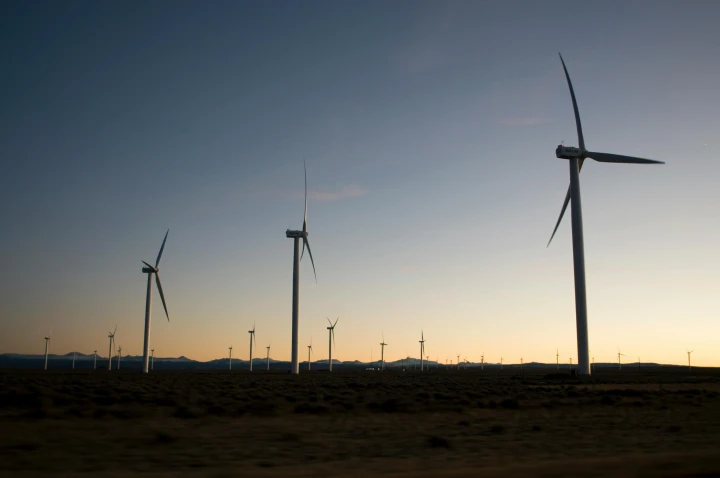
Crete is now fully powered through: - The Crete–Attica electricity interconnection - The Crete–Peloponnese electricity interconnection - Locally generated renewable energy (wind and solar). Together, these systems can meet 100% of the island’s electricity demand without the need to operate fossil-fuel power plants. Advanced load management systems operated by Greece’s Independent Power Transmission Operator (ADMIE) ensure grid stability, reliability, and immediate backup capacity when needed. This effectively ends Crete’s long-standing energy isolation, a key risk factor that historically affected infrastructure planning and large-scale investment.
Reliable Power Supply = Investment Confidence
Energy reliability is a critical — and often underestimated — factor in real estate valuation. The elimination of local thermal power plants significantly reduces the risk of power shortages, outages, and supply instability, particularly during peak summer tourism months. For property owners and developers, this means: - Greater operational certainty for hotels, resorts, and short-term rentals - Lower infrastructure risk for residential projects - Increased attractiveness for international buyers seeking stable assets In real estate terms, predictability equals value.
Lower Energy Costs, Higher Property Appeal
The shutdown of fossil-fuel power plants is expected to generate annual savings of €400–600 million for consumers, mainly through: - Reduced Public Service Obligation charges - Lower maintenance costs for obsolete power units - More efficient system usage through interconnections Lower energy costs translate directly into: - Reduced operating expenses for property owners - Higher net yields for rental investments - Increased affordability for long-term residents For income-generating properties, especially hospitality and vacation rentals, this improvement strengthens profit margins and long-term returns.