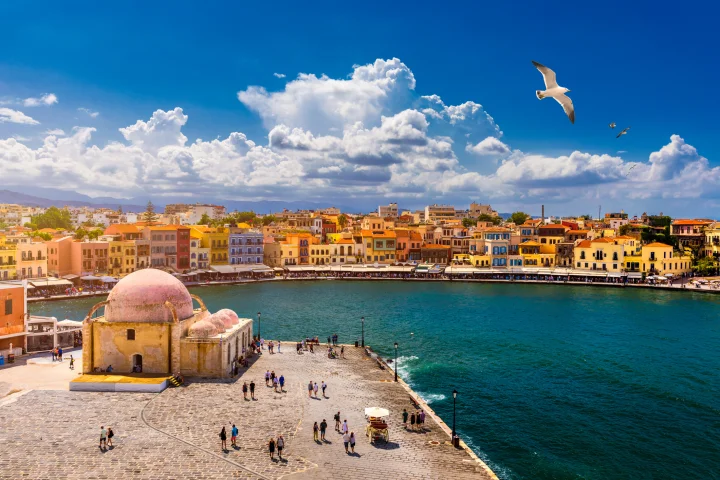

Moving your life to Crete is entirely achievable, and it's open to anyone in principle. What changes is the process: your nationality, how long you intend to stay, and your personal circumstances all play a part. Emigrating to Crete is possible, though it means navigating visa rules, residency permits, and legal obligations that differ significantly between EU and non-EU citizens. EU nationals benefit from freedom of movement, while non-EU citizens typically face more paperwork and longer processing times.
Greece's Golden Visa programme offers one route to residence through property investment, though ownership on its own does not automatically grant the right to reside. Success generally comes down to proper planning: understanding Greek bureaucracy, budgeting for both one-off and ongoing costs, and getting the right professional advice, particularly on tax residency, before you make the move.
EU citizens can move freely and establish residence in Greece. Non-EU nationals need to arrange the appropriate visa and residence permit before settling long-term. Either way, emigrating involves meeting certain legal requirements, gathering the right documentation, and keeping up with ongoing obligations such as tax registration and healthcare enrolment.
What Does it Actually Mean to Emigrate to Crete?
Emigrating to Crete means establishing permanent legal residence on the island, with the intention of making it your primary home. This is a different matter from visiting as a tourist, or from owning a holiday property you use only occasionally. The distinction between a visit and emigration centres on residency status and tax obligations. Non-EU tourists can stay up to 90 days within any 180-day period without needing a special permit. Holiday home owners may visit regularly, yetkeep their primary residence elsewhere.
Emigrating typically means obtaining formal residence status, registering with the local authorities, and becoming a Greek tax resident. In practice, this usually means spending more than 183 days a year on the island. That status brings a set of obligations with it, including tax registration, healthcare enrolment, and compliance with Greek immigration rules. In other words, the ties that come with emigrating go well beyond owning a property. They extend to civic responsibilities and everyday life on the island.
What are the Main Visa and Residency Requirements for Moving to Crete?
EU citizens can move to Crete and establish residence freely, without needing a visa. After three months, they're generally required to register with the local municipality and obtain a residence certificate if they plan to stay long-term. Non-EU nationals face a more layered process, depending on their reason for relocating. A tourist visa allows a stay of up to 90 days but doesn't permit permanent residence. Long-term residence calls for a specific visa category, such as a work permit or an investment-based residence permit. The Golden Visa programme is one such route for non-EU citizens.
It's based on a qualifying property investment, with the minimum amount depending on the region and property type, and it grants a renewable residence permit that can lead to permanent residency over time. Other options include employment-based permits, which call for a job offer from a Greek employer, and family reunification permits for those with a Greek or EU citizen spouse.
Documentation commonly includes a valid passport, proof of financial means, health insurance, a clean criminal record certificate, and any documents specific to your chosen visa category. Processing times vary too: EU registrations can typically be completed within weeks, while non-EU residence permits often take several months.
How Does Property Ownership Affect your Ability to Emigrate to Crete?
Owning property in Crete doesn't, on its own, grant you the right to reside there. What it can do is support your emigration plans and make settling in considerably easier. For non-EU citizens, a property investment through the Golden Visa programme creates a direct pathway to residence.
The minimum investment required depends on the area and the type of property, and this investment-based permit allows you to live in Greece and travel freely within the Schengen area. Even outside the Golden Visa route, owning property can still help. It shows ties to Greece and financial stability when you apply for other types of residence permits, and it provides proof of accommodation, which visa applications commonly ask for. It also removes the ongoing cost of renting.
On a practical level, owning a home gives you a permanent address for official registrations, a base for building local connections, and potentially rental income if you invest in more than one property. If you're weighing up a property purchase as part of your emigration plans, it helps to understand the legal steps involved, from due diligence through to registration.
What are the Practical Steps to Legally Emigrate to Crete?
The process usually starts with determining your visa category and gathering the required documentation while you're still in your home country. EU citizens generally need identity documents and proof of financial means. Non-EU nationals typically apply for the appropriate visa through a Greek consulate first. Once you arrive in Crete, registration involves a few key steps. EU citizens are expected to register with the local municipality within three months and obtain a residence certificate. Non-EU citizens complete their residence permit application and register with local authorities, as set out in their visa conditions.
Tax registration is one of the earliest and most important steps, since Greek tax residency typically begins once you spend more than 183 days a year in the country. This is also the right moment to bring in an accountant, ideally one in Greece and one in your home country. Greece offers several alternative tax regimes for new residents, including a flat 7% rate on foreign-sourced pension income for qualifying retirees.
Whether any of these apply to you depends on your personal circumstances, including where you're relocating from and your tax history, so it's worth having an accountant on each side assess your situation before you commit to a timeline. Beyond that, you'll typically need a Greek tax identification number, known as an AFM, and registration with the appropriate tax office. Healthcare enrolment follows, either through the Greek national health system or a private insurance arrangement.
Other practical steps include opening a Greek bank account, setting up utilities at your new address, and obtaining a Greek driving licence if you intend to drive. The whole process commonly takes several months from start to finish, and initial residence status is often granted before every administrative step is complete.
What Challenges Should you Expect When Emigrating to Crete?
Language is usually the biggest hurdle. Greek bureaucracy often runs in Greek, and not every government office has English-speaking staff, which can make simple tasks like tax registration or setting up utilities more time-consuming than expected.
On the other hand, Greece has the highest percentage of English speakers in the Mediterranean, so you will eventually find your way. Administrative procedures can test your patience. Document requirements can feel excessive, processing times often run longer than planned, and some tasks take more than one visit to complete. Requirements can also change without much notice.
Cultural adjustment plays a role too. Business practices, social customs, and the general pace of daily life differ from what Northern European or North American residents are used to, and banking, shopping hours, and professional services may take some getting used to. Healthcare can also take some navigating at first, particularly understanding the difference between the public and private systems, finding English-speaking doctors, and making sure your insurance coverage is right.
Tax compliance is its own learning curve, since Greek obligations can differ substantially from those back home. Most of these challenges ease with the right support: local professionals who speak your language, an expat community for advice, and simply allowing extra time for administrative tasks during your first year.
How Much Does it Cost to Emigrate to Crete?
Costs vary considerably depending on your nationality, your visa category, and your personal circumstances. Initial expenses typically include visa application fees, document translation and apostilles, legal fees, and the travel costs of the move itself. EU citizens generally face fairly modest initial costs, mostly for document preparation, translation, and travel. Non-EU citizens tend to face higher costs overall, particularly those pursuing the Golden Visa route, which involves a property investment on top of the usual legal and administrative fees.
Ongoing costs start with housing, which varies enormously across Crete. Coastal areas and popular tourist spots command higher prices than inland locations. Health insurance is another significant ongoing cost, whether through a private policy or contributions to the Greek national health system.
Tax obligations depend on your income sources, and can include Greek income tax, property taxes, and, during the transition period, obligations that may still apply in your home country. This is where the alternative tax regimes mentioned earlier can make a real difference for some people, particularly retirees, though whether they apply to you is a question for an accountant rather than a rule of thumb.
Utility costs, transport, and everyday living expenses are worth researching based on the lifestyle and location you have in mind. Professional fees, for legal advice, tax preparation, and translation, tend to continue for the first few years as you settle in. It's worth building some contingency into your budget for unexpected administrative costs, and for any delay in income if you're setting up a business as part of the move.
Emigrating to Crete comes together with careful planning, the right documentation, and realistic expectations about how long each step takes. We've been guiding international buyers to find their ideal home in Greece since 1991. Our in-house legal team can help you understand how a property purchase fits into your wider emigration plans.
Disclaimer: This content is for informational purposes only and does NOT constitute legal or tax advice. For any issues relating to specific cases, it is highly recommended to consult a lawyer, an accountant or a notary, depending on your needs.