Regional Guides
21.07.2025
Where to Stay in the Peloponnese?
Read more

21.07.2025
Read more
19.07.2025
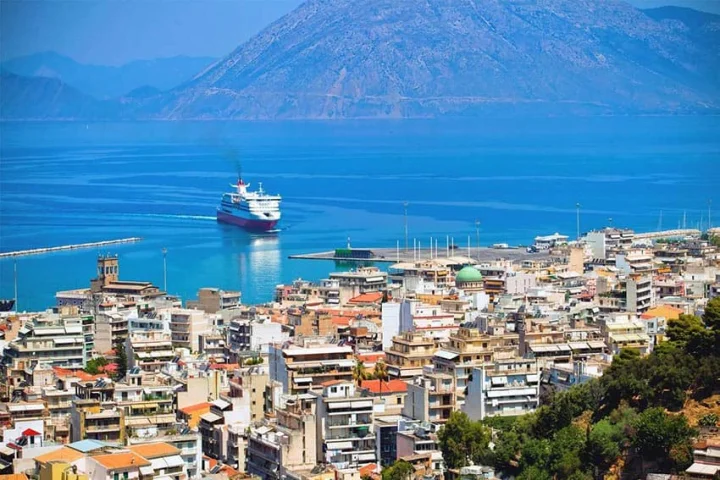
The answer to this one is clear: Patras. Sitting in the northwest, it's by far the largest city in the Peloponnese, and the third-largest in all of Greece, after Athens and Thessaloniki. It's the peninsula's main port, its commercial centre, and its gateway to Italy and the rest of Europe. For buyers, though, biggest doesn't always mean best. Patras is a working city rather than a holiday spot, so it suits some plans more than others. Here's what makes it the regional capital, and how it compares with the Peloponnese's other main towns.
18.07.2025
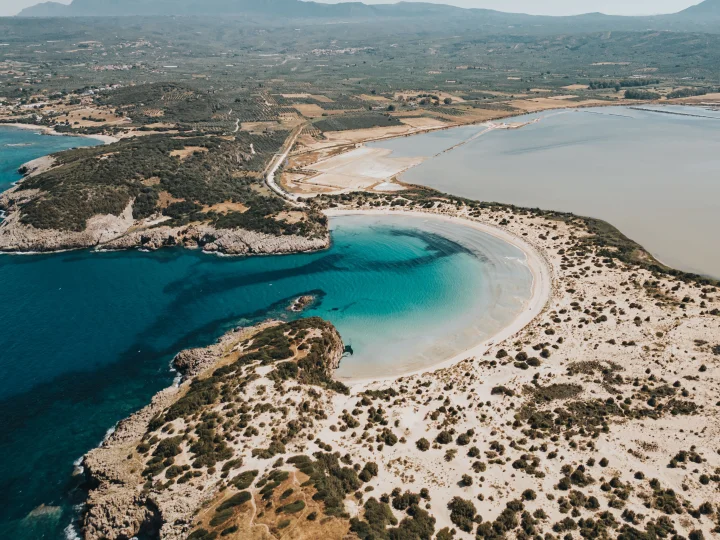
It's a fair thing to wonder. A good deal of the Greek coastline is pebbly, and visitors often arrive expecting sand and find shingle instead. The Peloponnese is the happy exception. Its coast is generously supplied with proper sand, from wild, undeveloped bays to long golden stretches with full facilities, which is a large part of why it draws so many people looking for a holiday home near the water. Below are the beaches worth knowing, a few coastal towns to consider, and what to keep in mind when buying near the sea.
15.07.2025
If you’re planning to build or renovate a property in Greece, navigating the country’s building permit system is essential. Greek law distinguishes between different categories of permits depending on the scale, purpose, and technical impact of the construction work. Whether you are constructing a new home or making minor upgrades, understanding these permit types will help ensure your project complies with national and local regulations. The two main categories of permits are the Full Building Permit (Οικοδομική Άδεια) and the Small-Scale Building Permit (Έγκριση Εργασιών Μικρής Κλίμακας). Each has specific criteria, submission requirements, and approval processes governed by Greek law and the national electronic permitting system known as e-Άδειες.
15.07.2025
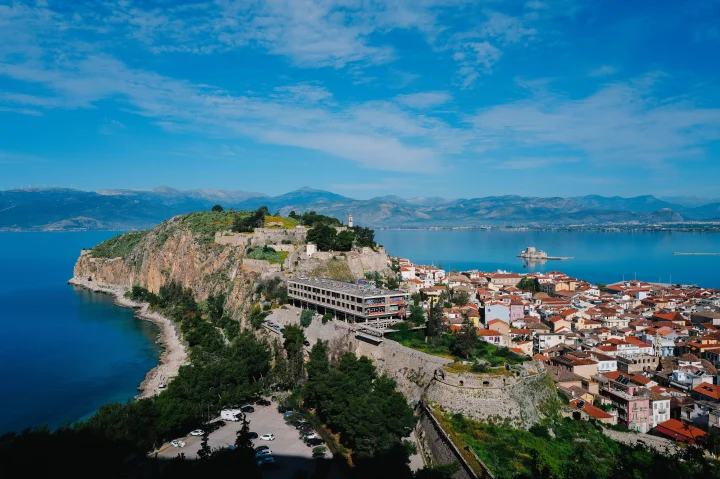
The Peloponnese is large and varied, so the best base really depends on the life you want. There's no single answer, only the place that fits. Most international buyers settle in one of two areas: the east, around Nafplio and the Argolic Gulf, and the southwest, around Kalamata and the Messinian coast. Both pair lovely coastline with proper towns and services, and both are within easy reach of Athens. Below are the places worth knowing, focused on where we most often help buyers find a home.
14.07.2025
You can get a good feel for one or two areas in a long weekend. To take in the variety, the history inland, the beaches in the south, the medieval towns, you'll want closer to a week. If you're also looking at property, build in extra time. Viewing homes properly takes longer than sightseeing. Here's how the region breaks down, and how much time each part deserves.
10.07.2025
Transferring a car from abroad to Greece is a common issue for those who move to the country permanently or spend a large part of their time here. Although it is a legal and feasible process, the complexity, cost, and time involved make it an option that needs thought and planning.
10.07.2025
Getting around the Peloponnese is easier than on most Greek islands, and the right approach depends on what you're doing. For exploring freely, a hire car is hard to beat: it reaches the villages and coves that buses don't. For travel between the main towns, the KTEL coaches are cheap and reliable. And if you're here to view homes, the most efficient way is usually a mix, a car for rural spots, with viewings arranged in advance so you're not criss-crossing the peninsula. Here's how to plan it.
09.07.2025
The Greek island of Antikythira (sometimes spelled Antikythera) wants to pay families to move there, with a few special requirements. The island of Antikythira is between Crete and Kythira in the Aegean Sea. The Antikythera authorities plan to build homes and to open applications from families who want to live on the island. When the program is live, successful applicants will be offered a house and a plot of land in exchange for moving there.
09.07.2025
The Peloponnese looks like an island on a map, and the sea surrounds it on three sides. The Ionian Sea lies to the west, the Aegean to the east, and open water to the south. In the north, though, a narrow strip of land joins it to the rest of the country. That strip is the Isthmus of Corinth, only about 6 kilometres wide at its narrowest point. So the Peloponnese is a peninsula, not an island. That single fact shapes much of what makes it appealing to buyers.