Skip to content

Is the Peloponnese a Good Place to Buy Property?

Regional Guides

25.02.2026

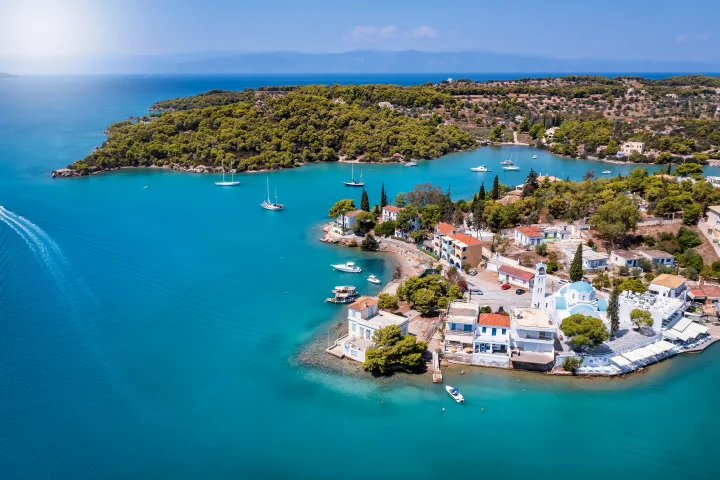
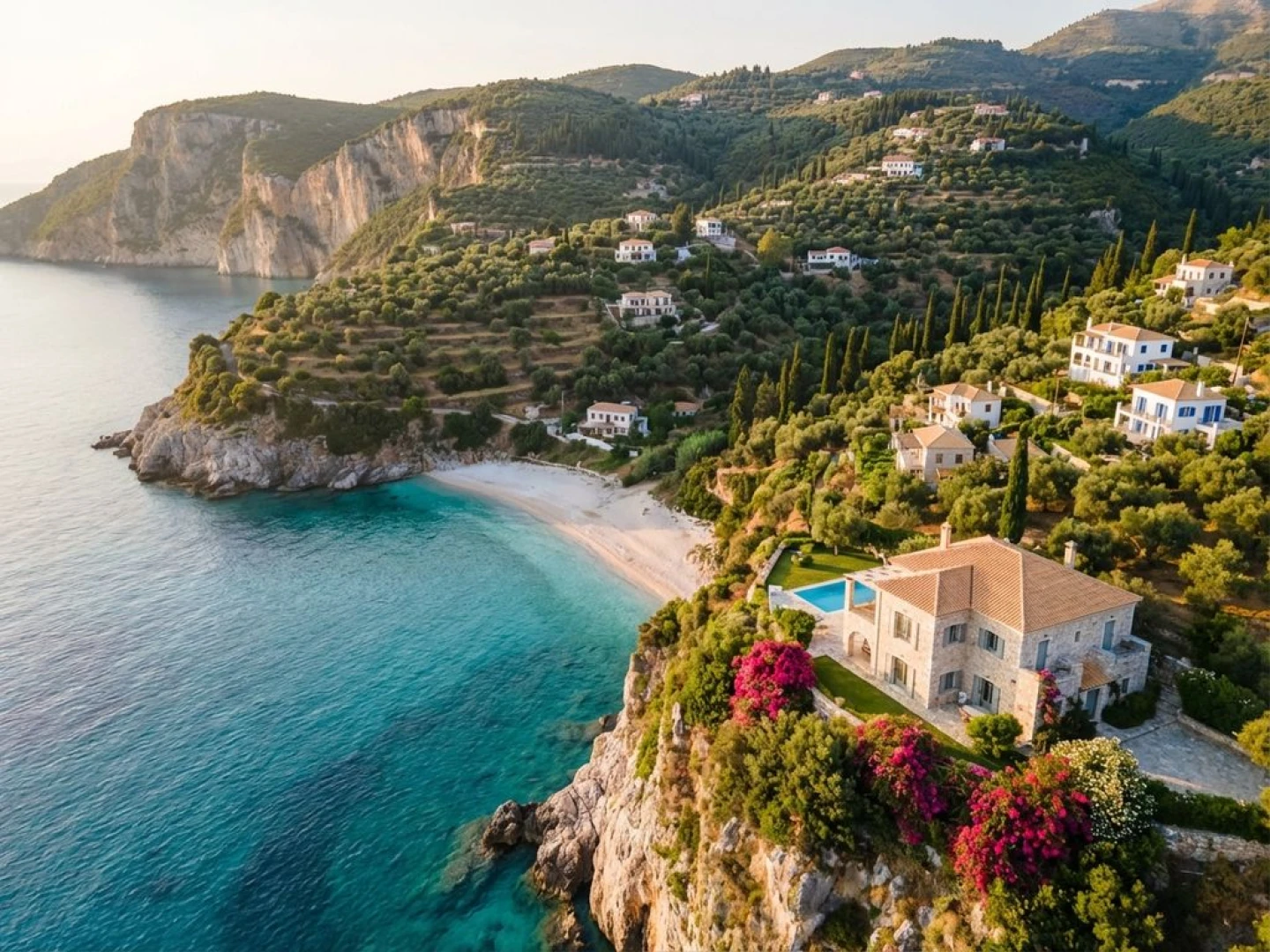
Aerial view of Peloponnese peninsula with stone villa on cliff, turquoise Mediterranean waters, olive groves and Greek coastline

The Peloponnese is one of Greece's most compelling regions for property buyers, a peninsula that combines dramatic coastlines, mountain villages, and ancient history with a property market that still offers genuine value. It is not as widely known as Santorini or Mykonos among international buyers, and that is partly what makes it interesting. For those willing to look beyond the obvious destinations, the Peloponnese offers a different kind of return.

What makes the Peloponnese attractive for property buyers?

The Peloponnese sits at the crossroads of natural beauty and historical significance. Its coastlines stretch along both the Ionian and Aegean seas, offering everything from sheltered sandy beaches to dramatic rocky capes. Inland, olive-covered hills give way to mountain villages and some of Greece's most important archaeological sites, Ancient Olympia, Mycenae, and Epidaurus among them.


What sets the region apart from purely seasonal destinations is its year-round liveability. The Peloponnese has a functioning local economy, established communities, good healthcare, and a cultural life that does not switch off in October. For buyers considering longer stays or permanent relocation, this matters.


Tourism is growing steadily. According to data from the Region of Peloponnese and the Bank of Greece, overnight stays rose by 21.3%, visitor arrivals increased by 27.8%, and travel receipts jumped by 43% in recent periods, reaching €158.6 million. Kalamata International Airport welcomed 169,730 international passengers in 2025, a 25.6% increase compared to 2023, with demand led by the UK, Germany, and the Netherlands. In 2026, the airport will connect to 22 international destinations through 31 direct routes, including new services from Jet2, Condor, and Wizz Air. Flights from Munich and Düsseldorf will extend into November, signalling a deliberate move toward a longer, more balanced season.


In 2026, Kalamata was named one of Europe's top city-break destinations by The Times, ranked 12th on their annual list. Messenia was also included in the New York Times' 52 places to go in 2026. This kind of international recognition has a direct effect on rental demand and property interest.

How do Peloponnese property prices compare?

The Peloponnese offers more accessible entry points than Greece's most famous island destinations. Property prices remain more affordable compared to Athens or popular islands, while the lifestyle on offer is genuinely comparable.


In practical terms, a budget of around €250,000 can secure an attractive home close to the sea in the Peloponnese. At around €600,000, buyers can typically find a detached villa with sea views, private outdoor areas, and in many cases a swimming pool. These are real options in a region that still has room to grow.


The Golden Visa programme adds another layer of appeal. The Peloponnese falls outside the high-demand zones, meaning the minimum qualifying investment is €400,000, lower than the €800,000 threshold that applies in Athens, Thessaloniki, Mykonos, Santorini, and larger islands. This makes the region a practical option for non-EU buyers seeking both a quality home and a pathway to European residency.

What are the most popular areas to buy property in the Peloponnese?

Messinia leads international property demand in the region. The area around Kalamata, Pylos, and the Messenian Mani combines direct airport access, excellent beaches, and an established tourism infrastructure. Coastal villages attract buyers seeking traditional stone houses with sea views, while Kalamata itself offers urban amenities alongside a genuinely local rhythm.


The Mani Peninsula, divided between Messinia and Laconia. appeals to buyers wanting dramatic landscapes and authentic architecture. Traditional tower houses and stone-built properties sit against spectacular backdrops, and the area has developed a loyal international following without becoming overcrowded.


Nafplio draws buyers wanting culture, history, and year-round liveability. As Greece's first post-independence capital, it has a distinctive architectural character and a strong local community. Prices here reflect its popularity and proximity to Athens.


Mountain villages in the interior of the Peloponnese attract buyers seeking cooler climates, traditional stone architecture, and properties that often represent excellent value. Many require renovation, which can also represent an opportunity for buyers willing to invest in improvements.

What legal considerations should foreign buyers know?

Foreign property ownership in the Peloponnese follows standard Greek property law. EU citizens face no special restrictions. Non-EU buyers face minimal limitations in most cases, primarily in designated border or military zones, which rarely affect typical residential purchases in this region.


Essential requirements include obtaining a Greek tax number (AFM), conducting thorough title checks, and ensuring proper due diligence on property boundaries and building permits. All transactions require notarial contracts in Greek, which makes qualified legal representation essential for foreign buyers.


The transfer tax is 3.09% of the purchase price or the government-determined objective value, whichever is higher. As a general rule, buyers should budget approximately 10% of the purchase price to cover all one-off transaction costs, including transfer tax, notary fees, land registry fees, and lawyer's fees.


Certain exemptions on transfer tax may apply in specific circumstances. Your lawyer can advise whether you qualify based on your personal situation.

What are the potential challenges of buying property in the Peloponnese?

Seasonal accessibility affects certain coastal and mountain areas in winter. Properties in remote locations may face longer response times for maintenance during off-peak seasons.


Older buildings often require significant renovation, and many traditional properties carry unclear building permits for extensions or modifications. Bureaucratic timelines in Greek property transactions can extend completion schedules, particularly for inheritance properties or titles with complex histories.


Disclaimer: This content is for informational purposes only and does not constitute legal or tax advice. For matters specific to your situation, we recommend consulting a lawyer, accountant, or notary as appropriate.

You might also like