
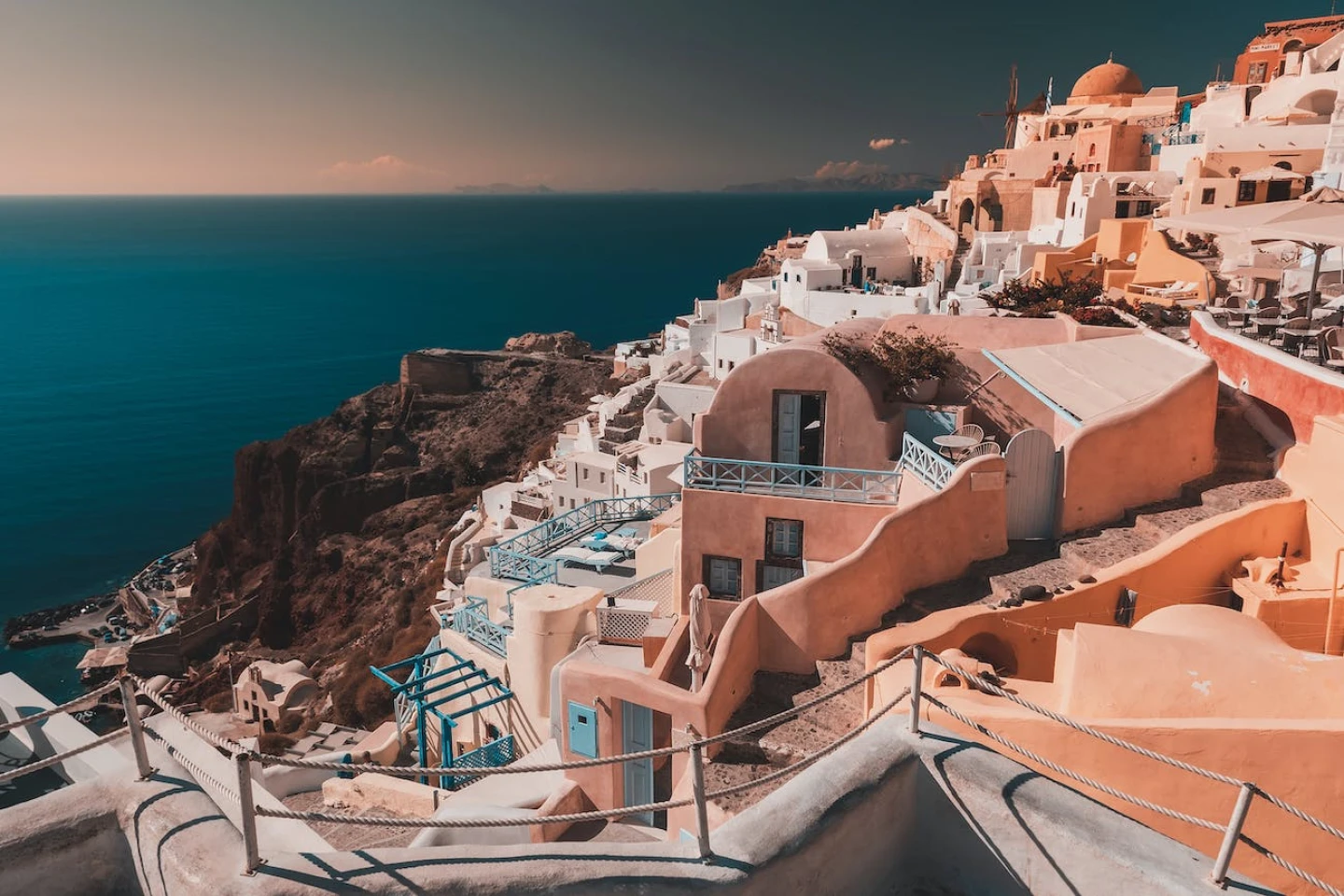
Selling your Greek holiday home after years of Mediterranean memories can feel overwhelming, especially when you're managing the process from abroad. Whether you are simplifying life after retirement or finding that you visit less frequently than you once did, the process benefits from good preparation and local knowledge.
The Greek property market presents unique opportunities and challenges for foreign homeowners. Understanding local dynamics, buyer expectations, and the intricacies of cross-border transactions can make an important. The following seven strategies can help you navigate the complexities of selling a property, even from thousands of miles away.
Why timing and strategy determine your Greek property's final sale price
The Greek real estate market operates on distinct seasonal patterns and buyer behaviors that directly impact property values. Foreign buyers typically begin their search during winter months, planning purchases for spring viewings, whilst local buyers often follow different timelines. Property values in Greece are influenced by multiple factors beyond location and size. Proximity to airports, ferry connections, local amenities, and seasonal accessibility all play crucial roles. Coastal properties in established tourist areas maintain stronger value retention, but emerging destinations can offer surprising opportunities for premium pricing. For foreign homeowners, a strategic approach becomes essential because you're competing in a market where many sellers lack proper preparation. Things like clear documentation, professional presentation, and targeted marketing can often make a big difference.
1. Perfect your property's first impression with strategic staging
Your Greek property's first impression begins long before potential buyers step through the door. In today's digital marketplace, professional photography and virtual presentations create the initial impact that determines whether international buyers will pursue a viewing or move on to the next listing. Remove personal items, family photographs, and excessive furniture that makes spaces appear smaller. Greek properties often benefit from highlighting their connection to outdoor spaces, so ensure terraces, balconies, and garden areas are clean and inviting. Simple touches like fresh flowers, opened shutters, and well-arranged furniture help buyers envision their own Mediterranean lifestyle. Consider minor repairs and updates that deliver maximum visual impact. Fresh paint in neutral colors, updated lighting fixtures, and ensuring all systems function properly demonstrate that the property has been well-maintained. These investments typically return several times their cost in final sale price.

3. Make the most of property presentation
Presentation makes a real difference, particularly for international buyers whose decision is often as much about lifestyle as it is about square meters and specifications. On the exterior, focus on what creates immediate visual appeal without requiring significant ongoing maintenance. Native planting, olive trees, and traditional garden elements like stone pathways or pergolas tend to photograph well and feel authentic. Fresh exterior paint, well-maintained shutters, and any traditional architectural features that are in good condition are all worth attention before listing. Outdoor living spaces carry particular weight for buyers coming from northern Europe. A terrace that is well-presented, properly furnished, and has clear sight lines to a view gives buyers a concrete sense of how they would use the property. This kind of detail often leaves a stronger impression during a viewing than the interior rooms do

4. What legal documents increase buyer confidence?
Complete and well-organized legal documentation makes the sale process considerably smoother for everyone involved. International buyers in particular want to see that a property is legally sound before they commit, and having everything in order from the start reduces uncertainty and avoids delays down the line.
Typically, the documents required for a property sale in Greece include the title deed, topographical plan, Energy Performance Certificate, building permit, proof of registration, copies of personal ID, a recent electricity bill, and the E-9 tax form. Getting these together and reviewed before marketing is a practical step that tends to keep the process on track. Buyers who feel confident about the legal side of a transaction are generally easier to work with, and fewer surprises arise during due diligence. Elxis's in-house legal team can assist with this preparation as part of the sales process
5. Market to the right international audience
Successful Greek property sales to international buyers require targeted marketing that reaches qualified prospects through appropriate channels. Generic local advertising rarely attracts serious foreign buyers with the financial capacity to pay premium prices. Professional photography that captures both interior spaces and the broader location context helps international buyers understand the property's lifestyle potential. Multilingual marketing materials and listings on international property portals increase visibility among qualified buyer segments who appreciate well-presented Greek properties. Leveraging networks that specialize in Greek property sales to international clients often produces better results than broad-spectrum marketing. These specialized channels understand buyer motivations, can communicate effectively across language barriers, and maintain databases of active prospects seeking Greek properties.
6. Negotiating effectively as a seller
Negotiation tends to go more smoothly when the groundwork has been done beforehand. Knowing your property's realistic market value, having comparable sales to hand, and being clear on your own priorities and timeline all help when it comes to responding to offers. International buyers often expect some room for negotiation, but a property that is fairly priced from the start tends to attract more serious interest and leaves less room for lowball offers. Being able to point to concrete reasons for the asking price, like the condition, location, legal status, recent comparables, makes for more grounded conversations. Deciding when to accept, counter, or decline an offer involves weighing market conditions against your own circumstances.
.jpg)
7. Time your sale for better market advantage
The Greek property market follows seasonal patterns that can significantly impact both buyer interest and final sale prices. Understanding these cycles allows you to time your listing for maximum competitive advantage and buyer activity. Spring and early summer typically offer the strongest buyer activity, as international prospects combine property viewings with holiday visits to Greece. However, serious buyers often begin their searches during winter months, making early-year marketing preparation crucial for capturing peak season interest. Economic factors and international travel patterns also influence optimal timing. Aligning your sale with periods of strong buyer confidence and easy travel access to Greece can result in more competitive offers and higher final sale prices.
Turn these strategies into your successful Greek property sale
Implementing these seven strategies requires coordination, local market knowledge, and professional expertise, particularly when managing the process from abroad. The most successful property sales combine strategic preparation with experienced guidance that understands both Greek legal requirements and international buyer expectations. The key lies in professional presentation, accurate pricing, targeted marketing, and skilled negotiation.
Ready to take the next step? Elxis has been helping foreign owners navigate the Greek property market for over 35 years, with an in-house legal team that handles the process from listing through to completion. Contact our professionals today to discuss your property’s sale, whilst handling all the complexities of the process on your behalf.
Disclaimer: This content is for informational purposes only and does NOT constitute legal or tax advice. For any issues relating to specific cases, it is highly recommended to consult a lawyer, an accountant or a notary depending on your needs.