Skip to content

6 seasonal marketing tips for Greek islands

Blog

31.10.2025

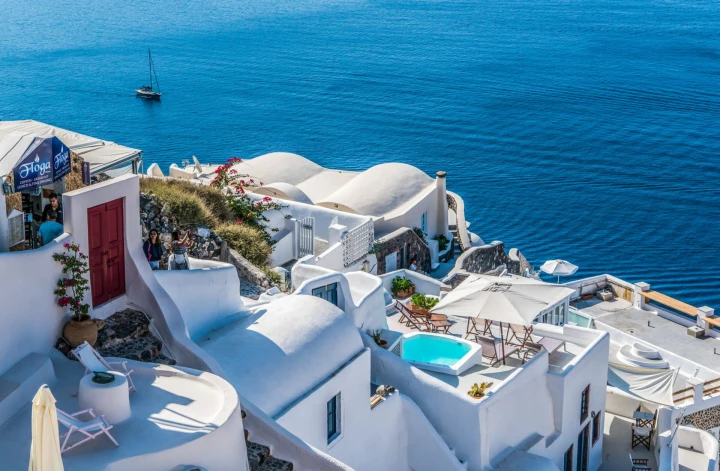
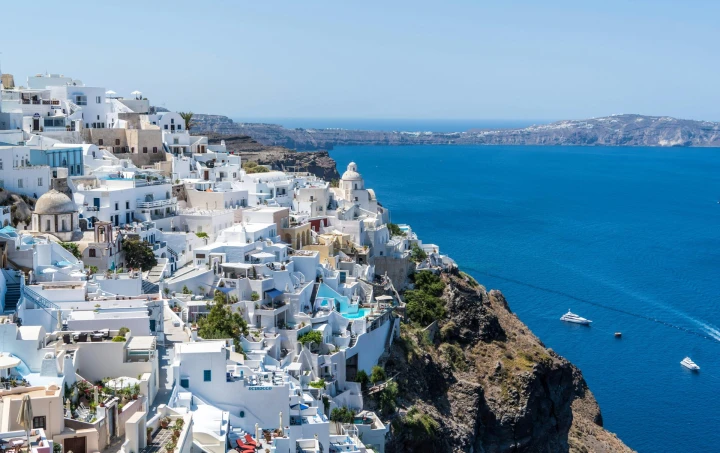
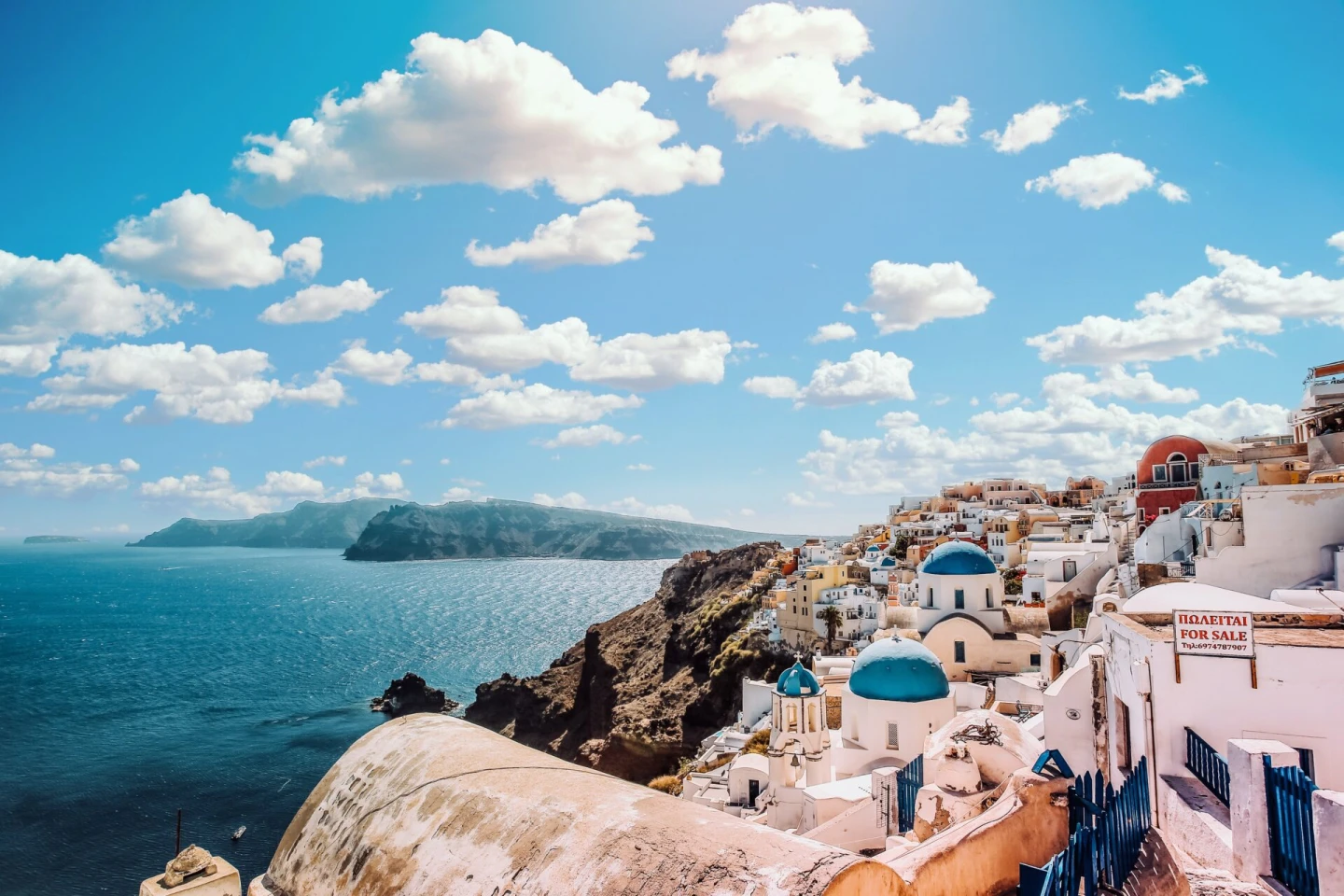
Santorini

The Greek islands experience seasonal shifts that create unique opportunities for property marketing.

Unlike mainland markets where demand remains relatively steady, island properties face distinct buyer behaviors tied to tourism patterns, weather cycles, and international vacation schedules. Understanding these rhythms can transform your approach to selling your property, turning seasonal challenges into strategic advantages.


Whether you're a homeowner looking to sell after years of ownership or simply exploring your options, mastering seasonal marketing timing can significantly impact your property's visibility and final sale price. The key lies in aligning your marketing efforts with both Greek cultural patterns and international buyer preferences.

Why timing transforms Greek island property marketing

Greece's distinct seasonal patterns create a unique marketing landscape. Summer brings the full Mediterranean experience and the highest visibility for island and coastal properties. Spring and autumn tend to attract buyers looking for a quieter pace, while winter is often when serious buyers do their research and make decisions. Rather than working against these rhythms, it helps to think about what each season highlights best, and time your marketing accordingly.

1. Leverage spring's renewal energy for fresh listings

Spring is one of the better times to photograph and market a Greek property. Gardens are in bloom, outdoor spaces look their best, and the light is good: clear skies without the intensity of midsummer. Terraces, gardens, and views all photograph well between March and May. It's also a practical window for buyers. Many international buyers start their search in spring with the aim of completing before summer, which tends to create genuine momentum in the market during these months.

2. Maximize summer's peak tourism for property exposure

Summer is when many buyers are already on the ground, visiting as tourists and experiencing island life firsthand. There's a significant difference between browsing listings from home and standing on a terrace in July, and that firsthand experience often accelerates decision-making in a way that's hard to replicate otherwise. This makes summer a natural window for viewings. Buyers are in the area, they're immersed in the lifestyle, and their motivation tends to be high. The practical consideration is scheduling, holiday plans mean availability can be unpredictable, so some flexibility helps. But the effort is usually worthwhile.


Local events, festivals, and the general atmosphere of a place in full season can also work in a property's favor. A home that sits near a lively village square or has a good vantage point over a summer celebration presents differently in July than it does in November. Context matters, and summer provides plenty of it.

3. What makes autumn the hidden gem of Greek marketing?

Autumn tends to be an underrated time in the Greek property market. From September through November, the weather is still pleasant, the pace has slowed, and the summer crowds have gone. For buyers, this creates better conditions for getting to know a place, quieter streets, easier access to properties, and more time for unhurried viewings and conversations. The atmosphere in autumn also gives a more honest picture of what everyday life looks like outside peak season. For buyers considering a permanent move or a property they plan to use year-round, that context is genuinely useful. This period tends to attract buyers who are further along in their thinking, retirees, those with flexible schedules, and people who have already visited in summer and are now returning to look more seriously. Viewings in autumn are often more focused and detailed as a result.

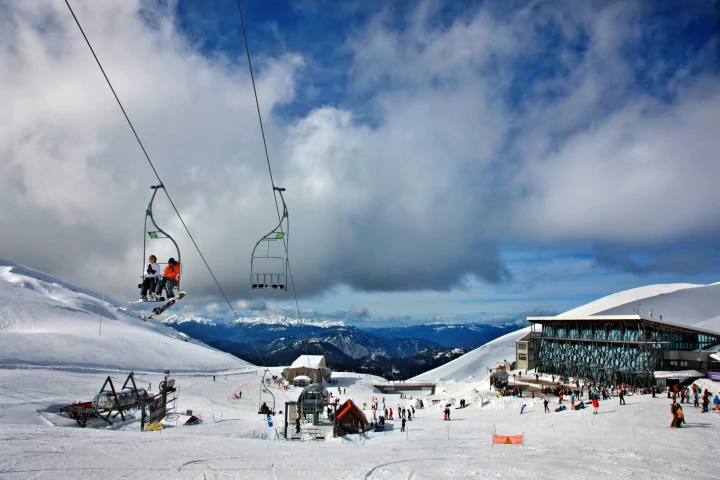
Doxa Lake, Peloponnese

4. Transform winter's quiet season into strategic advantage

Winter is quieter, but that doesn’t mean it is inactive. December through February is when many international buyers do their research: building shortlists, revisiting listings, and working through finances. Even if they are not ready for viewings yet, decisions are taking shape in the background. This makes winter a useful time for preparation and relationship-building. Detailed information, virtual presentations, and prompt responses to enquiries can all make a difference when a buyer is narrowing down their options from abroad.


It is also worth thinking about how a property is presented during this period. Buyers considering year-round or extended-season living will be paying attention to things like heating, insulation, and how well a home holds up outside summer. Properties that can demonstrate comfort and practicality in cooler months tend to resonate with this type of buyer, who is often looking for something more permanent than a holiday home.

5. Align marketing campaigns with Greek cultural calendar

Greece's cultural calendar is worth factoring into any marketing plan. Orthodox Easter is one of the most significant, as it often falls on a different date from Western Easter and brings a notable increase in domestic travel and family gatherings across the country. This kind of movement introduces properties to wider networks in a natural, informal way. Beyond Easter, local festivals and saint's day celebrations vary considerably by region and island. These events draw people together and tend to generate genuine community activity. For sellers, they can be a useful backdrop: properties that are visible and well-presented during these periods benefit from the goodwill and word-of-mouth that comes with local engagement.


One thing to consider is that certain holiday periods slow business down considerably. Knowing when offices, notaries, and other services are likely to be less available helps set realistic expectations around timing, both for sellers planning their campaigns and for buyers trying to move quickly

6. Coordinate international buyer seasons across markets

International buyers follow their own rhythms, and aligning with these makes a practical difference. Northern European buyers, Germans and Dutch among the most active in the Greek market, tend to begin their property research during their own winter months, move into more serious consideration in spring, and often aim to complete transactions before their summer holiday season starts. Knowing this helps with timing outreach and follow-up.


Holiday schedules in buyer home countries also shape when viewings are realistic. School holidays and national vacation periods influence when people can travel, and these windows are often shorter than sellers expect. A buyer who is seriously interested but based in Amsterdam or Hamburg may only have a handful of viable travel opportunities in a given year. For sellers, this is worth building into the planning from the start, not just thinking about when the property looks its best, but when the right buyers are actually in a position to visit and act.

Master the art of year-round Greek island marketing

Bringing these seasonal elements together into a coherent plan makes a real difference. Each season has its own strengths: spring for presentation and photography, summer for on-the-ground viewings, autumn for serious buyers, and winter for research and preparation. Rather than treating quieter periods as downtime, the most effective approach maintains a steady market presence throughout the year while putting more focus into the periods that suit your property and target buyers best.


It also helps to measure progress against realistic seasonal expectations. A spike in enquiries in spring, active viewings in summer, and detailed negotiations in autumn are all normal parts of the cycle, not signs that something is working or failing in isolation.


Navigating all of this well requires familiarity with both the Greek property market and the habits of international buyers. Elxis has been working with international buyers and sellers in Greece for over 35 years, and that experience shapes how we approach timing, presentation, and the full sales process. If you would like guidance on selling your property, feel free to get in touch.


This content is for informational purposes only and does not constitute legal or tax advice. For guidance on specific situations, we recommend consulting a lawyer, accountant, or notary as appropriate.

You might also like