
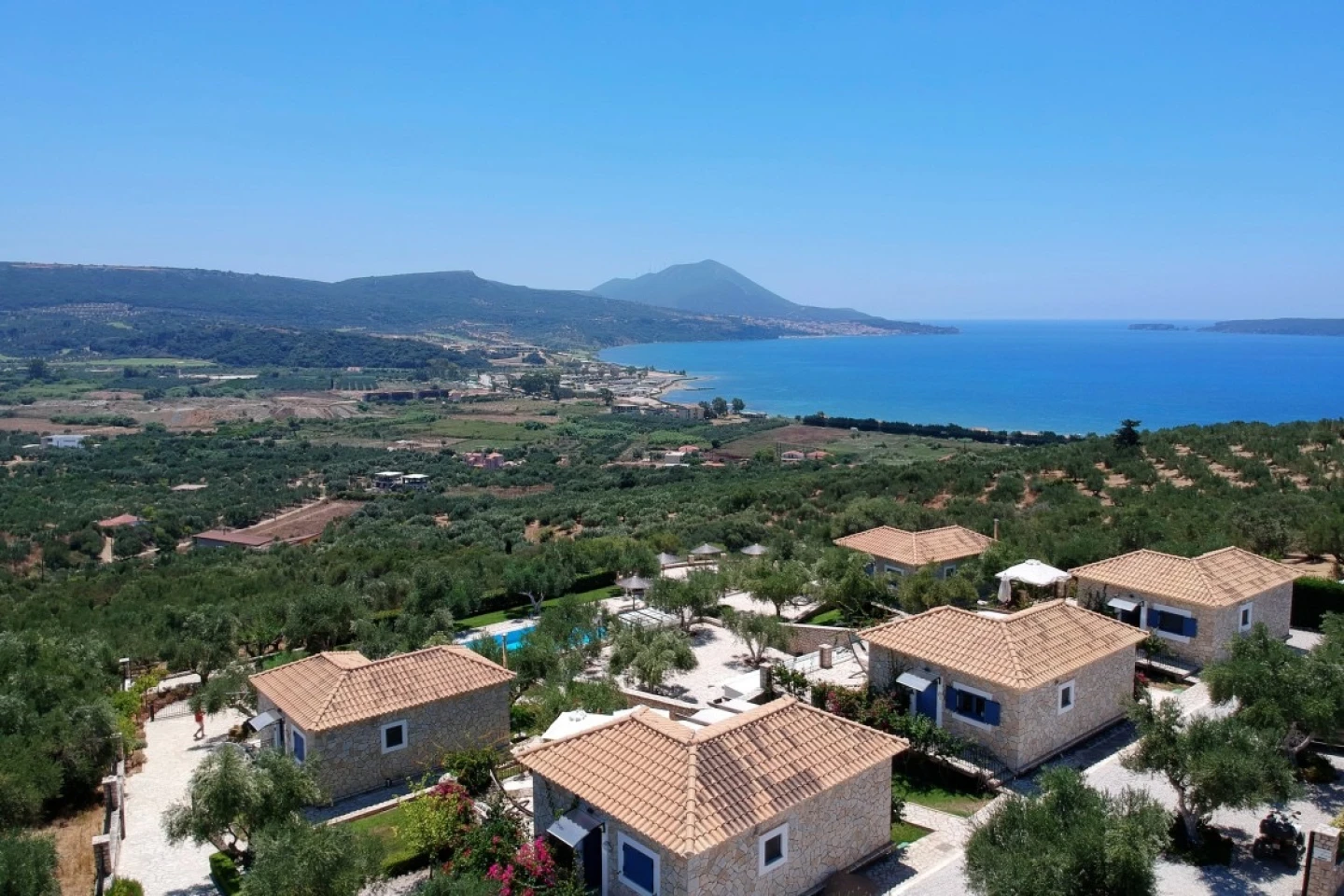
The Greek property market operates on distinct seasonal rhythms that can impact your success when you’re trying to sell a property here. Buyer activity, viewing schedules, and overall market pace all shift considerably across the year, more so than in most urban European markets.
For owners of coastal or holiday properties on islands like Crete, Corfu, or Lefkada, timing plays a real role in how a sale unfolds. Mediterranean weather patterns, international holiday schedules, and the seasonal habits of buyers from northern Europe all influence when serious interest tends to peak. Being aware of these patterns helps set realistic expectations and makes it easier to plan the process from the start.
Why timing matters in the Greek property market
The Greek real estate market possesses unique characteristics that make seasonal important. The country's economy heavily relies on tourism, which creates a direct correlation between seasonal visitor patterns and property buying interest. International buyers often make purchasing decisions based on their experiential connection to Greece during their visits, making physical presence and positive weather conditions essential factors in the sales process. Unlike domestic property markets where buyers make calculated investment decisions year-round, Greek holiday home purchases are frequently emotional decisions triggered by lifestyle aspirations. Buyers envision themselves enjoying Mediterranean summers, hosting family gatherings on sun-drenched terraces, and experiencing the Greek island lifestyle. This emotional component means that seasonal presentation and timing become fundamental elements of successful property sales.
1. Spring drives international buyer activity
Spring tends to mark the point where buyer activity picks up noticeably. From March through May, international buyers who have been researching over winter start moving from consideration to action, making enquiries, planning trips, and booking viewings. The season also works in a property's favor practically. Gardens are coming into bloom, outdoor spaces are at their most inviting, and the light is good for photography. It is one of the better times of year to present a property well, without the harsh intensity of midsummer. For many European buyers, spring also aligns with financial planning cycle, and the start of holiday scheduling. This combination of motivation and readiness makes it a period worth being well-prepared for. Listings that are live and well-presented by early spring tend to catch buyers at the right moment.

2. Summer peak season maximizes coastal property appeal
Summer is the peak period for coastal property activity in Greece, and for good reason. June through August is when properties show at their best: outdoor spaces are in full use, sea views are at their most striking, and buyers who are already in the country can experience the lifestyle directly rather than imagining it from a listing. This firsthand experience carries real weight. A buyer who spends a morning viewing a property in July, then sits on the terrace with a coffee looking out at the sea, has a very different sense of what they are buying than one who visits in February. Summer viewings can generate stronger and faster responses as a result.
The season also brings a natural concentration of potential buyers. Many serious purchasers combine viewing trips with their summer holidays, which makes it possible to conduct multiple viewings in a short window and reach buyers who are already motivated and present. For sellers, having the property well-prepared and easy to show during this period is worth the effort.
3. When should you avoid listing your Greek property?
Winter is a quieter period in the Greek property market. From November through February, buyer activity drops, travel from northern Europe slows, and many coastal areas operate at a reduced pace. Properties that rely heavily on outdoor appeal, sea views, and the wider lifestyle experience are harder to present well during this period. Viewing numbers are lower, and the buyers who do enquire in winter tend to be either highly motivated or working to a specific timeline. That is not necessarily a problem, as serious buyers exist year-round, but sellers should go in with realistic expectations about pace and volume during these months.
The practical limitations are real too. Shorter days, cooler temperatures, and quieter surroundings give a different impression of a property than the same home in July. For coastal and island properties in particular, winter can undersell what the location actually offers. This does not mean winter is wasted time. As covered earlier, it is a useful period for preparation, photography planning, and building relationships with buyers who are researching ahead of spring. But as an active selling window, it is the weakest of the four seasons.
4. Holiday periods create unique market opportunities
The European summer holiday window, particularly July and August, brings the highest concentration of potential buyers to Greek destinations. Many combine viewing trips with their annual holiday, which means the pool of people actively looking at properties during these weeks is notably larger than at other times of year. Sellers who have their property well-prepared during this window are in the best position to benefit. Year-end is quieter, but the buyers who are active in December and early January tend to be purposeful. Some are working to financial planning deadlines, others are motivated by a decision made over the holiday period. The volume is lower, but the conversations are often more direct.
5. Weather patterns influence property presentation
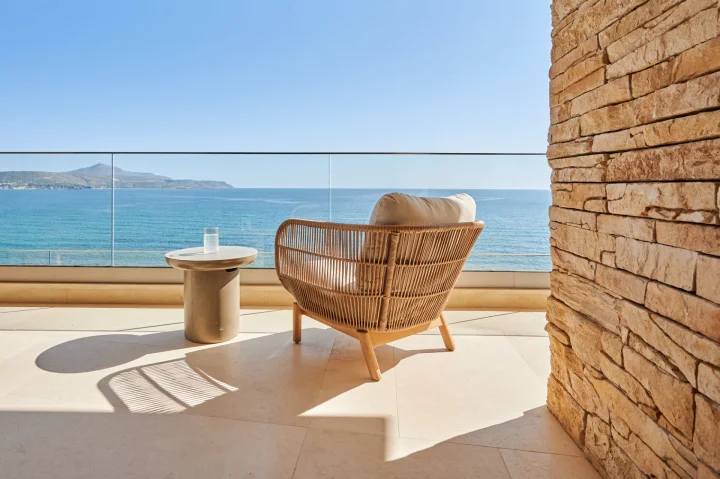
Weather has a direct impact on how a property comes across, both in photography and during viewings. For photography, spring and early summer offer the best conditions: good light, clear skies, gardens in good shape, and outdoor spaces that are genuinely inviting. These are the images that will represent the property across all marketing channels, so getting them right matters. Trying to photograph a coastal property on a grey February afternoon rarely does it justice.
The same applies to viewings. A buyer visiting a property on a sunny spring morning, with the terrace accessible and the garden well-maintained, will have a very different experience from someone viewing the same home in winter with the shutters closed and the surrounding area quiet. For lifestyle-driven purchases, that first impression carries real weight. Practically, this means thinking about photography and presentation schedules in advance. Garden maintenance, outdoor furniture, and general upkeep all feed into how a property shows. Spring and early summer tend to be the optimal window for both.
Strategic timing for your Greek property sale
Successful Greek property sales require careful coordination of market timing, property preparation, and buyer psychology. The optimal strategy involves listing properties during late winter or early spring, allowing sufficient time for marketing preparation while capturing the surge in buyer activity that begins in March. This approach ensures properties receive maximum exposure during peak viewing seasons.
Planning your sales timeline should account for the unique characteristics of international buyers who require time for financial arrangements, legal consultations, and travel planning. Strategic sellers may begin preparation during winter months, complete necessary documentation and property improvements during spring, and position their properties for peak summer viewing periods when emotional connections and lifestyle appeal reach their maximum impact.
The Greek property market rewards sellers who understand and respect its seasonal rhythms. By aligning your sales strategy with natural market patterns, you position yourself for optimal results while minimizing the stress and uncertainty often associated with international property transactions. For personalized guidance on timing your specific property sale, consider consulting with professionals who understand both seasonal market dynamics and the complexities of cross-border transactions. Contact our team to discuss how seasonal timing can optimize your property sale strategy.
Disclaimer: This content is for informational purposes only and does NOT constitute legal or tax advice. For any issues relating to specific cases, it is highly recommended to consult a lawyer, an accountant or a notary depending on your needs.