Skip to content

7 Ways To Speed Up Your Greek Property Sale

Market Insights

19.11.2025

Selling a property in Greece involves several moving parts: title verification, tax clearance, building permits, energy certificates, and, for foreign owners selling from abroad, coordinating all of this across time zones adds another layer. The good news is that with the right preparation, most of these steps can be completed well before a buyer arrives, which is what separates a smooth sale from a tricky one.

1. Get Documentation Ready Early

Starting the paperwork phase early gives you a real advantage. To sell a house in Greece, it is essential to obtain a comprehensive set of legal documents that must be up to date and properly authenticated, as missing or outdated paperwork can significantly delay the estate transfer. Key documents include the title deed, which proves home ownership, tax clearance certificates from both local and national authorities, and building permits that accurately reflect the property’s current condition. An energy performance certificate is also required and has been mandatory for a property sale since 2011.


Additional documentation includes a topographical survey, municipal certificates confirming there are no outstanding debts, and proof that all property taxes have been paid. If any modifications have been made to the property, the relevant building permits or regularisation certificates must also be provided. Foreign owners are required to submit translated versions of personal documents, such as passports and proof of residence, with all translations officially certified by authorised translators recognised by the authorities in Greece. Home ownership documents, including the title deed and any inheritance papers, must be current and are required permanently. Personal documents, such as a passport and proof of residence, must remain valid throughout the entire sale process.

2. Set a Price Based on Market Data

A well-researched asking price attracts serious buyers from day one. The Greek market varies by region and property type, so a valuation based on recent comparable sales in your specific area gives you the most reliable foundation. Accurate pricing from the start also tends to generate more simultaneous interest, which can support a strong final sale price.

3. Find an Experienced Real Estate Agent

While hiring a real estate agent in Greece isn't mandatory, their involvement can make a significant difference. They bring local market expertise, handle property viewings on your behalf, and save you considerable time, particularly if you're based abroad or don't speak Greek. Beyond logistics, agents can help you set a competitive and realistic price for your property, and connect you with trusted professionals such as civil engineers, notaries, and lawyers.

4. Invest in Photography and Videography

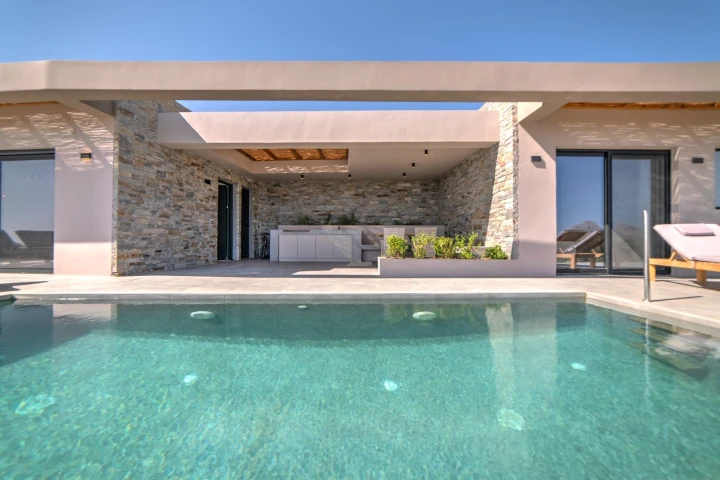
Strong visuals are among the most powerful tools for capturing buyer interest from the very beginning. International buyers, who represent a significant portion of demand for Greek coastal property, frequently shortlist homes based on online listings alone, long before setting foot in the country. Professional photography of both interiors and exteriors, and virtual tour capabilities all ensure your property stands out and makes a compelling first impression.


5. Stage to Impress

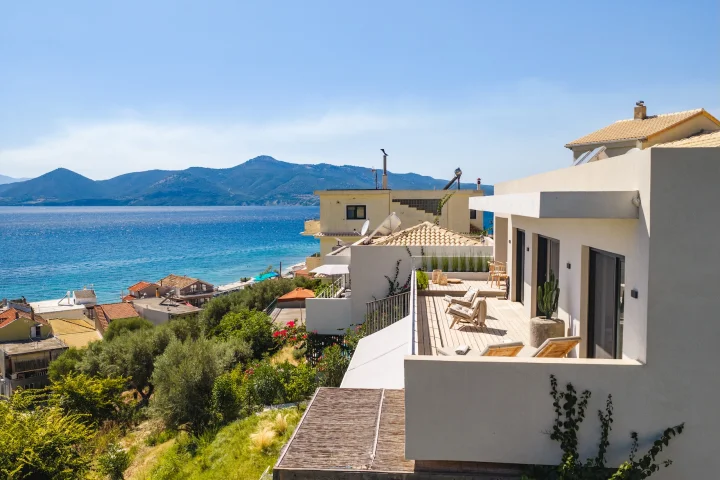
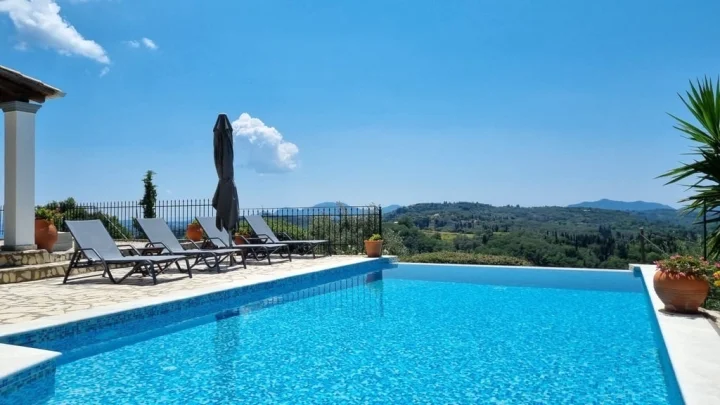
Presentation has a direct influence on both buyer perception and the offers you receive. Simple steps: decluttering, attending to minor repairs, and highlighting what makes the property special, help buyers picture themselves in the space and build an emotional connection to it. For Greek properties, this means giving particular attention to outdoor areas, sea views, and any distinctive architectural details that set the home apart. Fresh paintwork, well-kept gardens, and clean, uncluttered interiors allow the property's natural character to speak for itself. Timing plays a role here too: spring and early summer tend to be ideal for viewings, when gardens are at their best and natural light flatters outdoor living spaces, making it easier for buyers to imagine the Mediterranean lifestyle they're looking for.

6. Negotiate Smart

Not every enquiry is worth pursuing, and knowing the difference early saves considerable time and energy. Before entering into serious negotiations, it's worth ensuring any prospective buyer has the financial means to follow through, a realistic timeline, and a genuine fit with what you're selling. This isn't about being dismissive, it's about being practical. A well-matched buyer who is properly prepared will move faster, negotiate more reasonably, and be far less likely to walk away at a late stage. Agents with experience in the Greek market can make these assessments without alienating good prospects, and the result is a process that feels less like a lottery and more like a conversation heading somewhere.

7. Power of Attorney: A Document That Simplifies The Property Sale

A power of attorney is typically notarised in your country of residence and then apostilled to confirm its international validity, though Greek consulates can also authenticate the document directly. Once in place, your appointed representative, most commonly a lawyer, can handle viewings, negotiate with buyers, and manage all the legal steps involved in the sale on your behalf, removing the need for repeated trips to Greece. While document review and communications can increasingly be handled remotely, the final transfer at the notary still requires someone to be physically present,either you or your representative.


Disclaimer: This content is for informational purposes only and does not constitute legal or tax advice. For matters relating to your specific situation, we strongly recommend consulting a lawyer, accountant, or notary as appropriate.

You might also like