Skip to content

What is the difference between Crete and other Greek islands?

Regional Guides

11.10.2025

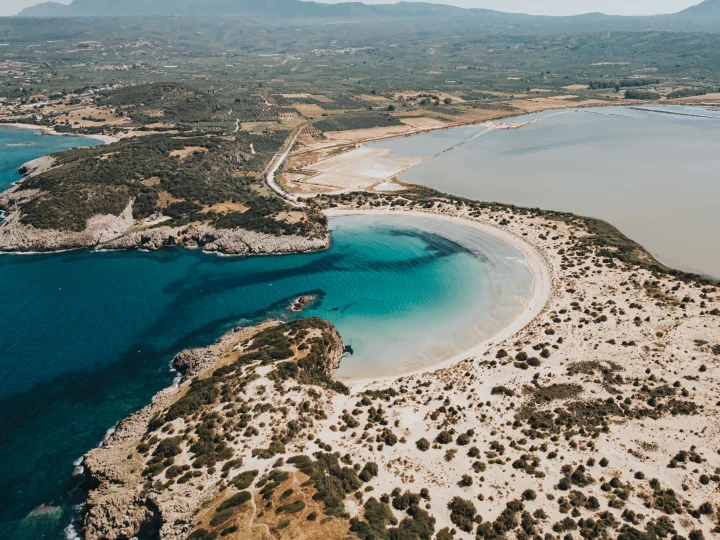
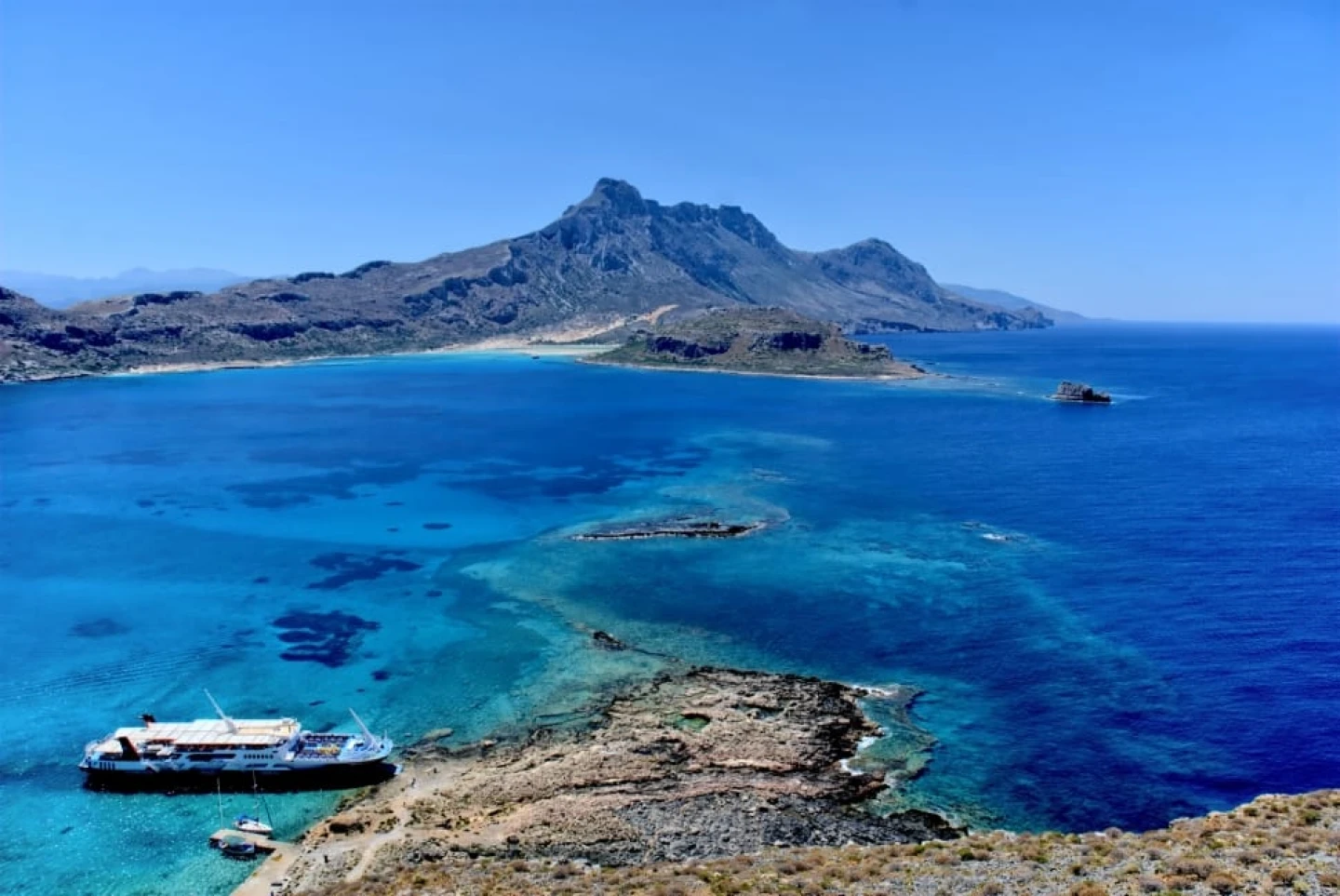
Balos Beach, Crete

Discover why Crete stands apart from other Greek islands through its massive 8,336 square kilometer scale, ancient Minoan heritage, and year-round living potential.

Crete has a cultural identity that feels distinct from the rest of Greece, and Cretans will be the first to tell you so. The largest Greek island has its own dialect, its own music, its own architectural character, and a set of social traditions shaped by thousands of years of history. Spend time here and it becomes clear quickly that this is not simply a Greek island. It is Crete.

What makes Crete different from other Greek islands?

The most obvious difference is size, but size alone doesn't explain it. Crete is diverse in a way that smaller islands simply cannot be. Snow-capped mountains, fertile plains, dramatic gorges, and hundreds of beaches all exist within the same destination. You can hike through one of Europe's longest gorges in the morning and be on a beach by afternoon.


The island's Minoan heritage sets it apart culturally. The Minoans were among Europe's earliest civilisations, and the palaces they left behind at Knossos and Phaistos predate classical Greek culture by centuries. This historical foundation underpins a Cretan identity, dialect, customs, music, food, that is distinctly its own.


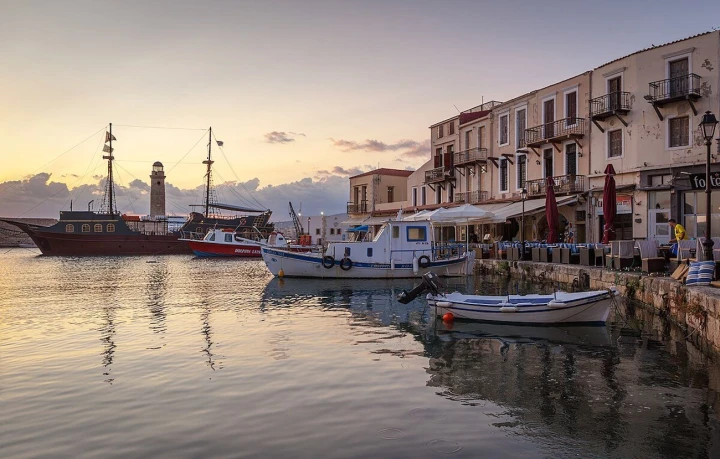
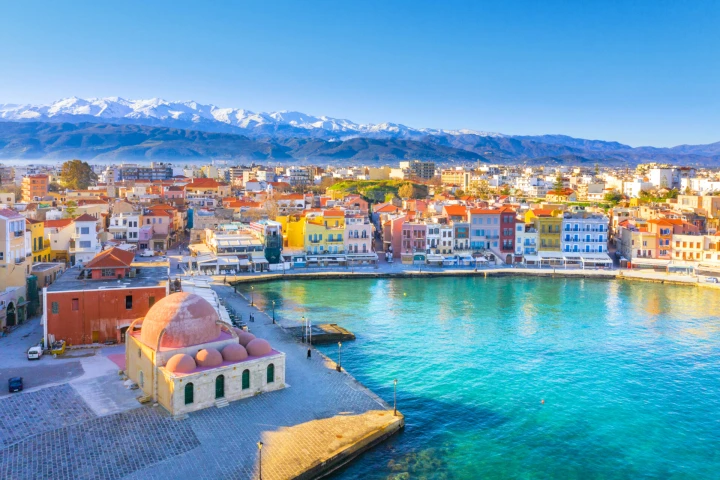
Architecturally, Crete reflects its complex history. Venetian harbours in Chania and Rethymno, Ottoman mosques, Byzantine churches, and stone mountain villages exist side by side. It is a visual landscape found nowhere else in Greece.

How does Crete's size compare to other popular islands?

To put it in perspective: Crete is around 100 times larger than Mykonos (85 km²) and roughly six times larger than Rhodes (1,401 km²). You can drive across Mykonos in 30 minutes. Crete stretches 260 kilometres from east to west and takes several hours to traverse end to end.


That scale creates distinct regions with their own character, climate, and pace. The east of the island feels different from the west. Mountain villages operate on a different rhythm to coastal towns. Three airports, Heraklion, Chania, and Sitia, reflect the island's regional spread and support year-round connectivity that seasonal operations on smaller islands cannot match.


The mountain ranges reach over 2,400 metres, creating microclimates that range from Mediterranean coastal conditions to near-alpine. The coastline extends over 1,000 kilometres, ranging from secluded coves to organised beach resorts. The variety is genuine rather than marketed.

Why is Crete's history and culture distinct?

Venetian rule lasted over 400 years, leaving an architectural legacy in the harbour towns that is immediately recognisable. Ottoman and Byzantine influences added further layers. The Cretan dialect absorbs traces of all of these, words from Venetian and Turkish sit alongside ancient Greek roots.


Traditional music here is built around the lyra and laouto, giving it a sound entirely different from the bouzouki-led mainland tradition. Cretan cuisine draws on local ingredients, wild greens, exceptional olive oil, aged cheeses, producing dishes like dakos and slow-cooked lamb with stamnagathi that reflect the land and its history.


Religious and festival traditions carry their own character too. Orthodox customs blend with older local practices, and celebrations like village panigiri and Orthodox Easter are observed with a seriousness and community involvement that visitors find striking.

What are the practical differences for property buyers?

Crete's size means it has the infrastructure to support year-round living in a way that smaller, seasonally driven islands cannot. Healthcare facilities, international schools, banking, legal services, and property management are available across the island rather than concentrated in one town or unavailable out of season.


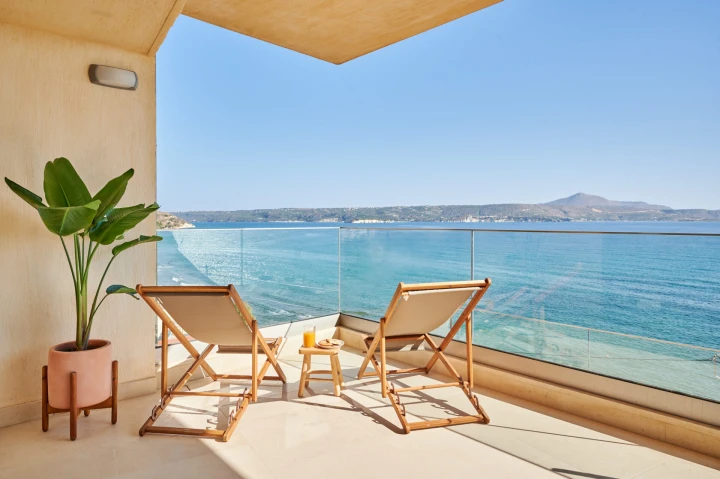
Property options are genuinely varied: coastal apartments, city-centre flats in Heraklion or Chania, rural stone houses, and larger villas. The market is established enough that buyers have real choice at different price points, and the process of buying is well-supported by local professionals experienced with international purchasers.


For permanent relocation, year-round flights into two main international airports make Crete more practical than islands that scale back connectivity after summer. Families have schooling options. Medical emergencies do not require a ferry transfer.

How do living costs compare?

Day-to-day costs on Crete are generally more stable than on premium tourist islands, where prices reflect a short, intense season and a captive market. Crete's permanent population and diverse economy keep competition in the local market year-round.


Fresh produce is available locally and affordably, reflecting the island's strong agricultural tradition. Restaurants outside the main tourist areas price for local custom as much as visitors. Healthcare is covered by the public system for residents, with private options available at reasonable costs relative to Northern Europe.


A car is necessary for getting the most out of the island, but fuel and running costs are competitive. Ferry connections to the mainland are regular and reasonably priced.


The expat community on Crete is well established, as Dutch, German, British, and French residents have been buying and living here for decades. That means support networks, international services, and social infrastructure already exist rather than needing to be built from scratch.

Crete or a smaller island — how do you decide?

It comes down to what you actually want. Crete suits buyers who want year-round usability, a full range of amenities, and a property that works as a home as much as a holiday retreat. The island offers enough variety that most buyers can find something that fits, coast, mountains, city or village.


Smaller islands like Mykonos or Santorini offer a specific aesthetic and a premium market, but limited permanent living infrastructure. The Ionian islands have their own character and appeal. None of them offer what Crete offers in terms of scale and self-sufficiency.


If you are still working out which part of Greece suits you, we are happy to talk it through. Our team is based in Crete and knows the island well.


Disclaimer: This content is for informational purposes only and does not constitute legal or tax advice. For guidance on your specific situation, we recommend consulting a lawyer, accountant, or notary as appropriate.

You might also like