The Famous Three In The West
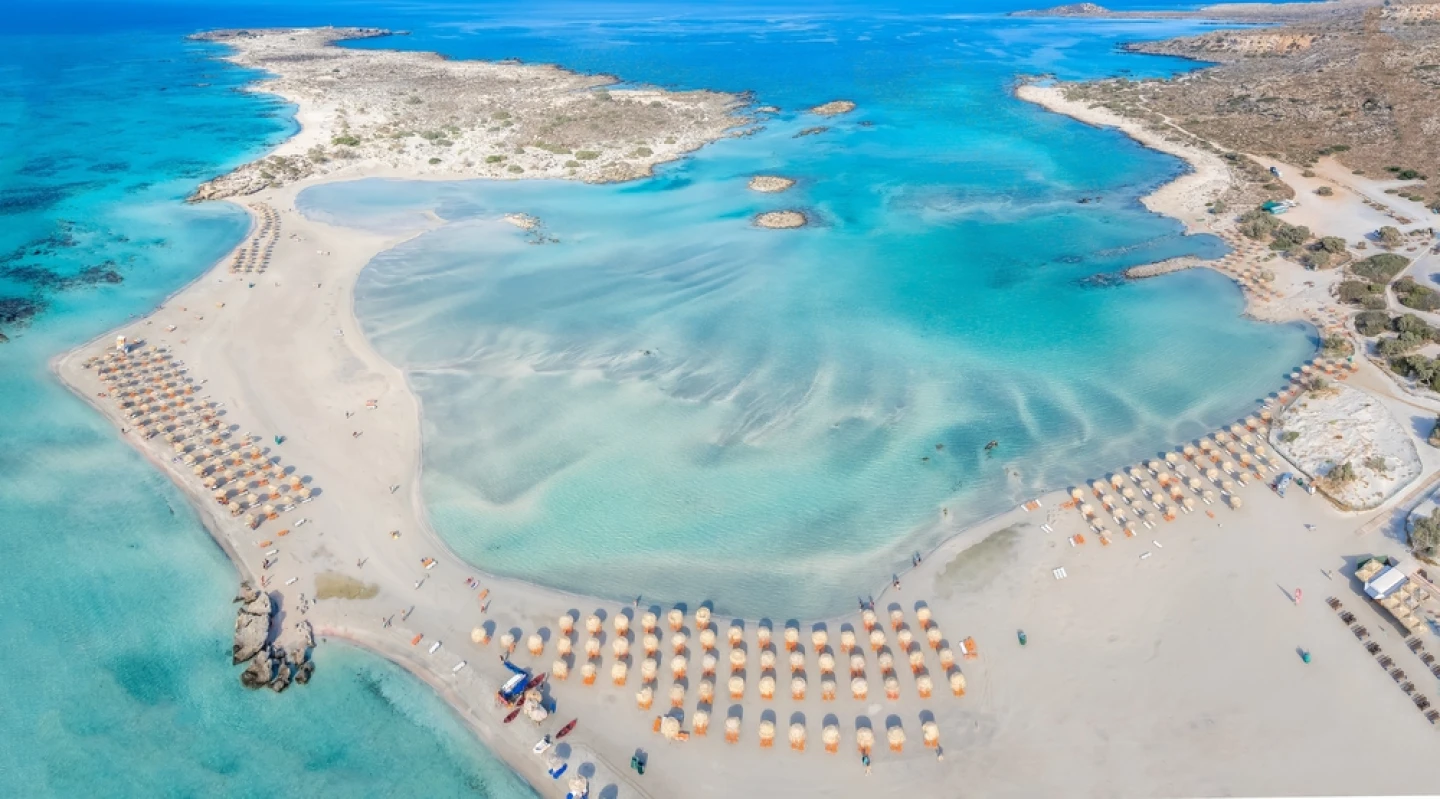
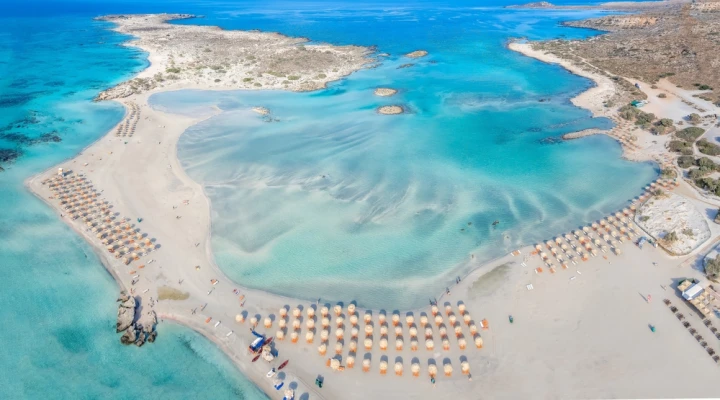
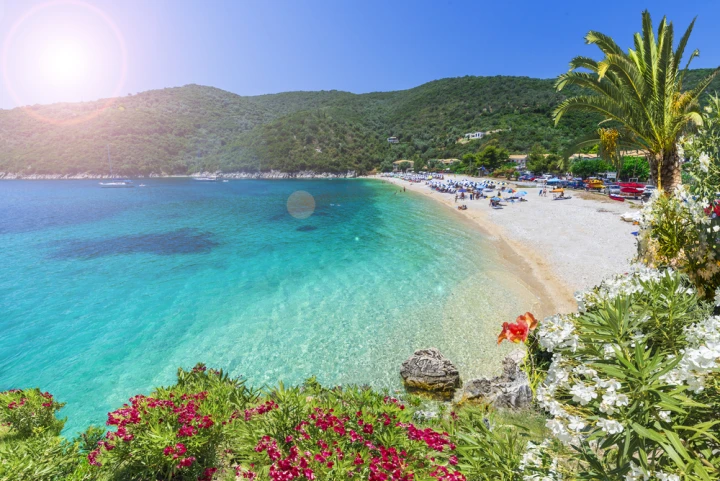
Elafonisi is the one on the postcards, and deservedly so: a shallow lagoon of warm, clear water over white and pink-tinged sand, the pink coming from crushed shell. It was named the world's best beach in Tripadvisor's 2025 awards, which tells you both how good it is and how busy it gets. It sits about 75 kilometres southwest of Chania; go early, and ideally in June or September. Balos, on the Gramvousa peninsula at the island's northwestern tip, is the turquoise lagoon from the aerial photographs. The picture is real; so is the access, which means either the boat from Kissamos or a rough road followed by a steep path, and recent seasons have brought visitor caps and reduced ferry capacity. Treat it as a planned half-day excursion, not a casual swim stop, and note that the lagoon itself is shallow and can be busy at midday. Falassarna, on the west coast below Balos, is the practical member of the trio: a long stretch of golden sand with parking, tavernas and sunbeds, open to the west for the best sunsets on the island. The same westerly exposure brings waves on windy days, which delights bodysurfers and deserves respect with small children.
The South Coast, For Those Who Like Their Beaches Wild
The Libyan Sea coast trades facilities for drama. Preveli, where a palm-lined river meets the sea below a monastery, is the most photogenic; the price of admission is a steep 20-minute path down and back up. Glyka Nera, between Chora Sfakion and Loutro, is reachable only on foot or by boat, with freshwater springs bubbling up through the pebbles that give it its name, Sweet Waters. Further afield, the beaches around Paleochora and the island of Gavdos reward travellers who measure a beach's quality partly by the effort it demands. Bring water, shade and a full phone battery; the south assumes self-sufficiency.
The East, Which Most Visitors Never Reach
Vai, near the island's eastern tip, fronts the largest natural palm grove in Europe, a genuinely surprising sight in the Aegean. The nearby beaches of Itanos add archaeology at the waterline, and Xerokambos in the far southeast offers some of the clearest water on the island with a fraction of the western crowds. The east is a long drive from the airports, which is precisely why it stays quiet.