Thessaloniki Metro Unveils Today New Logo Inspired by Byzantine Heritage
In The News
13.11.2024
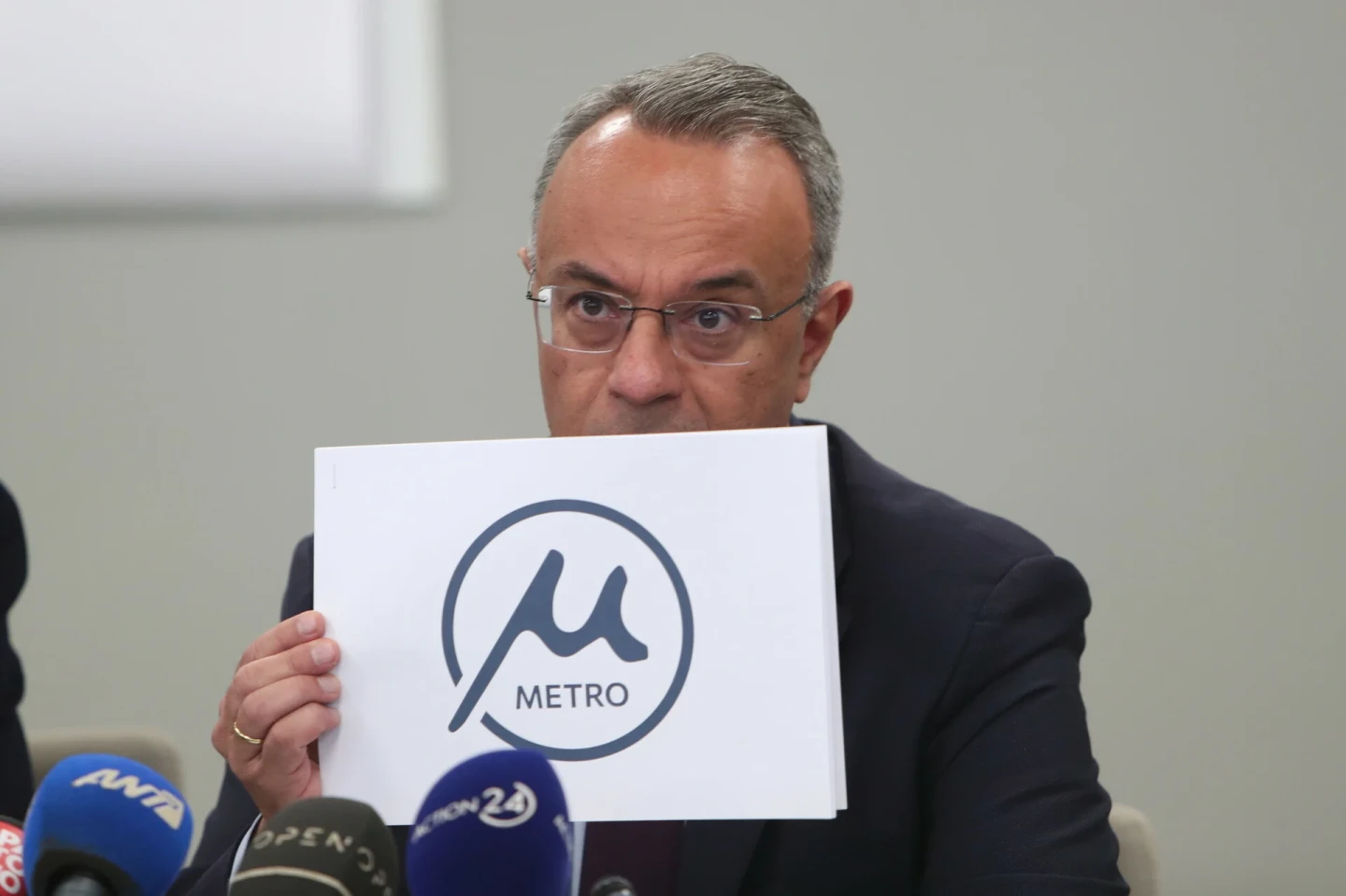
On Wednesday, Greece’s Minister of Infrastructure and Transport, Christos Staikouras, introduced the highly anticipated logo for the Thessaloniki Metro, a project soon to transform daily life in the city. Speaking from the Pylaia metro depot, Staikouras emphasized the significance of a logo that reflects both Thessaloniki’s deep historical roots and the innovative essence of the metro.
17 Days Until the Metro Launches
In just 17 days, Thessaloniki residents will experience the impact of a modern metro system poised to redefine urban commuting. “This metro is here to change the city’s day-to-day life,” Staikouras affirmed, underscoring that the new transit system will soon be part of Thessaloniki’s infrastructure.
A Symbolic “μ” Rooted in Tradition and Innovation
The logo’s “μ,” inspired by Byzantine ecclesiastical scripts, was carefully modernized to connect the metro with Thessaloniki’s cultural heritage. Tachiaos expressed the hope that this logo would gain international recognition as a symbol of Thessaloniki’s unique character and progress.
Nikos Tachiaos, Christos Staikouras | Photo: Vasilis Ververidis/MotionTeam
The Logo: An Intentional Design Choice
When conceptualizing the logo, designers aimed to encapsulate Thessaloniki’s historicity as a former Byzantine hub while also embracing a minimalist, contemporary feel. The decision to center the design on a lowercase “μ” was strategic, Staikouras explained. “We chose the lowercase ‘μ’ to reference the metro while distinguishing it from the capital ‘M’ widely used in other metro systems around the world. The simplified, Byzantine-inspired lowercase ‘μ’ blends authenticity with the modern spirit we want to associate with Thessaloniki’s metro identity.”
The result is a clean and highly recognizable logo suited to modern transit branding, ensuring clarity and ease of use across all applications. Staikouras added that the design’s distinctiveness would stand out on both local and international stages.

Photo Credit: Ververidis Vasilis
A Metro Identity Reflecting the City Itself
Deputy Minister of Infrastructure, Nikos Tachiaos, remarked on the broader symbolism of the logo, calling it a “reflection of Thessaloniki itself.” He noted that metro systems worldwide often mirror their host cities’ aesthetics, giving the example of New York City’s subway font, which has become synonymous with the city’s look and feel, even beyond the subway.
“Thessaloniki’s metro didn’t merely follow the initial design path of Athens’s metro. Over time, it has developed a unique character with different station layouts and a distinct aesthetic. Its identity has become an embodiment of the city itself,” Tachiaos stated. Key stations, such as Venizelou and Agia Sofia, will showcase archaeological layers, bridging Thessaloniki’s past with its future—a hallmark of the city’s dual role as a historical and forward-looking metropolis.
A New Era Begins November 30
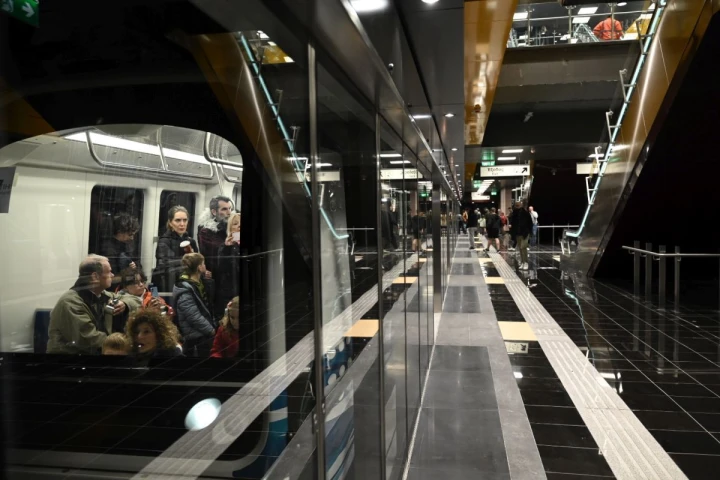
The Thessaloniki Metro is already a part of the city’s landscape, with trains now running in test phases along the network’s tunnels. The official launch on November 30 will be a landmark occasion, marking a significant step forward for Thessaloniki’s urban development and connecting its rich history with a modern, efficient future.
The globally recognized tourism publication, widely read by travel professionals, tourism organizations, and travelers around the world, compiled the ranking based on research and travel data. The list focuses on destinations that combine authentic experiences, cultural richness, and natural beauty with relatively accessible prices.
The TripAdvisor Travellers’ Choice Awards are based on millions of reviews and ratings submitted by travelers worldwide over 12 months. The awards highlight travelers’ favorite destinations, hotels, restaurants, and experiences, offering valuable insights for those planning their next getaway.
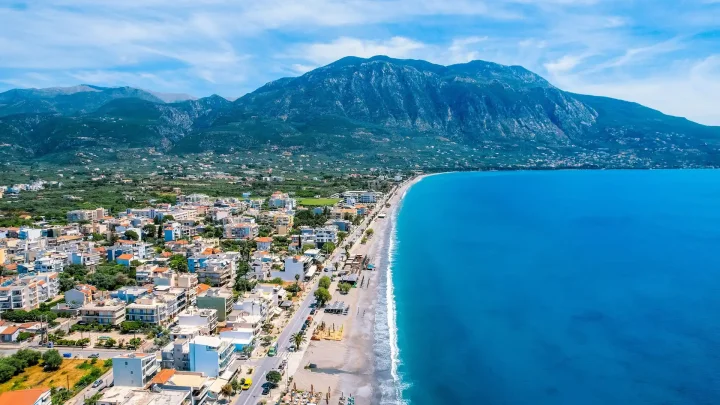
Located in the southwestern Peloponnese, Messinia offers a rare combination of unspoiled coastline, fertile landscapes, and deep historical roots—qualities that increasingly appeal to travellers and long-term visitors seeking a genuine Greek experience.