26.02.2026
Greece Achieves Record Tourism Numbers in 2025
Blog01.10.2025
Crete's public transport centers around the reliable KTEL bus network, connecting major cities like Heraklion, Chania, and Rethymno with regular services. While excellent for main routes and popular tourist destinations during the summer months, rural areas have limited coverage. The northern coastal corridor offers the best connectivity, with buses running every 30-60 minutes between cities. Costs are distance-based and affordable, though car rental remains popular for exploring remote beaches and mountain villages. Understanding the system's strengths and limitations helps visitors plan their island exploration effectively.
Public transport in Crete is moderately good, centred around the KTEL bus network that connects major cities and popular tourist destinations across the island. The system is reliable for main routes between cities like Heraklion, Chania, and Rethymno, though rural areas have limited service. Buses run regularly during tourist season but less frequently in the winter months.
Crete's public transport system relies primarily on the KTEL bus network, which operates comprehensive services across the island's four main regions. KTEL Heraklion-Lasithi covers the eastern part of the island, whilst KTEL Chania-Rethymno serves the western regions. These operators provide intercity connections, urban routes within major cities, and services to popular beaches and archaeological sites.
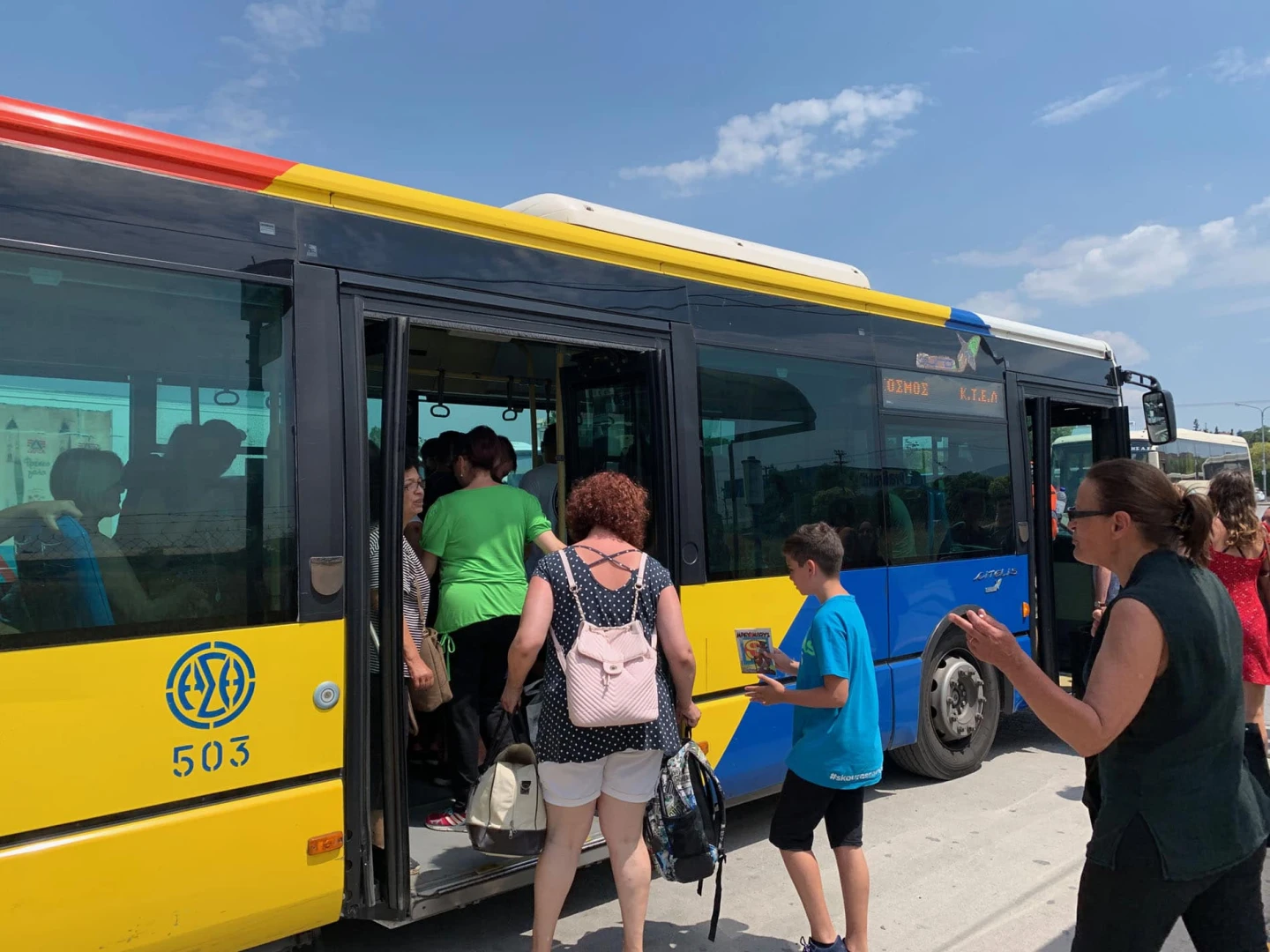
The Crete bus system includes modern, air-conditioned coaches for long-distance routes and smaller buses for local urban transport. Most buses display route information in both Greek and English, making navigation easier for international visitors. The network connects all major airports, ports, and tourist destinations, though coverage becomes sparse in mountainous inland areas. Bus stations in major cities like Heraklion and Chania offer facilities including ticket offices, waiting areas, and information desks with multilingual staff. The infrastructure has improved significantly over recent years, with digital displays showing departure times and route information at main terminals.
Crete transportation via buses is generally reliable on main routes, with intercity services running punctually throughout the day. Major routes between Heraklion, Chania, Rethymno, and Agios Nikolaos operate every 30-60 minutes during peak season. Urban buses within cities typically run every 15-30 minutes on primary routes. Frequency varies significantly between summer and winter months. During tourist season (May-October), services increase to accommodate visitor demand, with some beach routes operating every 20 minutes.
Winter schedules reduce frequency by approximately 30-50%, particularly affecting rural and coastal routes. Rural routes and services to smaller villages operate less frequently, often with only 2-4 departures daily. Weekend services are generally reduced, and some remote destinations have no Sunday service. Weather conditions rarely affect operations, though extreme situations may cause temporary delays on mountain routes.
The northern coastal corridor enjoys the best public transport connectivity, with frequent services linking Chania, Rethymno, Heraklion, and Agios Nikolaos. Major tourist destinations, including Knossos, Balos Lagoon, and Elafonisi Beach, have regular bus connections during the summer months. Urban areas within the four main cities offer comprehensive local bus networks. Heraklion provides excellent connections to the airport, port, and surrounding beaches. Chania's urban transport links the old town, port area, and nearby coastal resorts effectively.
Popular tourist beaches along the north coast, including Falassarna, Stavros, and Vai, have seasonal bus services. However, southern coastal areas and mountainous regions have limited connectivity. Villages in the Sfakia region, parts of the Lasithi plateau, and remote beaches often require private transport or organised tours. For those considering buying property in Greece, understanding transport links becomes crucial when evaluating locations for holiday homes or permanent residence.
Car rental remains the most popular alternative, offering complete flexibility to explore remote beaches, mountain villages, and archaeological sites. International and local rental companies operate from airports, ports, and city centres, with competitive rates especially for longer bookings. Taxi services are widely available in urban areas and tourist zones, though costs accumulate quickly for longer journeys. Many drivers speak basic English and offer fixed-price tours to popular destinations. Pre-booking is recommended during peak season. Organised tours provide convenient access to multiple attractions without driving concerns.
Tour operators offer day trips to Samaria Gorge, Balos Lagoon, and Spinalonga Island, including transport and guided commentary. These suit visitors preferring structured itineraries. Cycling and walking work well for local exploration, particularly in historic city centres and coastal paths. Several companies rent bicycles and electric bikes, though Crete's mountainous terrain limits cycling to specific areas. Motorcycle and scooter rentals offer middle-ground flexibility for confident riders.
Crete public buses operate on a distance-based fare system, with short urban journeys costing significantly less than intercity routes. Fares range from budget-friendly local trips to moderate charges for cross-island travel. Children under six travel free, whilst students and seniors receive discounted rates with proper identification. Payment methods include cash directly to the driver, though exact change is appreciated. Ticket offices at major bus stations sell advance tickets and provide route information.
Some urban routes accept contactless payment, though cash remains the most reliable option island-wide. Multi-day passes offer savings for frequent travellers, available at main terminals and some hotels. Group discounts apply for parties of ten or more passengers on intercity routes. Luggage restrictions apply, with additional charges for large suitcases on some services.
Understanding basic Greek phrases helps, though most drivers and station staff in tourist areas speak functional English. Bus stops often display information in Greek only, so having your destination written in Greek characters proves useful for rural routes. Arrive at bus stops 10-15 minutes early, particularly for intercity services, as departure times are generally adhered to strictly. Buses may not stop at every designated stop unless passengers signal clearly or others are waiting to board. Summer temperatures can be extreme, so choose air-conditioned intercity buses over local services for longer journeys.
Carry water and sun protection, as some stops lack shelter. Evening services have reduced significantly, particularly to beach destinations. Luggage space is limited on urban buses, whilst intercity coaches provide adequate storage. Accessibility features vary, with newer buses offering better facilities for passengers with mobility requirements. Plan alternative transport for very early morning or late evening travel when services are minimal.
Whether you're exploring Crete as a tourist or considering the island for property investment, understanding the transport options helps you make informed decisions about location and accessibility. For personalised advice about Crete's regions and their connectivity, feel free to contact our local experts who understand the island's infrastructure intimately.
Disclaimer: This content is for informational purposes only and does NOT constitute legal or tax advice. For any issues relating to specific cases, it is highly recommended to consult a lawyer, an accountant, or a notary, depending on your needs.
26.02.2026
10.02.2026
Could you see yourself with a place of your own in Greece, close to the coast and the Mediterranean lifestyle? If this idea seems appealing to you, the Second Home Expo in Antwerp is the perfect place to begin your journey.
On 7 and 8 March 2026, Antwerp Expo will once again welcome thousands of visitors, international property professionals, and second-home specialists under one roof. The Elxis team will be attending the fair to support anyone interested in buying real estate in Greece. With more than 100 participations over the years, Elxis remains a trusted and familiar presence at this event, and we're happy to give you the opportunity to visit the Expo for free.
The Second Home Expo is one of Europe’s leading exhibitions for buyers looking to invest in a holiday home, rental property, or a lifestyle destination abroad. With a unique combination of inspiration, expert guidance, and a wide selection of international properties, the expo offers everything you need to take your first step with confidence.
23.07.2025
26.03.2025
05.06.2023
30.03.2023
25.03.2023
01.12.2022


Blog
Blog
Blog
Blog
Blog
Blog
Blog