Where Does the Local Chania Live?
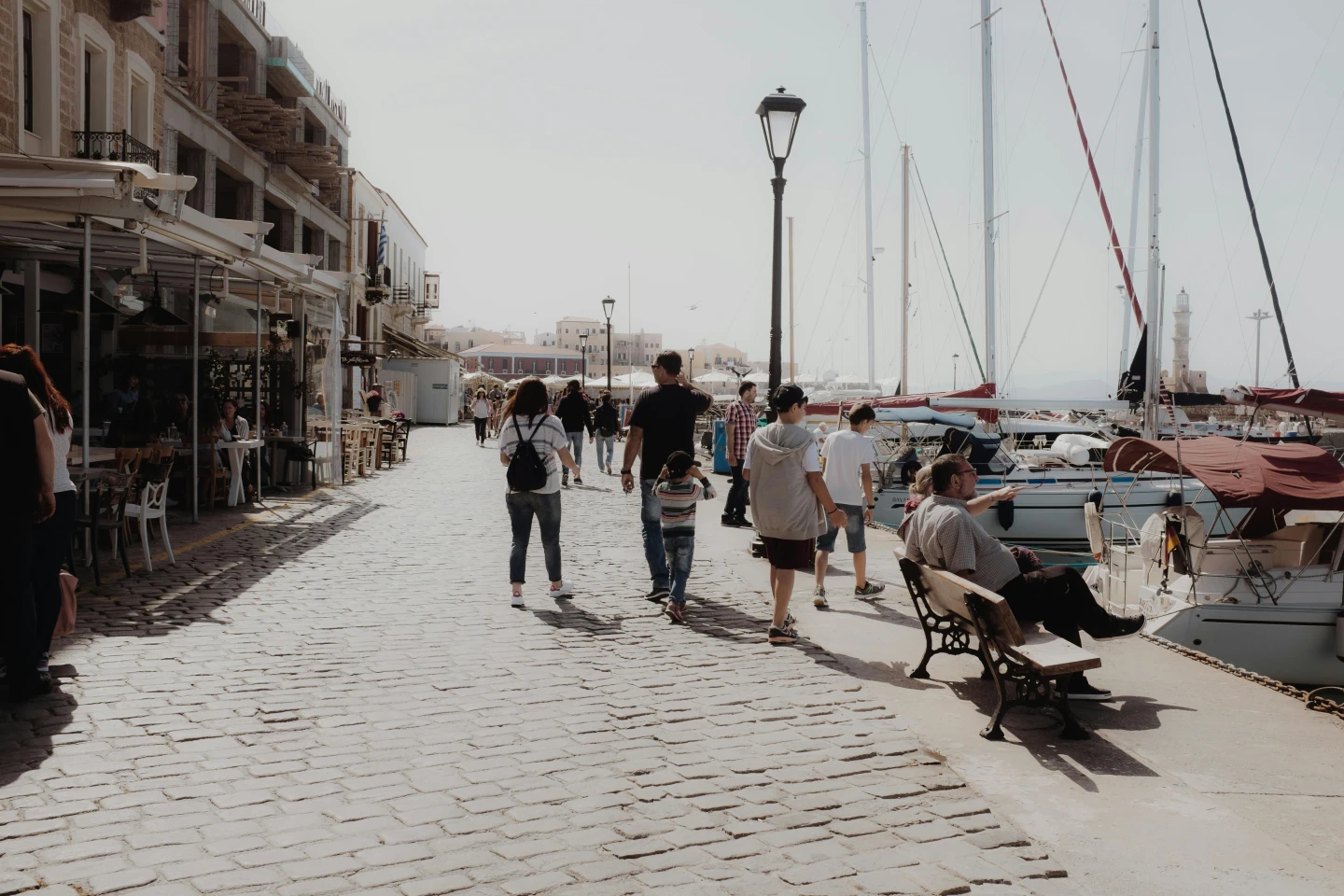
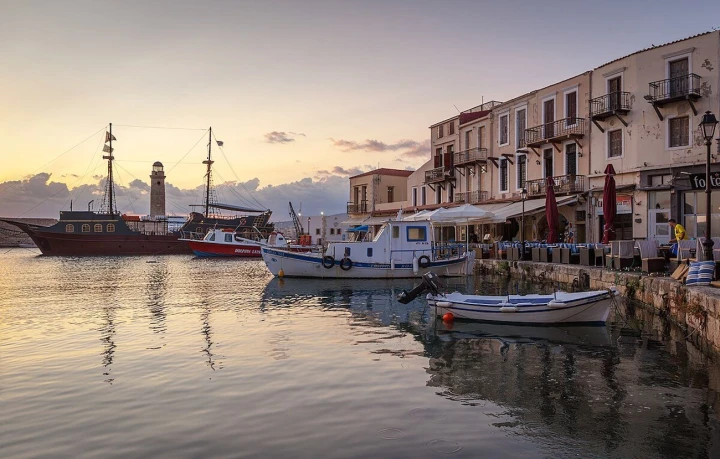
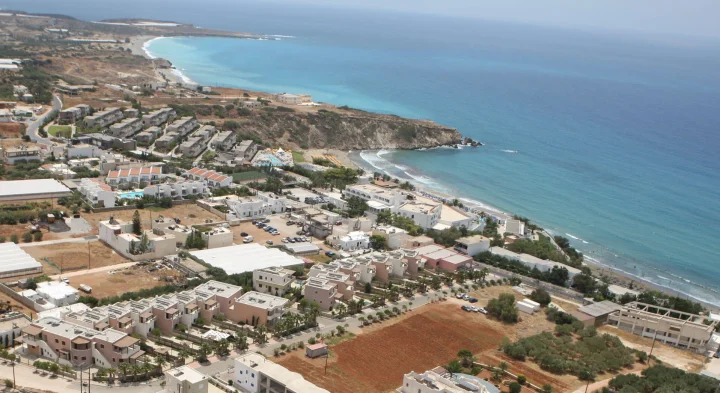
Closer than you would think. Splantzia, the quarter around the plane-shaded square east of the Kastelli hill, remains the old town's most local corner, all kafeneia, small parishes and tavernas where the menu may only reluctantly appear in English. Koum Kapi, the seafront promenade just outside the eastern walls, is where Chaniots take their evening coffee twelve months a year, and it is the single best place to calibrate what off-season life here feels like. Nea Chora, the beach district a ten-minute walk west of the harbour, fills with local families at the fish tavernas on summer evenings. The covered municipal market in the early morning, when it serves shoppers rather than browsers, remains a genuine slice of the working city, and the lanes south and east of the centre still hold workshops, leather workers, knife makers and the like, whose owners generally enjoy an interested visitor. None of this is hidden; it is simply offset, in place or in time, from the main flow.
What Does the Tourism Level Mean For Property Owners?
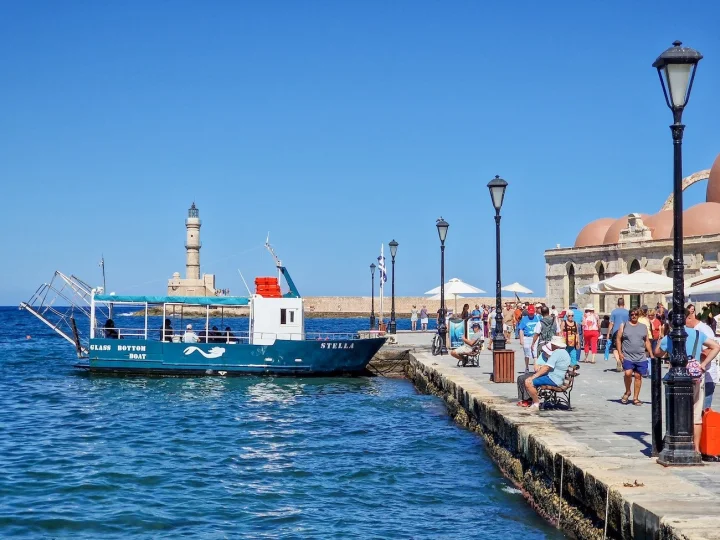
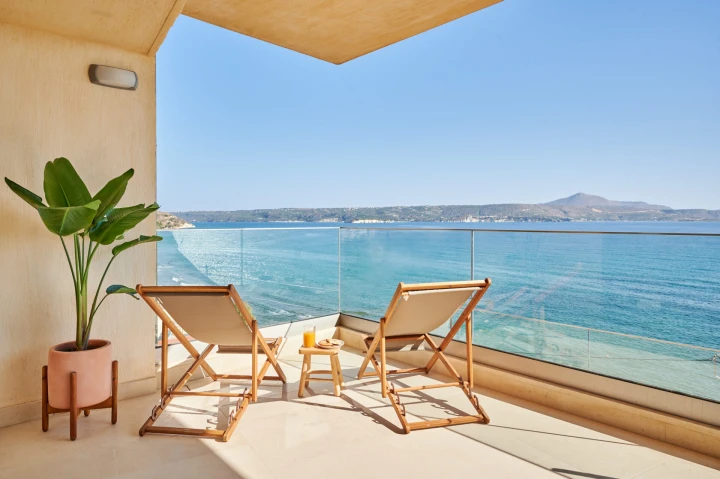
Both sides of the ledger deserve stating plainly, because we walk clients through this regularly. The favourable side: Chania's visitor volume underpins one of the strongest holiday rental markets in Greece, with a long season by Greek standards and reliable demand for well-located, well-presented properties. The same tourism economy sustains the infrastructure that owners benefit from year round: the airport's direct connections to Northern Europe, the restaurants, the services, the maintained old town.
The other side: central properties carry premium prices precisely because of that demand, summer brings noise and congestion to the most atmospheric streets, and short-term rentals operate under regulation that has been tightening across Greece, with registration requirements and evolving rules that any buyer with rental plans needs current advice on, not last year's blog post. Rental income is also seasonal: the summer carries the year, and winter projections should be conservative. The pattern we see most often succeed is the offset location: properties in Halepa, around Koum Kapi, in Nea Chora or in the villages of the Akrotiri and Apokoronas, which trade the harbour-view premium for better value, easier parking and year-round liveability, while keeping the city and airport within easy reach. Which side of that trade suits you depends on whether the property is primarily an investment, a holiday home or a future permanent base, and that is a conversation worth having before the viewing trip, not after.
So, Is Touristy a Problem?
Only if you fight it. Chania is popular for reasons that are entirely real, and its popularity funds the preservation of the very buildings everyone comes to see. The city rewards the visitor, or the owner, who works with its rhythms: mornings and shoulder seasons in the centre, evenings where the locals are, and a healthy distance from the harbour front in August. People have been discovering Chania for four thousand years; the trick has never been avoiding the others, only timing them.
Visitor figures and local measures mentioned are indicative as of 2026 and change over time. Short-term rental rules in Greece are subject to ongoing revision; seek current legal advice before purchasing with rental income in mind.