Why is Chania Cheaper Than the Famous Islands?
Structure, mostly. Crete is a large island with a year-round population, its own agriculture and a real economy beyond tourism. Chania is a working city of around 50,000 people, not a resort that exists only for visitors. That keeps everyday prices anchored to local incomes rather than to what a captive tourist will pay, and the sheer number of hotels, rooms and tavernas creates competition that small premium islands simply do not have. The same seasonal logic applies as everywhere in Greece: July and August command peak rates, while May, June, September and October offer near-identical weather at noticeably lower prices. Greek Easter also lifts prices for a week or two, even when it falls in the otherwise cheap spring.
How Much Does Accommodation Cost?
The widest-ranging cost of the trip, so book this first. As a guide for 2026:
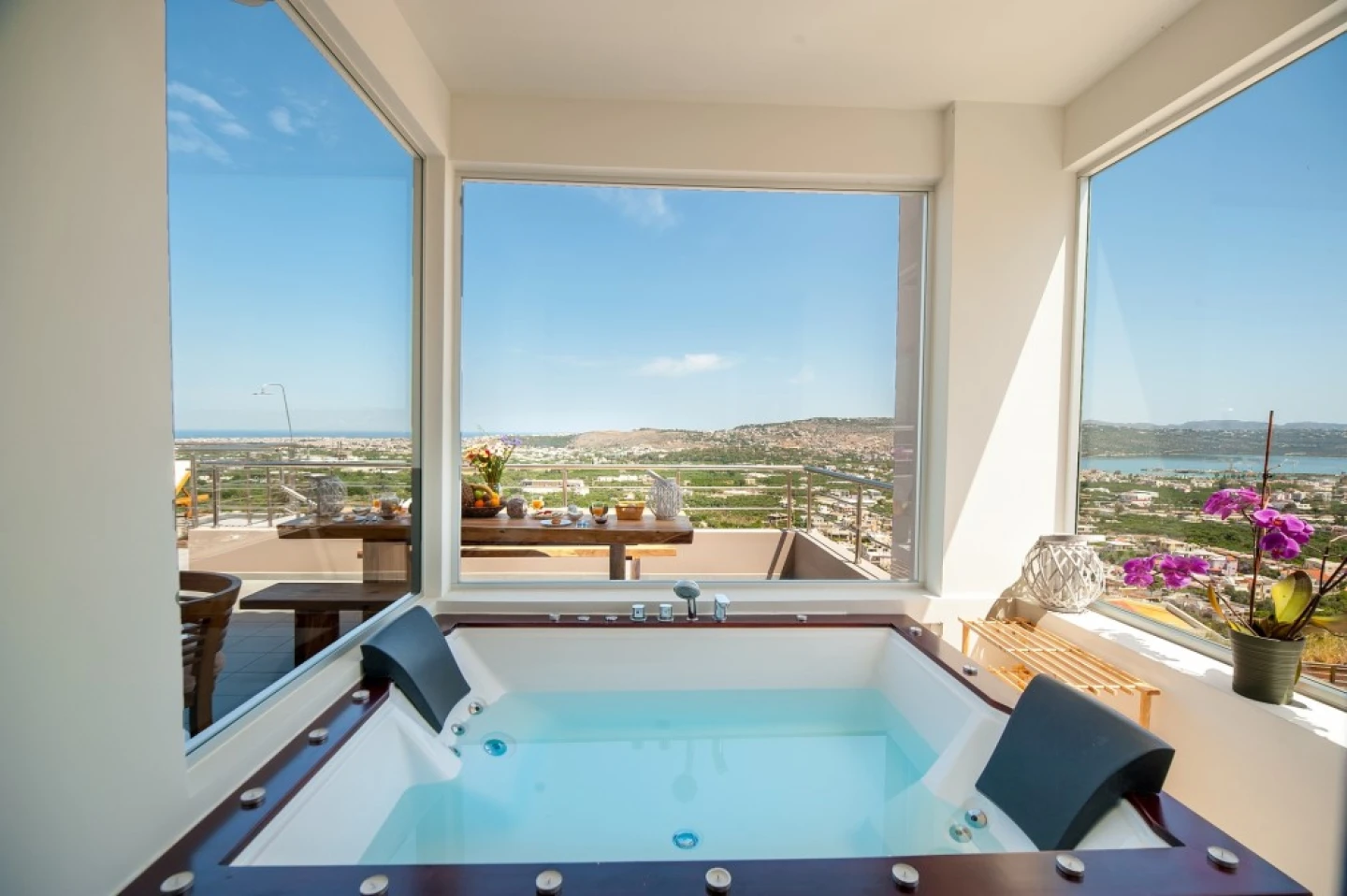
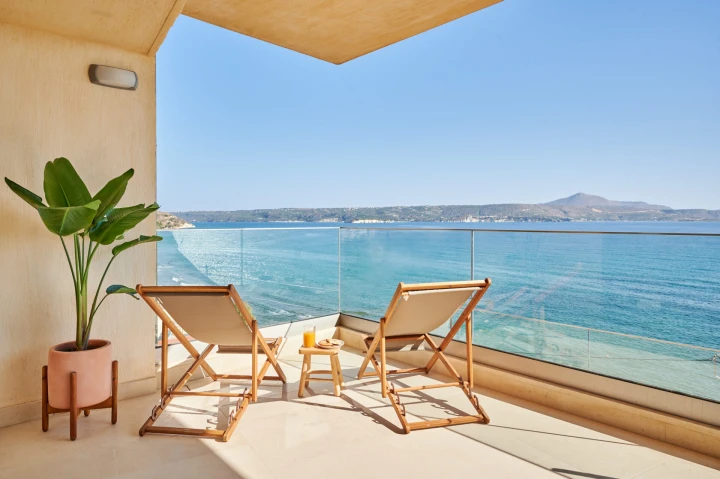
A simple double room or studio in shoulder season starts around €50 to €70 per night, rising towards €100 or more for the same room in August. Mid-range hotels and the boutique guesthouses of the old town typically run €110 to €220 per night depending on season and view. Luxury properties start around €260 and climb steeply from there, which is still modest next to Santorini or Mykonos, where comparable rooms routinely cost double. Location carries a premium: a restored Venetian townhouse inside the old town costs meaningfully more than an equivalent room a fifteen-minute walk away, and harbour views are the most expensive square metres in the city. In winter, rates drop to their lowest, though some seasonal properties close entirely.
What Do Meals Cost?
Eating well is where Chania over-delivers. Indicative prices in 2026:
A gyros or souvlaki wrap from a street-food shop costs €3 to €5, and bakeries sell excellent cheese pies and bougatsa for similar money, which is how locals handle breakfast and quick lunches. In a typical neighbourhood taverna, expect roughly €10 to €15 for a main course, €5 to €8 for salads and meze, and around €3.50 to €4.50 for a beer. A relaxed taverna dinner for two with house wine generally lands between €40 and €60. The waterfront premium is real: restaurants on the Venetian harbour front charge noticeably more than near-identical kitchens two streets inland, where the food is often better. Fresh fish is priced by the kilo everywhere and is the one item that can surprise on the bill, so ask the price when ordering. Two customs worth knowing. Bread usually appears on the bill as a small cover charge, typically under a euro per person; it is not free, despite what some guides claim. What genuinely is free comes at the end: most Cretan tavernas bring a complimentary raki and a small dessert with the bill. It is one of the island's most reliable pleasures and accepting it graciously is part of the ritual.
What Do Attractions Cost?
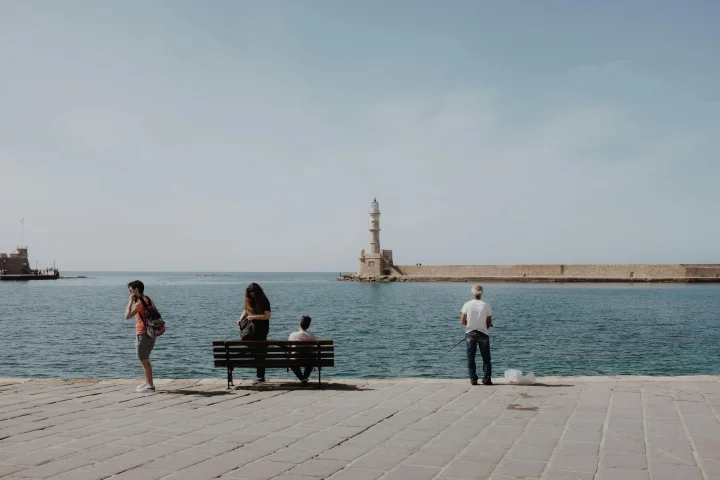
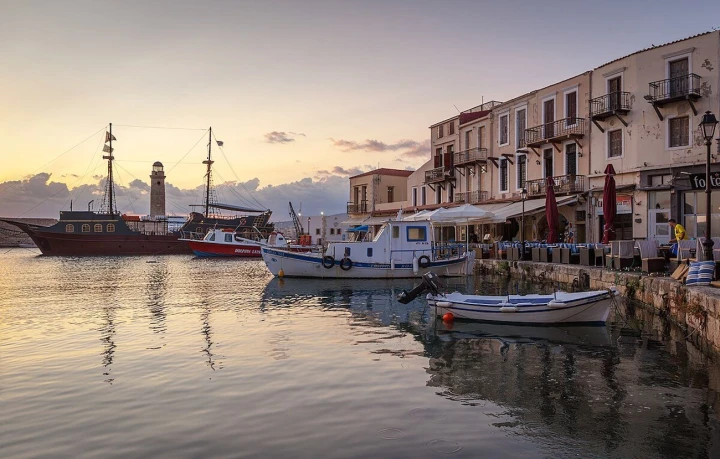
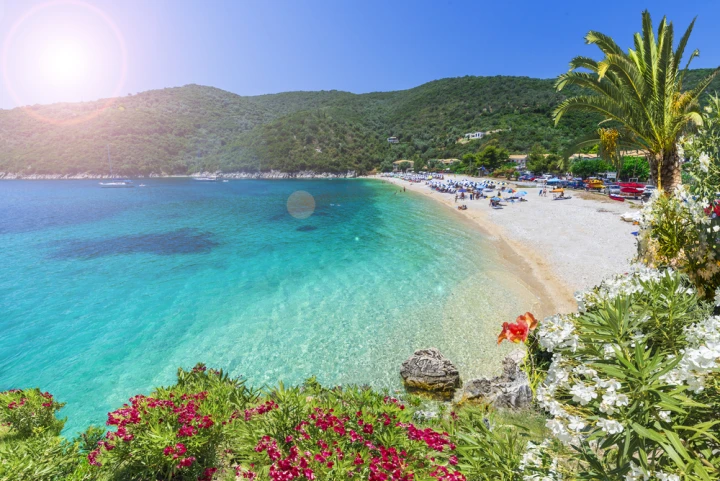
Chania's single best attraction costs nothing: the old town and the Venetian harbour are an open-air museum, and the walk along the breakwater to the lighthouse, the covered municipal market and the beaches west of the centre are all free. For paid sites, current fees give a fair picture: the new Archaeological Museum of Chania in Halepa charges €15, the Byzantine Collection €5, and the ancient site of Aptera just outside the city €10. The Samaria Gorge, western Crete's signature day out, has an entry fee of €10, plus transport. Organised excursions are the biggest discretionary spend: guided gorge hikes and boat trips to Balos or the southern coast typically run €30 to €60 per person depending on what is included.