
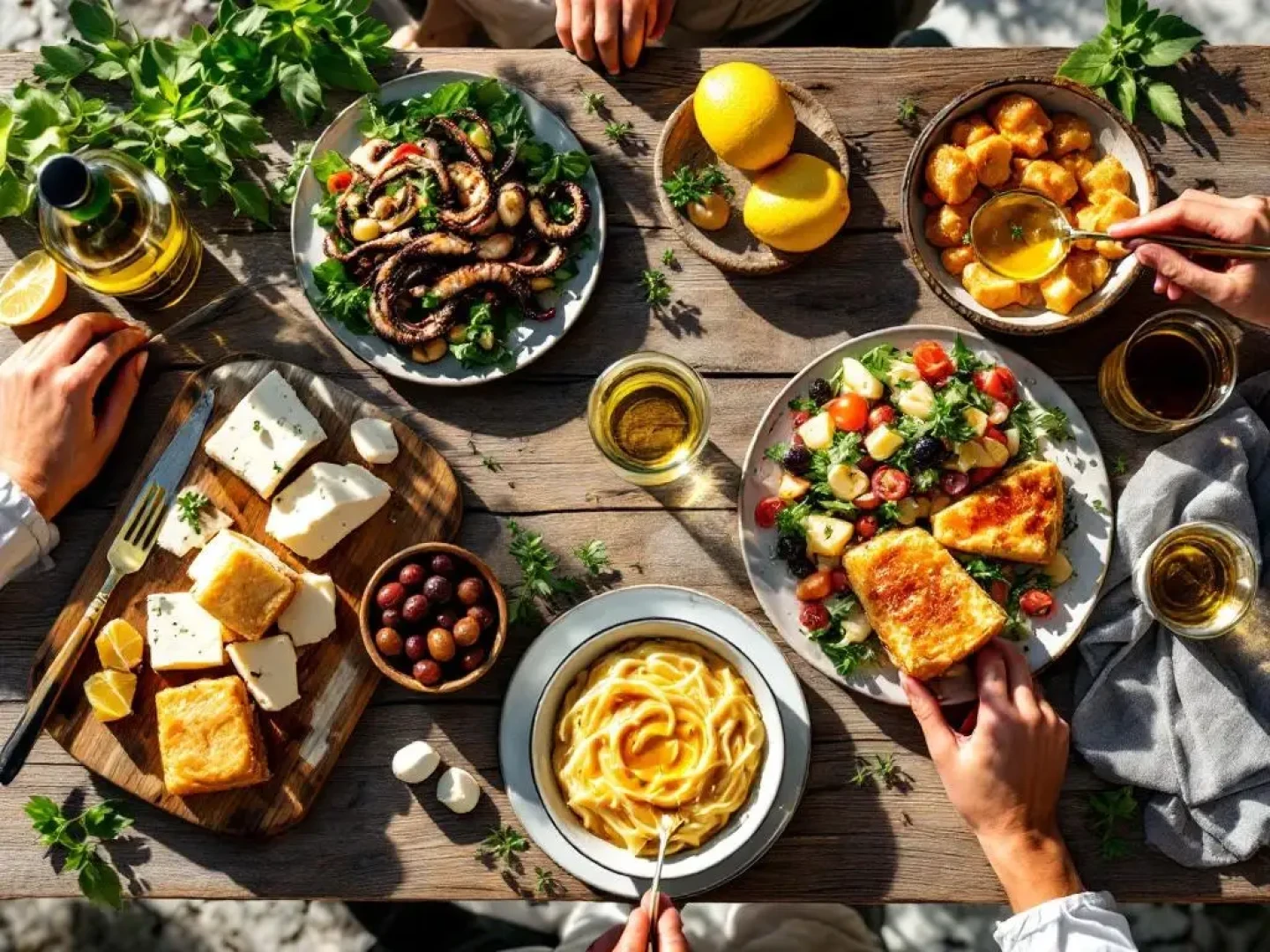
The Peloponnese offers an extraordinary culinary experience featuring traditional Greek dishes like pastitsio and souvlaki, world-renowned Kalamata olives and olive oil, fresh seafood from coastal waters, and exceptional local wines. This historic peninsula combines authentic tavernas, mountain village restaurants, and seasonal ingredients that create a gastronomic paradise for both visitors and property owners seeking the authentic Greek lifestyle.
Discovering the Peloponnese: a culinary journey through Greece's historic peninsula
The Peloponnese stands as one of Greece's best gastronomic destinations, where ancient culinary traditions meet modern dining excellence. This historic peninsula offers an unparalleled food culture that has attracted international visitors and property buyers seeking an authentic Mediterranean lifestyle.
The region's diverse landscape, from coastal fishing villages to mountainous inland areas, creates distinct culinary zones. Each area contributes unique flavors and specialties that reflect centuries of cultural heritage. Coastal towns like Kalamata and Nafplio serve exceptional seafood, whilst mountain villages offer hearty traditional dishes made with locally sourced ingredients.
For those considering property investment, the culinary appeal significantly enhances the lifestyle proposition. Holiday homeowners enjoy access to fresh local markets, traditional tavernas, and the opportunity to experience genuine Greek hospitality. The region's growing reputation as a food destination also supports strong rental potential for vacation properties.
What are the most famous traditional dishes in Peloponnese?
One of the most famous is syglino, a traditional cured pork dish from the Mani Peninsula. The meat is smoked and preserved with local herbs, creating a distinctive flavor that reflects the area's rustic food traditions. Another Maniot favorite is lalagia, crispy fried dough strips that are often served as a snack or alongside meals.
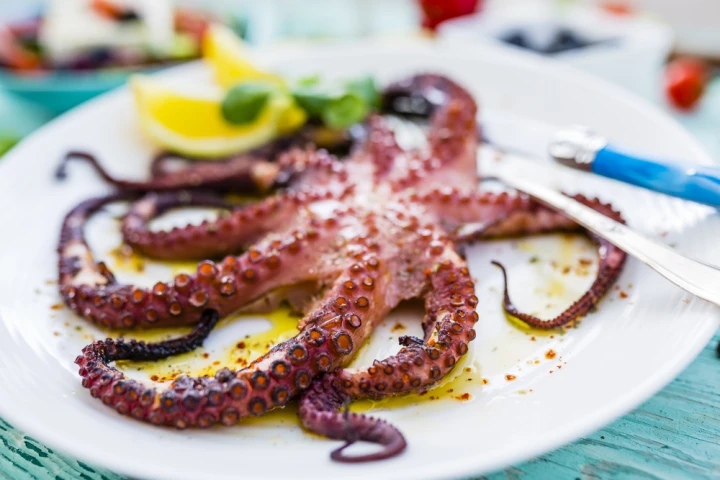
The region is also renowned for its seafood. Fresh grilled octopus, sardines, and sea bream feature prominently on menus in coastal towns such as Nafplio, Gytheio, and Kalamata. These dishes are typically prepared simply with olive oil, lemon, and herbs to highlight the quality of the ingredients.
In the mountainous areas of Arcadia, hearty dishes are more common. Traditional lamb and goat stews, slow-cooked meats, and seasonal vegetable dishes reflect the agricultural heritage of the interior. Wild greens, mushrooms, and locally produced cheeses are also important ingredients in many regional recipes.
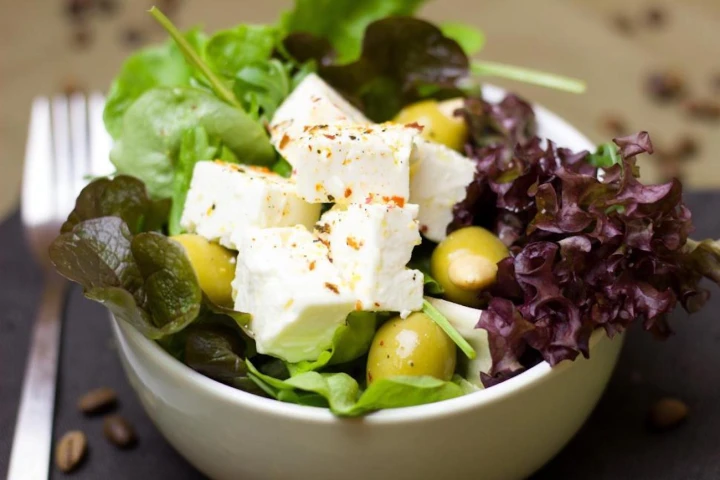
No discussion of Peloponnese cuisine would be complete without mentioning Kalamata olives, which are among Greece's most famous food products. They are often served alongside local cheeses such as feta and graviera, accompanied by the region's highly regarded extra virgin olive oil.
Where can you find the best restaurants in Peloponnese?
The finest dining experiences in Peloponnese span from coastal tavernas to charming mountain village establishments. Kalamata's restaurant scene combines traditional Greek cuisine with contemporary presentations, attracting both locals and international visitors.
Nafplio offers sophisticated dining options within its historic old town, where restaurants occupy beautifully restored buildings with views of the fortress and harbour. The town's culinary reputation significantly contributes to its property values, making it a sought-after location for holiday home buyers.
Patras provides diverse dining experiences, from waterfront seafood restaurants to traditional mezze houses in the city centre. The university town atmosphere creates a vibrant food scene that appeals to various tastes and budgets.
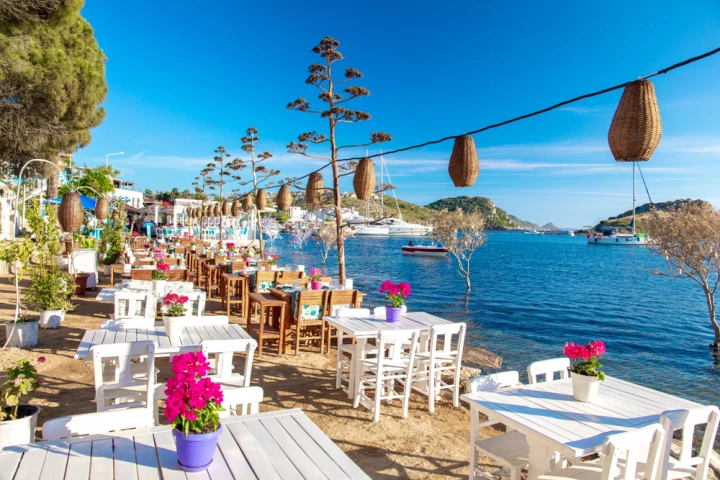
Smaller coastal villages like Stoupa, Kardamyli, and Gythio host authentic tavernas where families have served traditional recipes for generations. These establishments offer intimate dining experiences that showcase local ingredients and time-honoured cooking methods, creating memorable experiences for property owners and their guests.
What makes Peloponnese olive oil so special?
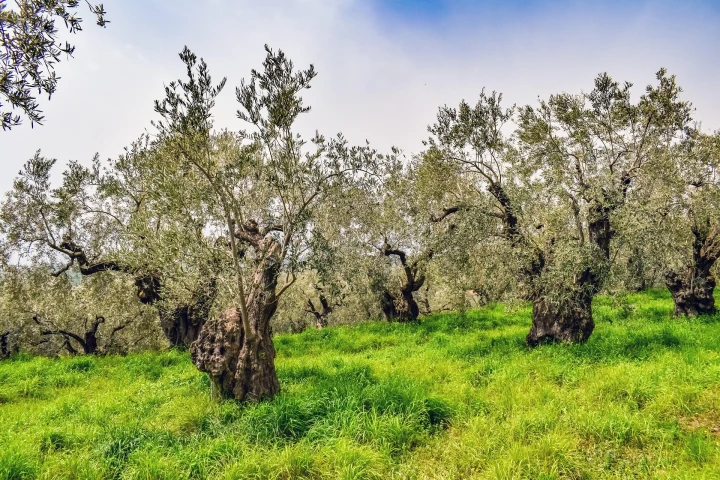
Kalamata olives and the peninsula's extra virgin olive oil represent the pinnacle of Greek olive production. The region's unique climate, with hot, dry summers and mild winters, creates ideal conditions for olive cultivation. The volcanic soil in certain areas, particularly around Kalamata and Messinia, imparts distinctive mineral qualities to the olives. Traditional harvesting methods, including hand-picking at optimal ripeness, ensure superior quality that distinguishes Peloponnese olive oil in international markets. Ancient olive groves dot the landscape, with some trees dating back centuries. These mature trees produce olives with complex flavour profiles that reflect the peninsula's terroir. The olive oil industry forms a cornerstone of the regional economy, supporting local communities and maintaining traditional agricultural practices.
For property owners, proximity to olive groves offers both aesthetic appeal and practical benefits. Many holiday homes feature olive trees on their land, providing fresh olives and oil whilst connecting owners to the region's agricultural heritage. This authentic connection to local food production enhances the overall ownership experience.
How does Peloponnese wine culture enhance the local experience?
The peninsula's emerging wine regions showcase indigenous grape varieties that thrive in the Mediterranean climate. Nemea, famous for its Agiorgitiko red wines, leads the region's wine renaissance with modern wineries combining traditional methods with contemporary techniques. Mantinia's high-altitude vineyards produce exceptional white wines from the Moschofilero grape, offering crisp, aromatic wines perfect for the warm climate. These distinctive varieties provide wine experiences unavailable elsewhere, adding unique appeal for discerning property buyers.
Vineyard tours and wine tastings have become popular activities, contributing to the region's tourism appeal. Many wineries offer guided experiences that combine wine education with stunning countryside views, creating memorable experiences for holiday home owners and their guests.
The growing wine tourism sector supports property values in wine-producing areas. Buyers seeking the complete Greek lifestyle often prioritize locations near quality wineries, appreciating both the cultural experience and investment potential that wine tourism brings to local communities.
What seasonal ingredients define Peloponnese cuisine?
Peloponnese cuisine follows a natural seasonal calendar that maximizes fresh, local ingredients throughout the year. Spring brings wild greens like horta, fresh herbs, and early vegetables that appear in traditional dishes and modern restaurant menus. Summer abundance includes tomatoes, aubergines, courgettes, and fresh seafood from warmer waters. This season offers the greatest variety for outdoor dining and entertaining, perfect for holiday homeowners hosting guests during peak vacation periods. Autumn harvest time provides olives, grapes, and nuts, whilst winter brings heartier ingredients like root vegetables and preserved foods. This seasonal variety ensures year-round culinary interest, supporting both permanent residents and vacation rental properties.
The consistent availability of quality ingredients throughout the year enhances the appeal for property owners who value fresh, local food. Access to farmers' markets, local producers, and seasonal specialties creates an authentic Mediterranean lifestyle that many international buyers seek.
Other Things to know
How much should I budget for dining out regularly in the Peloponnese?
Dining costs in the Peloponnese are generally affordable compared with many Western European destinations. Traditional tavernas typically offer excellent meals for around €15–25 per person, while higher-end restaurants in locations such as Nafplio and Kalamata often range from €30–50 per person. Many property owners find they can enjoy frequent dining out while benefiting from high-quality local ingredients and authentic regional cuisine.
Can I grow my own olive trees and produce olive oil on my Peloponnese property?
Yes. Many properties in the Peloponnese include existing olive groves or land suitable for planting olive trees. Newly planted trees generally begin producing fruit after 3–5 years, although substantial yields typically take longer to develop. If you own mature trees, you can harvest olives and have them processed at a local olive mill. Many property owners work with local producers or cooperative mills, making olive cultivation an enjoyable way to connect with the region's agricultural traditions.
What's the best way to connect with local food producers and farmers' markets?
Most towns host weekly farmers' markets (laiki agora), where residents can buy fresh produce, olive oil, honey, cheese, and other products directly from local producers. Asking local residents, neighbors, or property professionals about market schedules is often the easiest way to get started. Building relationships with local taverna owners can also lead to introductions to trusted suppliers, while many wineries and olive oil producers welcome visitors interested in learning more about their products.
Are there cooking classes or culinary experiences available for property owners?
Yes. The Peloponnese offers a wide range of culinary experiences, from traditional cooking classes and village food tours to wine tastings and olive oil workshops. Popular destinations such as Nafplio, Kalamata, Monemvasia, and Pylos provide numerous opportunities to learn local recipes and cooking techniques. Some local families also host private cooking experiences that offer a more personal introduction to regional cuisine.
How does the seasonal nature of ingredients affect year-round property rental potential?
Seasonal ingredients can actually enhance a property's rental appeal. Visitors can enjoy different culinary experiences throughout the year, from spring wild greens and summer seafood to autumn harvest products and winter comfort foods. Many successful holiday rentals highlight these seasonal food experiences and provide guests with information about local markets, festivals, and regional specialties available during their stay.
What food-related amenities should I consider when choosing a property location?
Proximity to quality tavernas, weekly markets, and local producers can significantly enhance both everyday living and rental appeal. Properties located near traditional villages, coastal towns, local fish markets, wineries, or olive-producing areas often provide a richer lifestyle experience. Areas such as Kalamata are particularly well known for their olives and olive oil, while regions like Nemea attract visitors interested in wine tourism.
How can I ensure my holiday rental guests have authentic culinary experiences?
Creating a personalized guide to local tavernas, market days, wineries, and seasonal specialities can greatly enhance your guests' experience. Many property owners also provide recommendations for cooking classes, food tours, and local producers. Welcome baskets featuring regional products such as olive oil, olives, wine, honey, and local cheeses are a popular way to introduce visitors to the flavors of the Peloponnese from the moment they arrive.
Why is Peloponnese becoming a top destination for culinary tourism and property investment?
The Peloponnese combines authentic culinary experiences with growing international recognition as a food destination. This reputation attracts visitors seeking genuine Greek culture, supporting strong rental demand for holiday properties. The region's accessibility from Athens, combined with diverse landscapes and culinary offerings, creates appeal for various buyer segments. Food enthusiasts appreciate authentic tavernas and local producers, whilst investors recognize the growing tourism potential.
Infrastructure improvements and increased international flights support the region's development as a culinary destination. These factors contribute to rising property values, particularly in areas known for exceptional dining and local food culture. The combination of lifestyle appeal, cultural authenticity, and investment potential makes the Peloponnese particularly attractive for international buyers. The region offers both immediate enjoyment through its exceptional food culture and long-term value through growing tourism demand.
For those considering property investment in this remarkable region, professional guidance ensures a smooth acquisition process. To explore opportunities in Greece's culinary heartland, feel free to contact our experienced team for personalized assistance with your property journey.
Disclaimer: This content is for informational purposes only and does NOT constitute legal or tax advice. For any issues relating to specific cases, it is highly recommended to consult a lawyer, an accountant or a notary depending on your needs.