
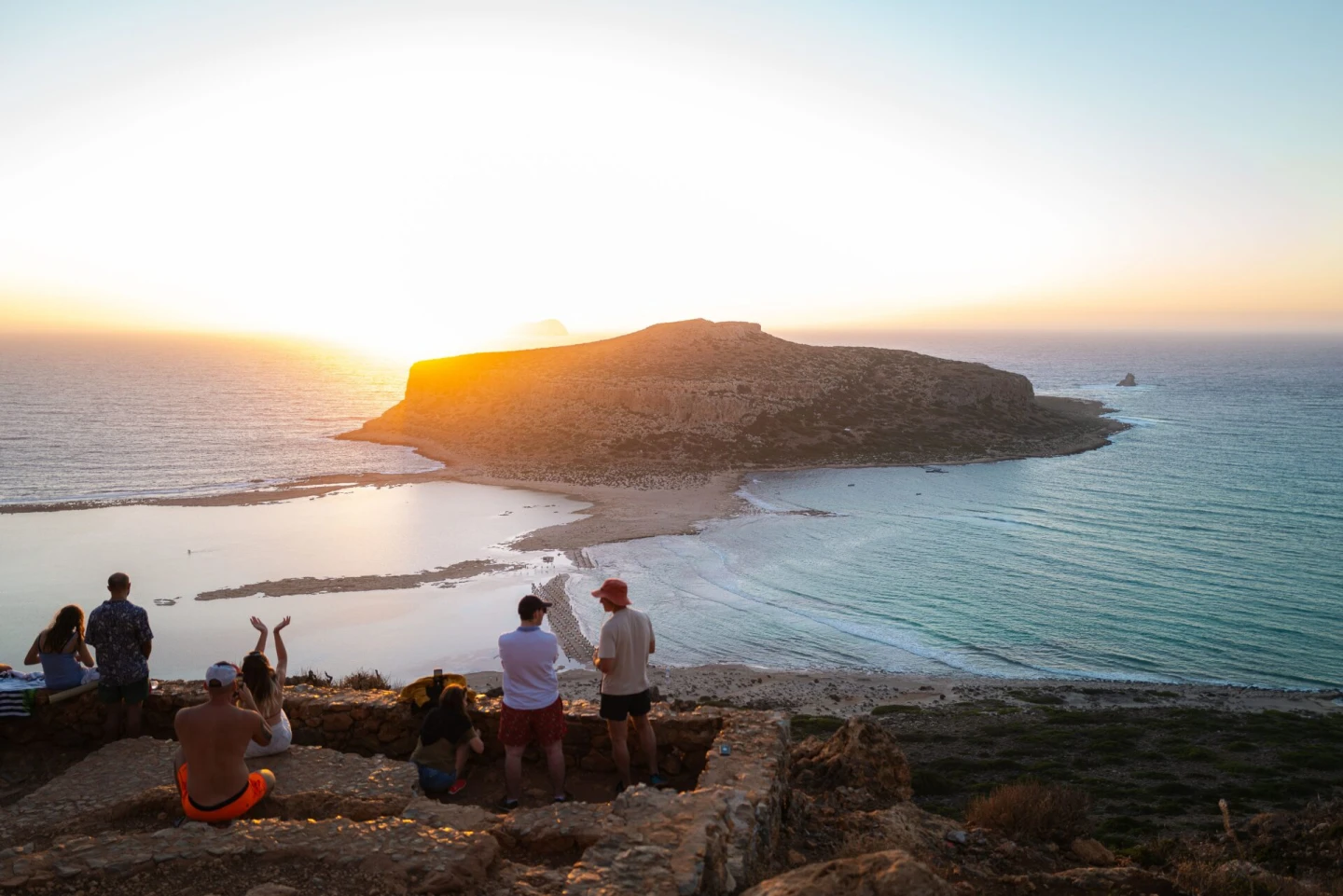
Discover Greece's largest island through its most captivating destinations, from the ancient Minoan Palace of Knossos to the world-famous pink sands of Balos Lagoon. Crete offers unparalleled diversity with pristine beaches, charming mountain villages, and archaeological treasures spanning 4,000 years of history. Explore hidden gems like car-free Loutro village, hike through Europe's longest gorge at Samaria, and wander the romantic Venetian streets of Chania's old town for an unforgettable Mediterranean adventure.
Crete stands as Greece's largest and most diverse island, offering an extraordinary blend of ancient Minoan heritage, stunning beaches, traditional mountain villages, and vibrant cultural centres. From the legendary Palace of Knossos to the pink sands of Balos Lagoon, Crete provides attractions that showcase both natural beauty and millennia of history across its varied landscapes.
What makes Crete different from other Greek islands?
Crete distinguishes itself as Greece's largest island with unmatched diversity in landscapes, culture, and historical significance. Unlike smaller Greek islands, Crete spans 8,336 square kilometres and features everything from snow-capped mountains to pristine beaches, ancient Minoan palaces to Venetian harbours, more like a small country than a typical island.
The island's Minoan heritage sets it apart from other Greek destinations. As Europe's first advanced civilisation, the Minoans left behind spectacular archaeological sites including Knossos, Phaistos, and Malia. These ancient palaces predate classical Greek civilisation by over a millennium, offering visitors a window into sophisticated Bronze Age culture with advanced architecture, art, and engineering.
Crete's cultural identity blends Greek traditions with Venetian, Ottoman, and Byzantine influences. This richness manifests in local cuisine, architecture, music, and customs that differ noticeably from other Greek islands. The island's size also allows for diverse microclimates and ecosystems, from the alpine environment of the White Mountains to subtropical palm forests, experiences that simply aren't possible on smaller islands.
Which ancient sites should you prioritise when visiting Crete?
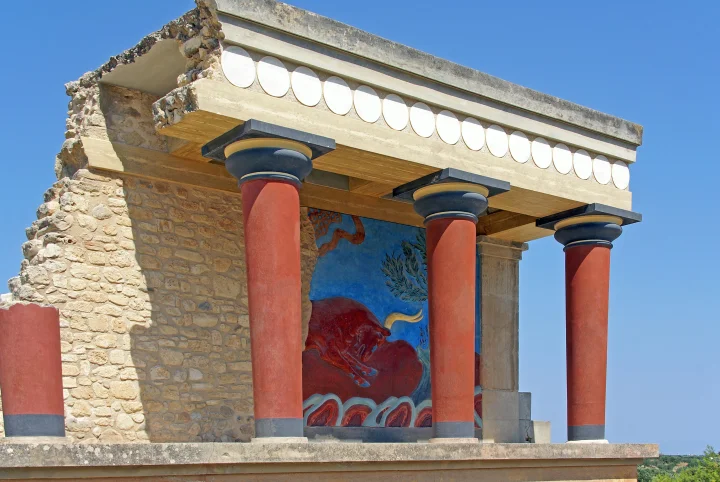
Knossos Palace tops the list as Crete's most significant archaeological site and Europe's oldest city. Located near Heraklion, this Minoan palace complex dates to 1900 BCE and showcases advanced Bronze Age civilisation through reconstructed frescoes, throne rooms, and sophisticated drainage systems that demonstrate remarkable engineering.
Phaistos offers a more authentic archaeological experience with less reconstruction than Knossos. This southern palace site provides views across the Mesara Plain and houses the famous Phaistos Disc, an undeciphered ancient script. The site's original stone foundations give visitors a clearer sense of ancient Minoan architecture without modern interventions.
Malia Palace, the third major Minoan centre, presents excellent preservation and fewer crowds. Located on the northern coast, it features the mysterious Chrysolakkos complex and offers insight into Minoan religious practices. Gortyna, near Phaistos, showcases later periods with Roman ruins and the famous Law Code of Gortyn, Europe's oldest legal inscription, carved into stone walls.
Where can you find the most beautiful beaches in Crete?
Balos Lagoon ranks among the world's most photographed beaches, its distinctive pink sand created by crushed shells and coral. Located on the Gramvousa Peninsula in northwestern Crete, the shallow lagoon features turquoise waters and requires either a boat trip or a challenging hike.
Elafonisi Beach offers another pink sand experience in southwestern Crete, more accessible than Balos but equally striking. The shallow waters and small islet connected by a sandbar create an atmosphere unlike most European beaches. During summer it can become crowded, so early morning or late afternoon visits tend to work best.
For those seeking less-visited options, Seitan Limania (Stefanou Beach) near Chania provides dramatic cliff-enclosed turquoise waters accessible via a steep hiking trail. Preveli Beach combines river mouth freshwater with Mediterranean saltwater, creating a unique ecosystem with palm trees and natural pools. Both offer real beauty with far fewer visitors than the more famous pink sand beaches.
What are the most charming traditional villages to explore in Crete?
Archanes represents authentic Cretan village life just 15 kilometres south of Heraklion. This wine-producing village features well-preserved traditional architecture, local tavernas serving regional specialities, and proximity to important Minoan sites. It has won European awards for architectural preservation.
Kritsa, near Agios Nikolaos, maintains its traditional character as one of Crete's oldest villages. Narrow stone streets wind between whitewashed houses, leading to the famous Panagia Kera church with Byzantine frescoes. Local artisans still practice traditional crafts, and the village offers genuine mountain atmosphere without tourist commercialisation.
Loutro, accessible only by boat or hiking trail, sits quietly on the southern coast. This car-free village features traditional white houses facing a protected bay with clear waters. Spili, in the island's interior, is known for its Venetian fountains, traditional coffee houses, and mountain setting surrounded by olive groves and cypress trees.
How do you experience Crete's natural wonders and outdoor activities?
Samaria Gorge provides Europe's longest gorge hiking experience, stretching 16 kilometres through the White Mountains to the Libyan Sea. This challenging day-long trek passes through diverse ecosystems, ancient cypress trees, and the famous Iron Gates, where canyon walls narrow to just four metres wide.
The Lasithi Plateau offers a different experience entirely — a high-altitude plain dotted with traditional windmills and agricultural fields. This fertile mountain valley provides hiking opportunities, visits to the Dikteon Cave (the mythical birthplace of Zeus), and a glimpse into traditional Cretan farming life.
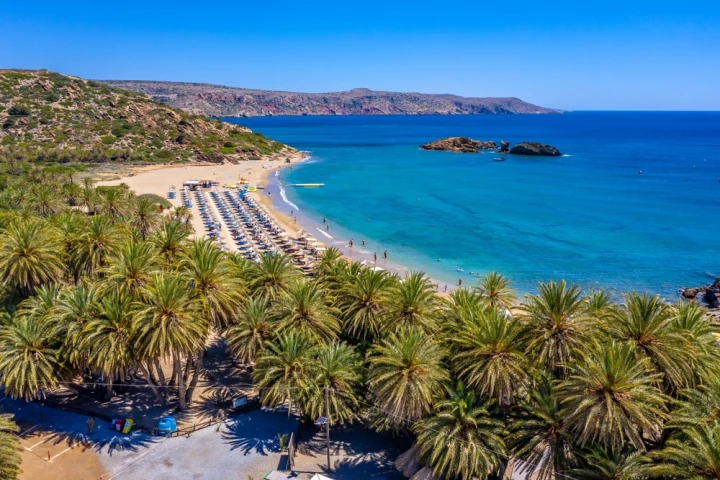
Vai Palm Forest creates a striking contrast on Crete's eastern coast, with Europe's largest natural palm forest. The unique Phoenix theophrasti palms produce a beach setting found nowhere else in Europe. Other outdoor options include the Imbros Gorge as a shorter alternative to Samaria, the Melidoni Cave, and natural swimming pools throughout the island's mountainous interior.
Which cities and towns offer the best cultural experiences in Crete?
Chania's old town provides the most atmospheric cultural experience, with its well-preserved Venetian harbour, lighthouse, and narrow cobblestone streets. The old quarter combines Venetian, Ottoman, and Greek architectural elements, a fitting setting for evening walks, waterfront dining, and exploring artisan workshops.
Heraklion serves as Crete's cultural capital, housing the world-class Archaeological Museum with the finest collection of Minoan artefacts. The city's Venetian fortress, Koules, guards the harbour, while the historic centre features the Venetian Loggia, traditional markets, and excellent restaurants. Heraklion combines urban energy with easy access to Knossos and other archaeological sites.
Rethymno is known for its well-preserved medieval old town, with the massive Venetian Fortezza fortress and Ottoman-era mosques and minarets. The picturesque harbour and narrow streets make it a natural base for cultural exploration. Agios Nikolaos offers a more relaxed pace around the Voulismeni Lake, with waterfront cafés, local museums, and proximity to the Elounda area.
Whether you are drawn to ancient Minoan history, Mediterranean beaches, or traditional village life, Crete rewards every kind of visit. For those thinking about owning property here, our team is available to walk you through the process and help you find the right fit.
Disclaimer: This content is for informational purposes only and does not constitute legal or tax advice. For specific cases, we recommend consulting a lawyer, accountant, or notary depending on your needs.