How Does The Lifestyle And Culture In Thessaloniki Compare To Athens?
Daily life in Thessaloniki generally feels more compact and easier to navigate than Athens. The city is smaller, the centre is more walkable, and many everyday destinations, cafes, restaurants, shops, museums, offices, the seafront, and nightlife areas are concentrated within a relatively manageable urban core. Commutes are usually shorter than in Athens. Current traffic data puts Thessaloniki's average one-way commute at around 28 minutes, compared with around 37 minutes in Athens, although public transport journeys can still take longer depending on the route. This gives Thessaloniki a more accessible daily rhythm, especially for people living close to the centre.
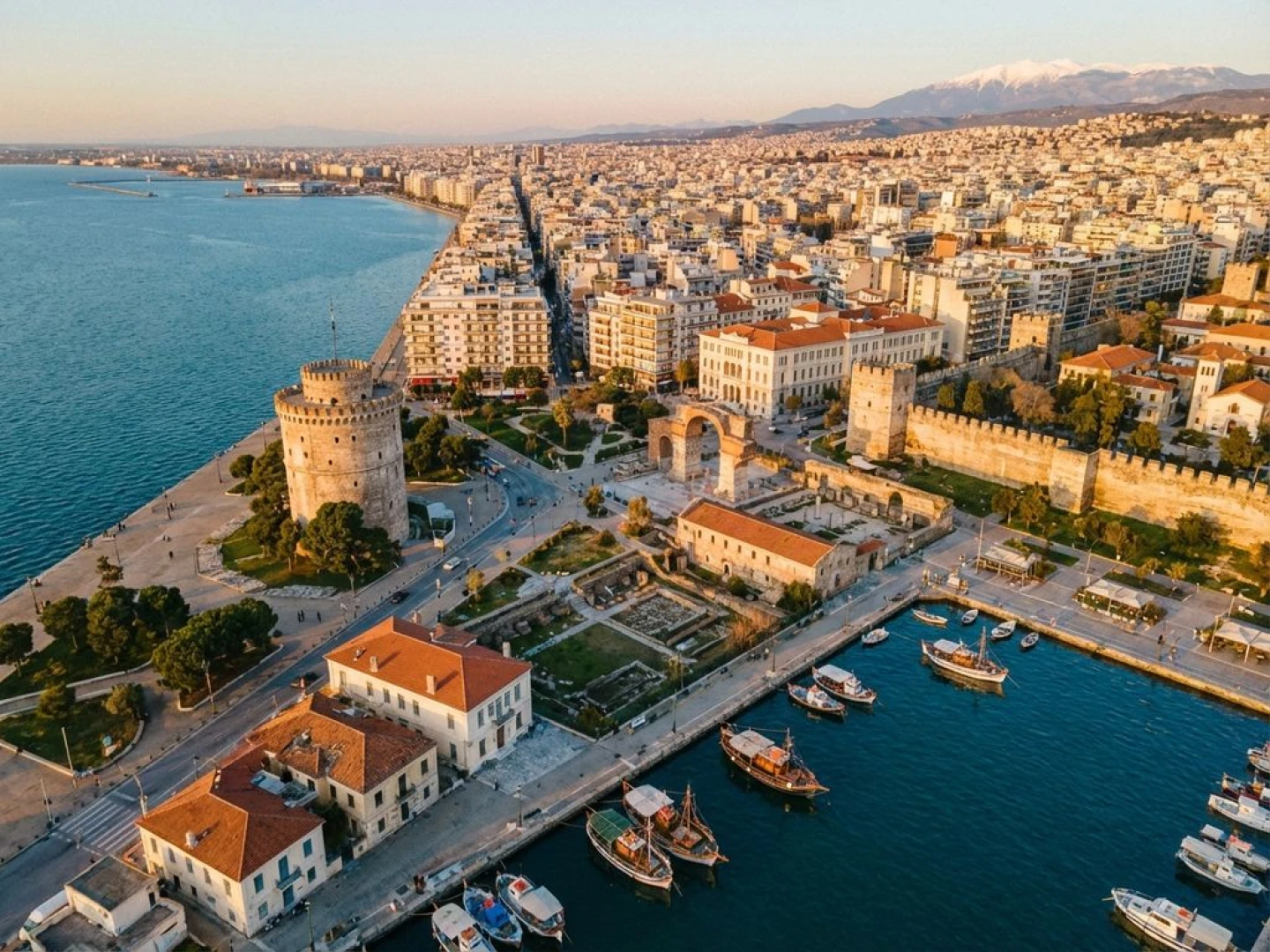
Culturally, Thessaloniki has a strong year-round identity. The city is known for its film festival, music events, exhibitions, university life, food scene, and layered history. Its cultural venues are more concentrated than in Athens, making it easier to combine daily life with evening events, dining, and social activities. Food is one of Thessaloniki's strongest advantages. The city's cuisine reflects Byzantine, Ottoman, Balkan, Jewish, Pontic, and Asia Minor influences, and Thessaloniki is recognised by UNESCO as a City of Gastronomy. Traditional tavernas, pastry shops, markets, and modern restaurants sit naturally alongside each other, giving the city a food culture that feels both local and lively. Compared with Athens, Thessaloniki usually offers a slower and more social pace. Athens has more scale, more international flights, more corporate headquarters, and a larger cultural scene overall. Thessaloniki, by contrast, offers a more manageable Mediterranean city lifestyle: easier distances, strong neighbourhood character, lower pressure, and close access to the sea.
What Should You Know About Housing And Neighbourhoods In Thessaloniki?
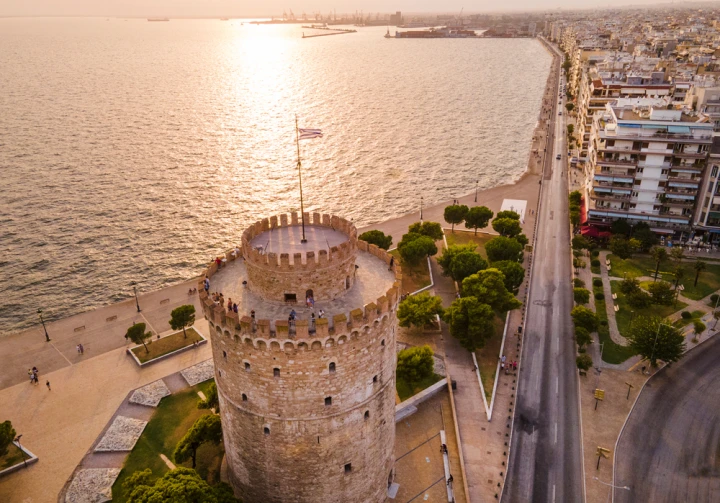
Thessaloniki's neighbourhoods offer different living styles within a relatively compact urban area. The historic centre is ideal for those who want to be close to restaurants, shops, cultural venues, the waterfront, and many of the city's landmarks. It offers character and convenience, but buyers should also consider noise, older building stock, limited parking, and renovation needs. Ano Poli, the Upper Town, has a more traditional atmosphere, with historic architecture, narrow streets, and panoramic views over the city and the Thermaic Gulf. Some properties have strong character, but older homes may require careful technical and legal checks before purchase, especially if renovation is needed. Eastern areas such as Kalamaria, Nea Krini, and parts of Pylaia are popular with families and residents looking for a more residential setting. Kalamaria in particular is known for its seaside access, quieter pace, local shops, cafes, and better chances of finding properties with balconies, parking, or more modern layouts.
Western neighbourhoods such as Evosmos, Stavroupoli, Ampelokipoi, and Menemeni usually offer more affordable housing options and practical access to the centre, although the feel, infrastructure, and investment profile vary from area to area. Public transport connects the main neighbourhoods, but frequency depends on the route and time of day. The metro has improved movement across the city's main east-west axis, while buses remain important for areas not directly served by metro stations. For residents living centrally or close to metro and frequent bus routes, car ownership can be less necessary. In suburban areas, or for families with daily cross-city movement, a car may still be useful. From an investment perspective, Thessaloniki has seen strong price recovery in recent years. Apartment prices recorded double-digit annual increases in 2023 and parts of 2024, according to figures reported from Bank of Greece data. That said, buyers should avoid assuming that past price growth will continue at the same pace. Rental returns depend heavily on the neighbourhood, property condition, renovation costs, tenant profile, and whether the property is used for long-term or short-term rental.
How Easy Is It For Foreigners To Settle And Integrate In Thessaloniki?
For many international residents, Thessaloniki is an approachable city to settle in. It is large enough to offer universities, hospitals, professional services, cultural events, international companies, and an active social scene, but small enough to feel manageable in daily life. The city's university population and growing international business activity make English useful in many settings, especially in real estate, legal services, private healthcare, hospitality, and international workplaces. Many lawyers, accountants, doctors, and real estate professionals work with foreign clients and can provide support in English or other European languages. That said, basic Greek makes everyday life much easier. English may be enough in professional and central environments, but Greek helps with public services, local shops, neighbours, technicians, official paperwork, and deeper social integration. Even a simple effort to use the language is often appreciated.
Practical steps such as opening a bank account, setting up utilities, arranging insurance, and dealing with residence paperwork depend on the resident's nationality and personal situation. EU citizens generally face a simpler process than non-EU citizens, while residence permits for third-country nationals depend on the relevant permit category and documentation. Some tasks can be completed within a few weeks when paperwork is ready, but residence procedures can take longer. Healthcare access includes both public and private options. Thessaloniki has major hospitals, private clinics, diagnostic centres, and specialist doctors. Many international residents choose private insurance for faster access to appointments and private facilities. Costs vary depending on age, health profile, and level of coverage, so monthly premiums should be treated as an estimate rather than a fixed figure.
Social integration usually comes through everyday routines: neighbourhood cafes, local markets, festivals, language classes, university events, sports, professional networks, and friendships with Greek colleagues or neighbours. Thessaloniki's pace is more personal than Athens, and many residents value the city for its strong neighbourhood feel, food culture, walkable centre, and year-round social life. For anyone considering Thessaloniki as a new European base, the city offers a practical mix of affordability, culture, urban convenience, and Mediterranean lifestyle. The key is to choose the right neighbourhood, understand the legal and tax requirements early, and get professional advice before making property or relocation decisions.
Prices, transport arrangements and administrative procedures change over time; treat specifics as indicative and verify current details when planning. This content does not constitute legal or tax advice; for matters specific to your situation, consult a lawyer, accountant or notary as appropriate.

 Regional Guides