Skip to content

Is Thessaloniki a Good Place to Buy Property?

Regional Guides

09.02.2026

Thessaloniki is emerging as one of the more interesting property markets in Greece. It is not a holiday destination in the traditional sense, there are no famous beaches or iconic views that dominate the international imagination, but for buyers who want urban quality, genuine lifestyle appeal, and a market that is still growing, it presents a compelling case.

What makes Thessaloniki attractive for property investment?

Thessaloniki is Greece's second-largest city, with a population exceeding one million according to the 2021 census, and the second-largest economic, industrial, and commercial centre in the country. It is home to Aristotle University, the largest university in Greece with approximately 90,000 students, which creates consistent and year-round rental demand that purely seasonal destinations cannot offer.


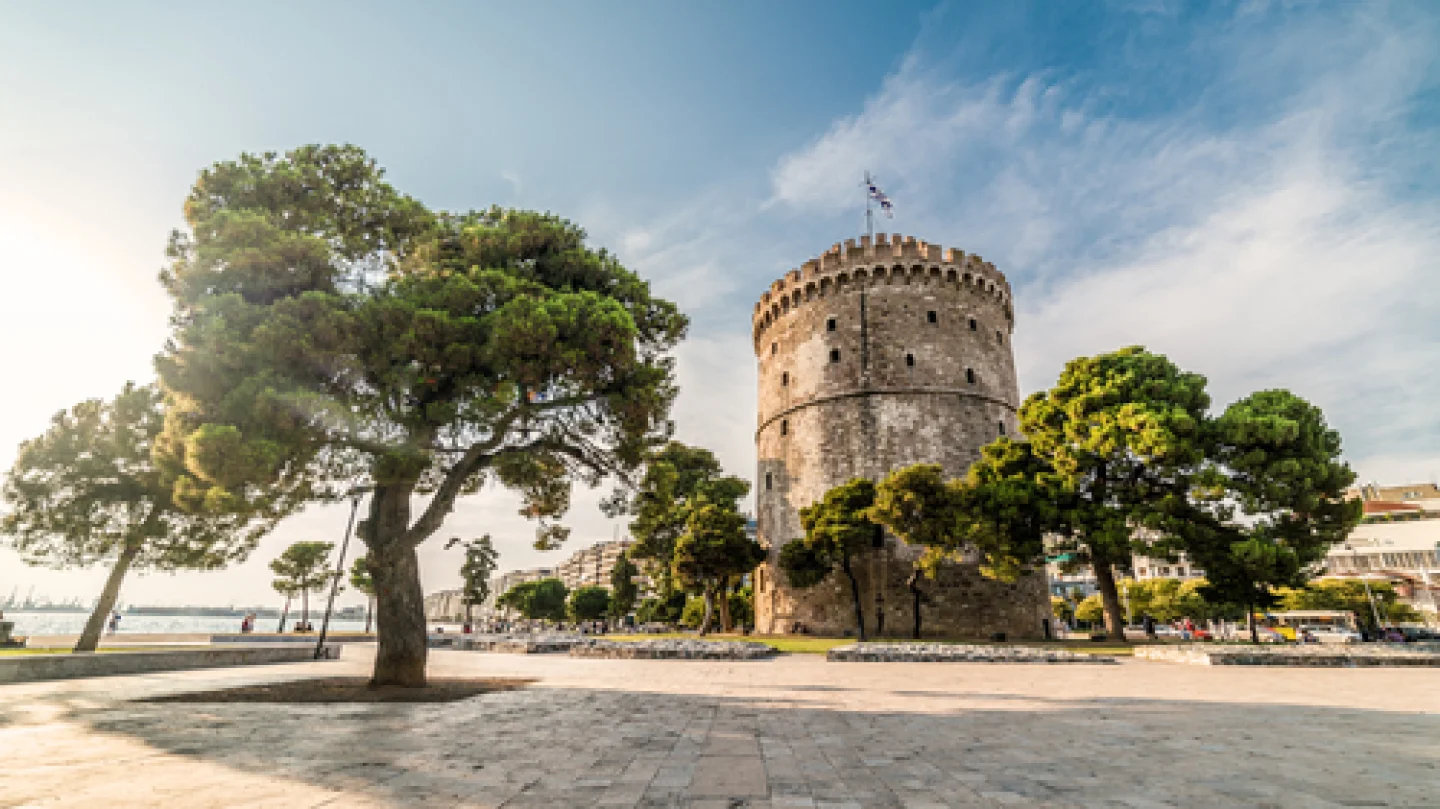
The city is home to 15 UNESCO World Heritage Sites, and its layered history, Hellenistic, Roman, Byzantine, and Ottoman, is visible throughout the city centre, which functions as an open-air museum of art and culture. Thessaloniki is also a member of UNESCO's Creative Cities Network for gastronomy, a recognition that reflects its reputation as one of Europe's finest food destinations. This cultural depth, combined with a lively social atmosphere and growing international profile, makes Thessaloniki increasingly attractive to international buyers looking for something beyond a seasonal holiday home.


From an investment perspective, Thessaloniki is experiencing strong growth. According to Bank of Greece data, apartment prices in Thessaloniki rose by 8.0% in Q4 2025, outpacing Athens at 5.9% in the same period. The city is also emerging as a destination for buyers who want urban quality without Athens pricing, as noted in Elxis market observations for 2026.


Recent and ongoing infrastructure projects include the expansion of the metro network, with a Kalamaria extension targeting completion in 2026 and future plans to connect to Macedonia Airport, alongside waterfront and urban regeneration initiatives that are reshaping several neighbourhoods.

How do Thessaloniki property prices compare to Athens?

Thessaloniki offers comparatively lower pricing than Athens while delivering similar urban infrastructure and lifestyle appeal. For buyers who want quality without the cost level of Attica, it presents a genuine alternative.


The city's price per square metre varies considerably by neighbourhood, with areas like Panorama and Kalamaria commanding higher prices due to sea views and proximity to amenities. Central neighbourhoods offer strong value for investors targeting student and professional rentals, while emerging areas present growth potential as urban development continues.

What are the best neighbourhoods to buy property in Thessaloniki?

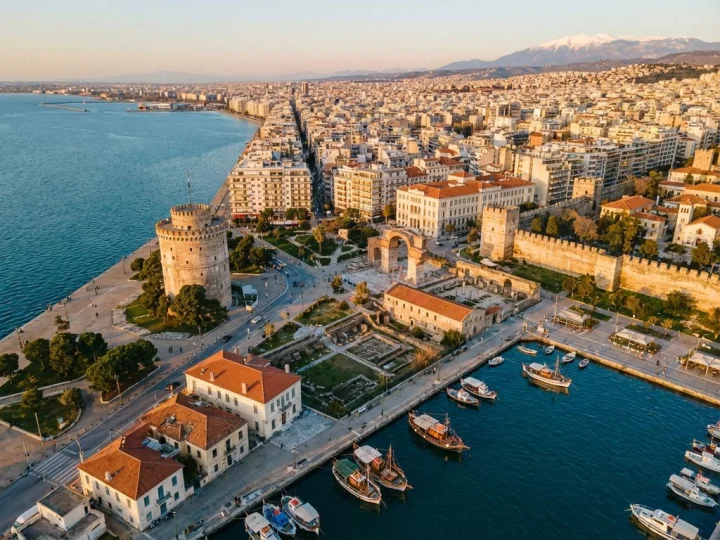
Kalamaria is the premium coastal suburb, with sea views, good transport links, and high-quality residential developments. It attracts both local professionals and international buyers seeking upmarket accommodation with easy access to the city centre.


The historic centre offers strong opportunities for student rentals and short-term accommodation. Properties near Aristotle University benefit from consistent demand throughout the academic year.


Panorama offers suburban living with panoramic views of the city and the Thermaic Gulf, popular among families and professionals seeking a quieter residential setting.


Ladadika and the waterfront area have undergone significant regeneration, transforming former industrial and port areas into vibrant mixed-use neighbourhoods with strong rental appeal.

What legal requirements must foreign buyers meet?

Foreign property buyers in Thessaloniki follow the same legal process as anywhere in Greece. EU citizens face no ownership restrictions. Non-EU buyers can purchase freely in most cases, with limitations applying only in designated border or military zones, which do not typically affect residential purchases in Thessaloniki.


Essential steps include obtaining a Greek tax number (AFM), conducting thorough title searches, verifying building permits, and ensuring all property taxes are current. All transactions require a notarial deed in Greek, making qualified legal representation essential.


The transfer tax is 3.09% of the purchase price or the government-determined objective value, whichever is higher. As a general rule, buyers should budget approximately 10% of the purchase price to cover all one-off transaction costs.


Certain exemptions on transfer tax may apply in specific circumstances. Your lawyer can advise whether you qualify based on your personal situation.


Golden Visa: Thessaloniki falls within the high-demand zones, meaning the minimum qualifying investment under the Golden Visa programme is €800,000. The lower €250,000 threshold applies only to special categories such as listed buildings or commercial-to-residential conversions, regardless of location. Note that Golden Visa properties are not permitted to be used for short-term rentals.

How strong is the rental market in Thessaloniki?

Thessaloniki's rental market is driven by several overlapping demand sources. Aristotle University's approximately 90,000 students create consistent year-round demand for accommodation near the campus and city centre. The growing professional sector and expanding business community add to long-term rental demand.


The city is also developing as a short-term rental destination. Its cultural attractions, food scene, and growing international profile are drawing increasing numbers of city-break visitors, supporting both short-term and holiday rental income potential.


New regulations from 2026 require all residential rental payments to be made via bank transfer. A new intermediate tax bracket has also been introduced for rental income: up to €12,000 is taxed at 15%, €12,001 to €24,000 at 25%, €24,001 to €36,000 at 35%, and above €36,000 at 45%. Proper tax registration and compliance are required for all rental activity.

What are the potential risks of buying property in Thessaloniki?

Legal complexities present the most significant challenge for foreign buyers, particularly regarding property titles, building permits, and ongoing tax obligations. As with all Greek property transactions, thorough due diligence is essential, unclear boundaries, outstanding debts, or unresolved planning violations can complicate transactions if not identified early.


Ongoing tax obligations, including annual ENFIA property tax and rental income tax, require proper management. Working with an accountant familiar with Greek tax requirements is advisable for international property owners.


Disclaimer: This content is for informational purposes only and does not constitute legal or tax advice. For matters specific to your situation, we recommend consulting a lawyer, accountant, or notary as appropriate.

You might also like