
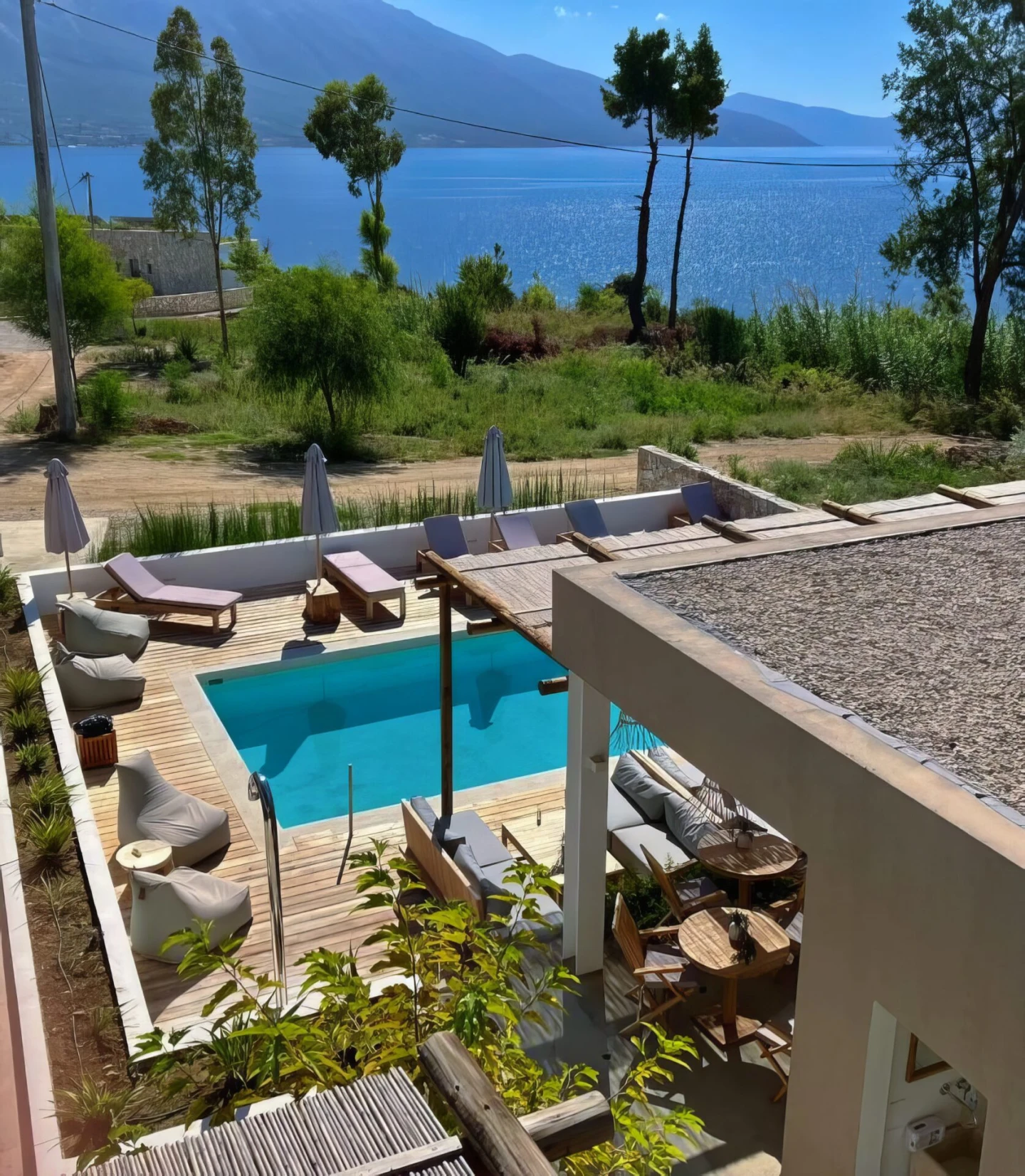
Your beautiful Greek holiday home has been sitting on the market for months, and you're starting to wonder what's going wrong. You're not alone in this frustration. Many foreign property owners find themselves in the same predicament, watching their properties fail to attract serious buyers despite what seems like reasonable pricing and decent presentation.
The Greek property market presents unique challenges for international sellers, particularly those who don't live in Greece year-round. What works in your home country's property market might not translate effectively to the Greek market, and small oversights can create significant barriers for potential buyers. Understanding why your property isn't selling is the first step towards completing a purchase successfully. Let's examine the most common obstacles that keep Greek holiday homes from finding their new owners.
1. Your property is overpriced for the current market
Many foreign owners set their asking price based on personal attachment rather than current market conditions. The €500,000 paid for a Cretan villa fifteen years ago does not automatically reflect today's value, and when you account for shifts in the local economy, tourism patterns, and buyer preferences, the gap can be significant. The Greek property market has moved considerably over the past decade. Areas once in high demand now face competition from newly developed regions, while locations that received little attention from international buyers have gained real traction. Your pricing needs to reflect where the market stands today, not where it stood when you bought.
A professional valuation takes into account what you may not have visibility on: comparable recent sales in your area, seasonal demand patterns, your property's current condition relative to others, and the specific preferences of today's international buyers. Without that context, you risk setting a price that serious buyers simply pass over.

2. Legal documentation issues are scaring buyers away
Unclear legal documentation is one of the most common reasons a sale stalls or even falls through entirely. Greek property law has its complexities, and international buyers approach paperwork with particular caution. If title deeds are not in order, if building permits are outstanding, or if there is any ambiguity around property boundaries, serious buyers will move on to a cleaner opportunity. The issues that come up most frequently involve incomplete permits for renovations, unclear ownership records, debts attached to the property, or complications arising from inheritance. From a buyer's perspective, these are not minor details. They represent legal and financial exposure that most are not willing to take on.
International buyers expect full transparency before committing to a purchase. Any gaps in documentation will either end the conversation early or hand the buyer a strong argument for a substantially lower offer. Getting your paperwork properly prepared and verified before you go to market is not a formality; it is what keeps a sale on track.
3. Your marketing reaches the wrong audience
If you're marketing your Greek holiday home primarily to local buyers, you're missing a large part of the market, which consists largely of international holiday home buyers. Your marketing strategy needs to reach German, Dutch, British, and other European buyers who are actively seeking Greek properties Reaching those buyers requires more than listing a property locally. It means multilingual marketing, familiarity with how international buyers research and evaluate properties, and access to the channels they actually use in their home countries. A marketing approach built around the domestic market will simply not find them.
If your property is not visible to the buyers most likely to purchase it, price and presentation become secondary concerns. International reach is not an added advantage, but for most Greek holiday homes, it is a requirement for a sale.
4. What condition problems are costing you sales?
Deferred maintenance and outdated features can significantly impact your property's appeal to modern buyers. First impressions matter enormously in property sales, and buyers often make emotional decisions within minutes of viewing a property. Common condition issues that deter buyers include outdated electrical systems, plumbing problems, worn-out fixtures, peeling paint, or structural concerns. Even minor maintenance issues can signal to buyers that the property might have hidden problems, making them hesitant to proceed or encouraging them to make significantly lower offers. International buyers often prefer properties that are move-in ready, especially since they're purchasing from abroad and won't be present to oversee renovation work. Properties requiring significant updates or repairs face much longer selling times and typically achieve lower sale prices than well-maintained alternatives.
5. You're using the wrong agent or selling approach
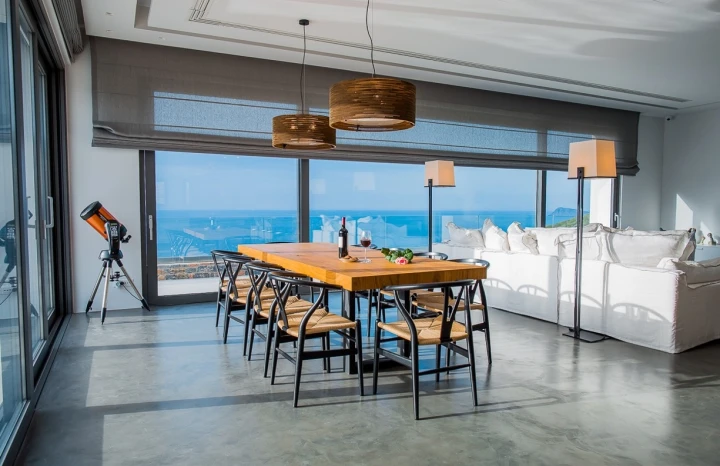
Choosing the right representation is crucial for selling a property successfully. Many foreign owners select an agent based on commission rate or a local recommendation, without asking whether that agent has the specific experience needed to reach international buyers, and that gap often shows in the outcome. Effective marketing for a Greek holiday home requires more than a listing on a local portal. It means multilingual capability, familiarity with how European buyers search and make decisions, and access to channels that reach them in their home countries. It also means understanding the legal and procedural expectations of cross-border buyers: documentation in the right language, clarity on the transaction process, and no gaps in due diligence.
Elxis has been working with international buyers and sellers since 1991. The team includes native speakers in Dutch, German, English, French, and Greek, and an in-house legal team that handles due diligence and the full legal side of every transaction. For owners selling a property in Greece, that combination of international reach, legal integration, and genuine market knowledge makes a practical difference from the first enquiry through to completion.
6. Seasonal timing is working against your sale
The Greek property market follows seasonal patterns that many foreign sellers don't fully understand. International buyers typically begin their search during late winter and early spring, aiming to complete purchases before the summer season. Listing your property at the wrong time can significantly extend your selling timeline. Peak viewing periods often coincide with holidays and vacation periods when potential buyers visit Greece. However, many serious buyers, those ready to make quick decisions, often prefer to view properties during quieter periods when they can give full attention to the purchase process without holiday distractions. Understanding these seasonal dynamics helps you time your listing for maximum exposure to motivated buyers. Properties listed during optimal periods typically receive more viewings, generate more competitive offers, and sell more quickly than those listed during slower market periods.
7. Hidden costs and taxes are deterring buyers
International buyers want complete transparency about all costs associated with their purchase. If they can't easily understand the total financial commitment required, including transfer taxes, legal fees, ongoing property costs, and potential tax implications in their home country, they'll often abandon the purchase rather than navigate uncertain financial territory. Greek property transactions involve various fees and taxes that might be unfamiliar to international buyers. Without clear information about these costs upfront, buyers worry about unexpected financial surprises during the purchase process. This uncertainty often prevents them from making offers or causes them to reduce their offers to account for perceived risks. Successful sales require complete cost transparency from the beginning. Buyers need to understand exactly what they'll pay beyond the purchase price, what ongoing costs they'll face as property owners, and how the purchase might affect their tax situation. Providing this clarity upfront builds confidence and encourages serious offers.
8. Your property lacks the amenities buyers expect
Modern holiday home buyers have evolved expectations compared to purchasers from previous decades. Today's international buyers expect reliable internet connectivity, efficient air conditioning, updated kitchen facilities, and well-designed outdoor living spaces. Properties lacking these essential modern amenities struggle to compete in the current market. The rise of remote working has made reliable internet connectivity absolutely essential for many holiday home buyers. Properties without proper Wi-Fi infrastructure or those in areas with poor connectivity face significant disadvantages. Similarly, climate control systems that seemed adequate years ago might now appear insufficient to buyers accustomed to modern comfort standards.
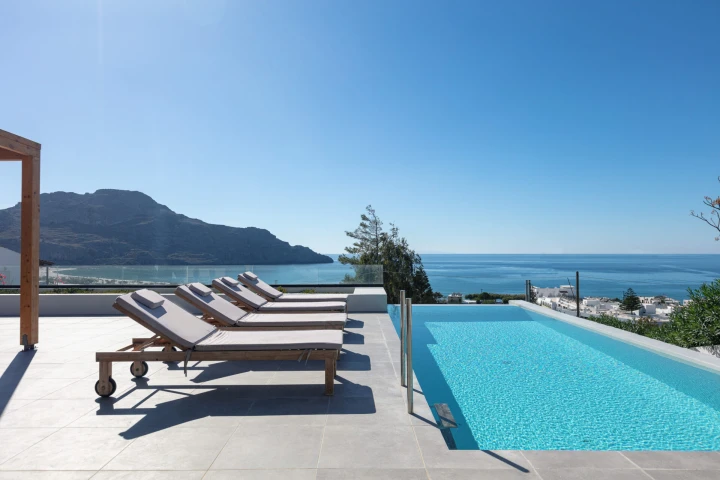
Outdoor living spaces have become increasingly important, with buyers seeking properties that offer seamless indoor-outdoor living experiences. Well-designed terraces, gardens, pools, or outdoor dining areas can significantly enhance a property's appeal, whilst neglected outdoor spaces can detract from otherwise attractive homes.
Turn your stalled sale into a successful transaction
Addressing these common obstacles requires a comprehensive approach that combines realistic pricing, proper legal preparation, effective marketing, and professional representation. The most successful sellers recognize that selling a Greek holiday home to international buyers requires specific expertise and cultural understanding that goes beyond traditional local property sales. Consider conducting a thorough assessment of your property's condition, pricing, and market positioning. Ensure all legal documentation is complete and transparent and evaluate whether your current marketing approach effectively reaches international buyers.
A comprehensive guide to selling your home can provide valuable insights into the specific requirements for successful international property sales. The difference between a property that sits on the market for months and one that sells quickly often comes down to professional preparation and expert guidance. If you're ready to transform your stalled sale into a successful transaction, consider reaching out for professional assistance. Our experienced team understands both the Greek property market and international buyer expectations, and we're here to help you navigate the complexities of selling your Greek holiday home. Don't let another season pass with your property unsold, contact our specialists today to discuss how we can help you achieve your selling goals.
Disclaimer: This content is for informational purposes only and does NOT constitute legal or tax advice. For any issues relating to specific cases, it is highly recommended to consult a lawyer, an accountant or a notary depending on your needs.