Peloponnese Trails: Greece’s largest hiking network starting in April 2026

In The News

19.03.2026

Peloponnese, Greece

Spanning over 1700 km across the southern peninsula and connecting 12 major hiking routes, the Peloponnese Trails network is set to become the Largest Certified Hiking Trail Network in Greece, weaving together landscapes, heritage, and storytelling in a way that is both immersive and sustainable.

About The Project

Set to launch in April 2026, the initiative is the result of a Memorandum of Understanding (MOU) between the Region of Peloponnese, the Greek National Tourism Organisation (GNTO), and the Adventure Travel Trade Association (ATTA).


Far more than a collection of hiking paths, the Peloponnese Trails represent a holistic approach to travel, blending physical exploration with historical remembrance and local engagement. The project reflects a growing global demand for meaningful, low-impact tourism experiences that go beyond traditional sightseeing. As Monica Gachera, the Regional Manager of ATTA, puts it: “A country or region that doesn't change itself but narrates its history in a new way, looking towards the future, is exactly what travellers are seeking today”.


Ancient Paths, Reborn


One of the most compelling aspects of the network is its revival of historic mule tracks that once served as vital arteries between villages and regions. These ancient routes have been carefully restored and integrated with newly developed trails, creating a seamless journey through time.

Hikers can begin their adventure near the Isthmus of Corinth and traverse a diverse range of terrains, from sun-drenched olive groves and forested mountain slopes to rugged coastlines and dramatic cliffs. Along the way, the trails guide visitors through remote villages, offering glimpses into traditional Greek life that remain largely untouched by mass tourism.


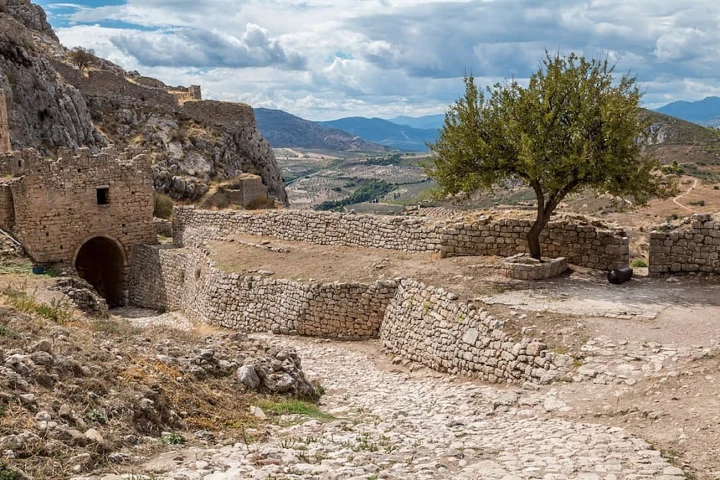
The Peloponnese has long been a land steeped in myth and history, and the trails bring these stories back to life. Highlights include routes leading to remarkable cultural landmarks such as the Temple of Apollo Epicurius at Bassae and the medieval settlement of Mystras. These sites add depth to the hiking experience, transforming each step into a journey through centuries of history.


Sustainability and Community at the Core


At its heart, the Peloponnese Trails initiative is as much about people as it is about places. The project is considered Greece’s largest social economy effort in hiking tourism, involving local cooperatives, regional organizations, and European funding.


By restoring abandoned paths and investing in infrastructure such as signage and digital mapping, the initiative ensures accessibility while maintaining environmental integrity. More importantly, it creates economic opportunities for rural communities that have often been overlooked by mainstream tourism.


Local businesses, from guesthouses to producers of regional specialties like olive oil, expect to benefit significantly. This model promotes year-round tourism, helping to stabilize local economies and reduce seasonal dependency.


More than just a trail


The timing of the Peloponnese Trails launch aligns with a broader shift in travel preferences, as modern travelers are increasingly seeking authentic, experienced-driven journeys that emphasize nature, culture, and sustainability.


The region is also gaining additional attention through its presence in upcoming film and media projects, further elevating its profile on the global stage. Combined with recognition from major travel publications, the Peloponnese is quickly emerging as a key player in redefining Greek tourism, attracting visitors seeking deeper, more authentic connections with the country.

You might also like