
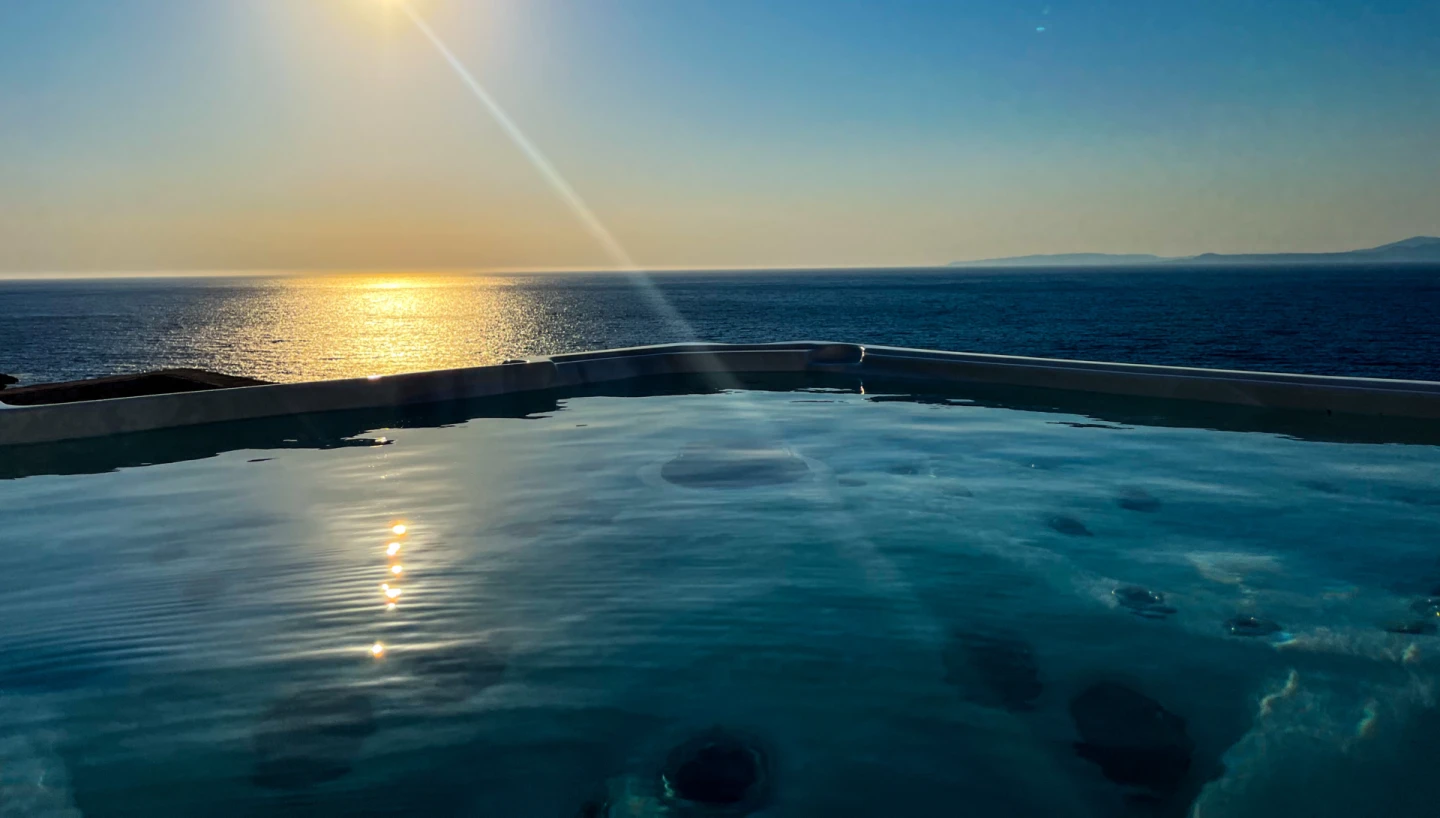
Discover Zakynthos's famous Shipwreck Beach, Blue Caves, turtle conservation efforts, and property investment opportunities in this stunning Ionian gem.
Zakynthos, also known as Zante, is one of the Ionian Islands' most visited destinations, known for Shipwreck Beach, the Blue Caves, and its role as a protected nesting site for loggerhead sea turtles. The island combines dramatic coastal scenery with a distinct Venetian architectural heritage, the result of several centuries under Venetian rule.
What makes Zakynthos different from other Greek islands?
Zakynthos stands apart through its unique combination of dramatic limestone cliffs, pristine white-sand beaches, and well-preserved Venetian architecture. Unlike the volcanic landscapes of Santorini or the whitewashed Cycladic style of Mykonos, this Ionian Sea gem features lush green hills, hidden sea caves, and some of the Mediterranean's clearest turquoise waters.
The island's Venetian influence, dating from centuries of rule by the Republic of Venice, creates a distinctive architectural character. Traditional stone buildings with arched windows and ornate balconies line the harbour town, while the countryside reveals olive groves and vineyards that have flourished in the island's fertile soil. The western coastline offers some of Europe's most spectacular cliff formations, creating natural viewing platforms hundreds of metres above the sea.
Zakynthos also benefits from good connectivity, with direct flights from major European cities and regular ferry connections to the Greek mainland. This accessibility, combined with a well-developed tourism infrastructure, makes it more convenient for visitors than many remote Greek islands while maintaining its natural beauty and authentic character.
Why is Shipwreck Beach the most famous attraction in Zakynthos?
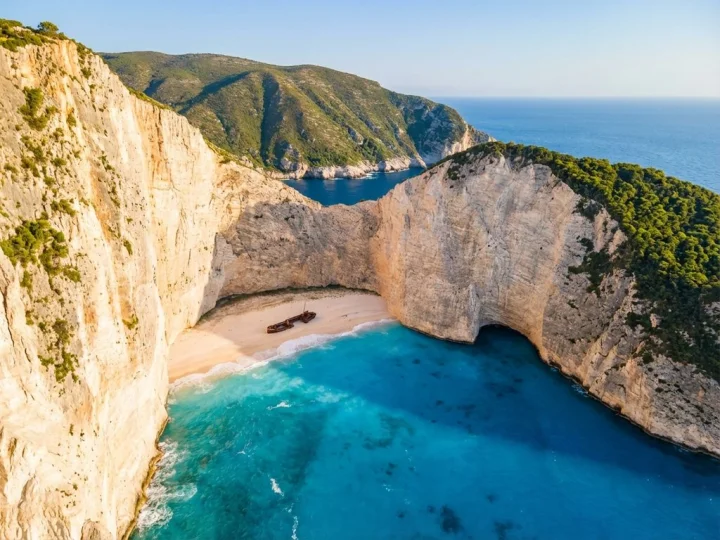
Navagio Beach gained international fame through the dramatic 1980 shipwreck of the MV Panagiotis, a cargo vessel that ran aground on the beach in 1980 under disputed circumstances. The rusted hull remains perfectly preserved against a backdrop of towering limestone cliffs, creating one of the world's most photographed beach scenes. The beach's remote location, accessible only by boat, adds to its mystique and exclusivity. Visitors must take organized boat trips from Porto Vromi or Zakynthos Town, with journey times ranging from 30 minutes to over an hour depending on departure point. The dramatic approach by sea, passing beneath cliffs that rise to 200 metres, builds anticipation before revealing the iconic wreck nestled in the pristine cove.
Social media has amplified Shipwreck Beach's fame exponentially. The contrast between the rusted vessel, brilliant white pebbles, and impossibly blue waters creates an instantly recognizable image that appears across travel magazines, Instagram feeds, and tourism campaigns worldwide. The nearby viewing platform at the cliff top offers equally stunning panoramic views, allowing visitors to capture the complete scene from above.
What are the Blue Caves and how do you visit them?
The Blue Caves are spectacular natural sea grottos carved into Zakynthos's northern coastline, famous for their ethereal blue illumination created when sunlight reflects off the white limestone seabed through crystal-clear water. This natural lighting effect transforms the cave interiors into glowing blue chambers that appear almost supernatural. These geological formations developed over millennia through wave erosion of the soft limestone cliffs. The caves vary in size from small alcoves to vast chambers large enough for boats to enter. The most impressive caves feature natural arches and windows that frame views of the open sea while maintaining the magical blue glow that gives them their name.
Visiting requires joining organized boat tours as the caves are only accessible by sea. Tours typically last 2–3 hours and include swimming opportunities in the illuminated waters. The optimal viewing time is late morning to early afternoon, when the sun's angle creates the most intense blue effects. Smaller boats can navigate deeper into the cave systems, offering more intimate experiences than larger tour vessels.
How important is Zakynthos for sea turtle conservation?
Zakynthos is the most important loggerhead turtle nesting site in the Mediterranean. Laganas Bay hosts the highest nesting density anywhere in the region across six beaches totaling 5.5 kilometres of coastline. Nest numbers have risen significantly in recent years, with ARCHELON recording around 2,155 nests in the 2025 season, reflecting decades of systematic protection since monitoring began in 1984.
The National Marine Park of Zakynthos, established in 1999, protects the surrounding marine and coastal habitat. During nesting season, which runs from late spring through October, designated beach areas are closed to human activity from sunset to sunrise. Beach bars, water sports, and coastal development face restrictions within the park boundaries to minimize disturbance to nesting females and emerging hatchlings.
Conservation work is carried out by ARCHELON and international research partners, covering nest monitoring, hatchling rescue, and long-term population tracking. The practical challenge the island faces is one of balance: Laganas Bay draws significant tourist numbers for its beaches, and managing that alongside the protection requirements of an endangered species requires ongoing enforcement and cooperation between the park authority, local businesses, and visitors. Guided turtle-watching tours and educational programs are part of how the island attempts to make conservation a visible and funded part of the visitor experience.
What should you know about buying property in Zakynthos?
Zakynthos offers excellent opportunities for international property buyers seeking Greek holiday homes, with coastal areas like Tsilivi, Argassi, and Vassilikos proving particularly popular among Northern European investors. The island combines stunning natural beauty with strong rental potential, making it attractive for both personal use and investment purposes. Property types range from traditional stone houses in mountain villages to modern villas with sea views and apartments in resort developments. Coastal properties command premium prices, particularly those with direct beach access or panoramic Ionian Sea views.
Foreign buyers should be aware that Greek property transactions are subject to specific tax, legal, and administrative requirements. For certain tax purposes, Greece applies an objective value system, under which government-assessed property values may be used when calculating taxes and fees. The application of these values depends on the relevant legislation and the circumstances of the transaction, and buyers should seek professional advice regarding their specific obligations.
Property purchasers are generally required to obtain a Greek tax registration number (AFM) and comply with applicable legal and registration procedures. Many foreign buyers also choose to engage qualified legal professionals to conduct due diligence, review documentation, and assist with the transaction process. Ownership registration requirements may vary depending on the property location and the status of the applicable land registration or cadastral system.
In addition to personal use, some property owners choose to generate income through short-term holiday rentals where permitted by law. Such activities may be subject to registration, tax, licensing, safety, reporting, or other regulatory requirements, which can change over time. Property owners should verify the rules that apply to their property and intended use before commencing rental operations.
When is the best time to visit Zakynthos and what can you expect?
A popular time to visit Zakynthos is between May and October, when the island typically experiences warm temperatures, longer daylight hours, and relatively dry weather. July and August are generally the busiest months for tourism and can bring higher temperatures, increased visitor numbers, and greater demand for accommodation and services.
May and June are often favoured by visitors seeking mild to warm weather for sightseeing, hiking, and outdoor activities. During this period, many hotels, restaurants, and tourism businesses are operating, while visitor numbers are generally lower than during the peak summer season. These months also coincide with the loggerhead sea turtle nesting season, subject to environmental protection measures and local regulations. September and October typically offer warm weather and sea temperatures that remain comfortable following the summer months. Many visitors choose this period for a quieter experience while still enjoying access to a wide range of tourism facilities and services. Weather conditions can vary, and occasional rainfall becomes more likely later in the season.
From November through March, tourism activity is generally lower, and some seasonal businesses may operate reduced hours or close temporarily. However, the island remains inhabited year-round and offers a different perspective on local life, culture, and natural landscapes. Weather conditions during this period are typically milder than in many northern European destinations, although rainfall is generally more frequent.
Whether you are interested in Zakynthos for lifestyle, investment, or holiday purposes, understanding the island's seasonal patterns, property market, and local regulations can help support informed decision-making. To learn more about available properties, investment considerations, or the legal and administrative requirements associated with property ownership in Greece, please contact our team for further information.
Disclaimer: This content is provided for general informational purposes only and does not constitute legal, tax, financial, investment, or professional advice. Climate conditions, tourism patterns, property regulations, and market conditions may change over time. For advice relating to a specific transaction or circumstance, consult a qualified lawyer, accountant, notary, or other appropriate professional advisor.