
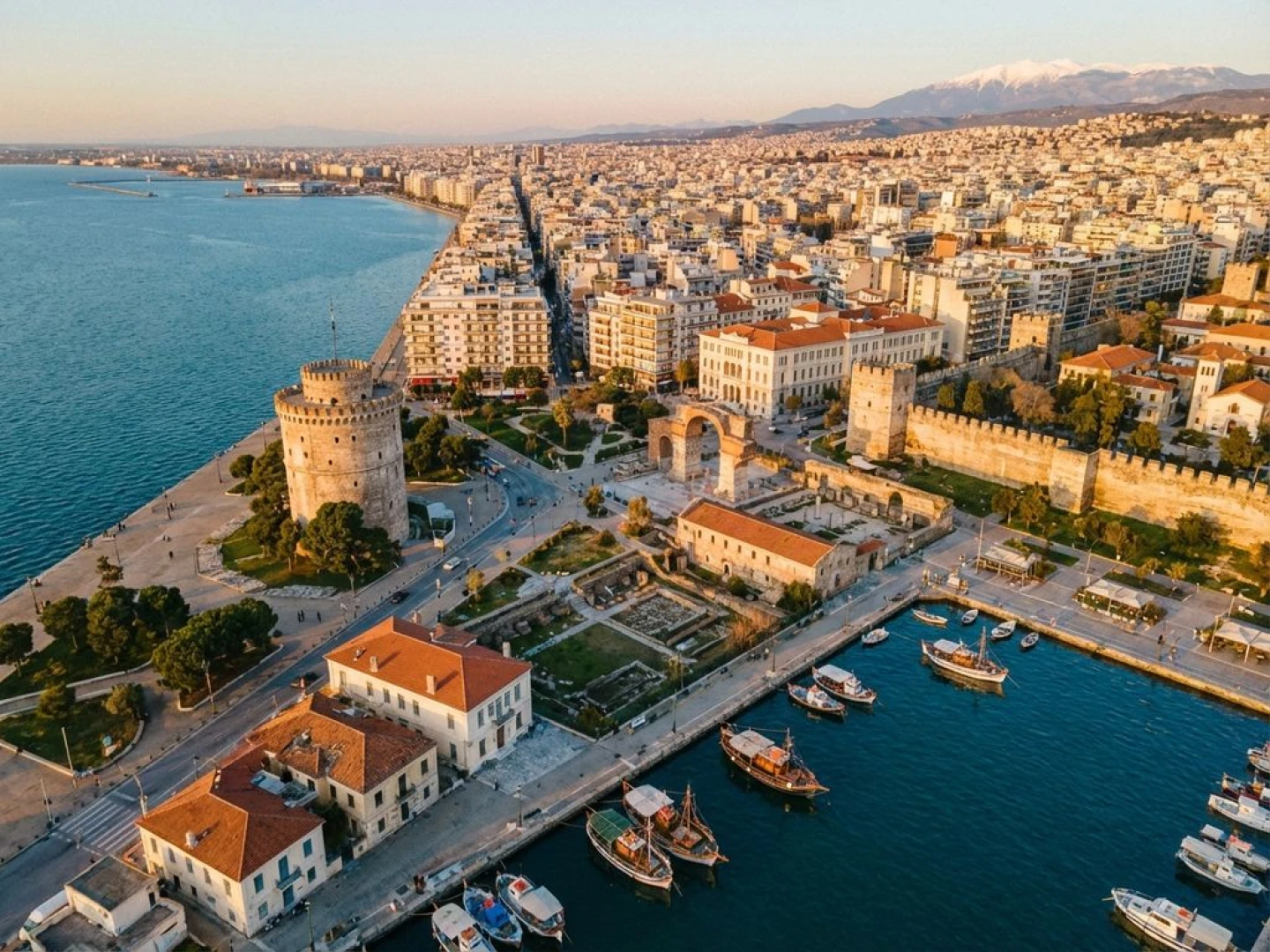
Discover why Thessaloniki is Greece's cultural capital, from UNESCO Byzantine monuments to exceptional Macedonian cuisine and vibrant nightlife.
Thessaloniki, Greece, is renowned as the country's cultural capital, combining rich Byzantine history with vibrant modern life. Known for its UNESCO World Heritage monuments, exceptional culinary scene, and strategic position as the capital of Macedonia, Thessaloniki attracts visitors with its unique blend of ancient attractions and contemporary Greek culture. The city serves as both a cultural hub and a gateway to northern Greece's most celebrated destinations.
What makes Thessaloniki Greece's second most important city?
Thessaloniki holds its position as Greece's second most important city due to its role as the capital of Macedonia and its significant economic, cultural, and educational influence throughout northern Greece. The city serves as the administrative center for the entire northern region, housing major government institutions, universities, and business headquarters that extend its influence far beyond its municipal boundaries.
The city's historical significance dates back over 2,300 years, when it was founded by Cassander of Macedon and named after Alexander the Great's half-sister. Throughout centuries of Roman, Byzantine, and Ottoman rule, Thessaloniki maintained its strategic importance as a major port and commercial centre. This continuous prominence established deep cultural roots that persist today.
Modern Thessaloniki functions as northern Greece's economic powerhouse, generating substantial GDP through its port operations, manufacturing sector, and service industries. The presence of Aristotle University, one of Greece's largest universities, creates a dynamic student population that fuels innovation and cultural activities. The city's role as a transportation hub connecting Greece to the Balkans further reinforces its strategic importance in both national and international contexts.
What are the most famous historical attractions in Thessaloniki?
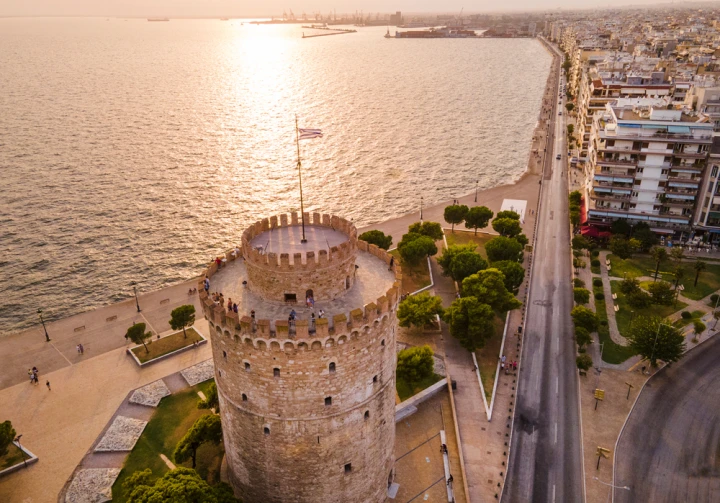
Thessaloniki's most famous attractions center around its UNESCO World Heritage Byzantine monuments, including the iconic White Tower, the ancient Rotunda, and the Arch of Galerius. These landmarks represent different periods of the city's diverse cultural heritage, from Roman imperial grandeur to Byzantine religious artistry and Ottoman architectural influence.
The White Tower stands as Thessaloniki's most recognizable symbol, originally built by the Ottomans in the 15th century as part of the city's fortifications. Today it houses a museum showcasing the city's history and offers panoramic views across the Thermaic Gulf. The nearby Rotunda, originally constructed as Roman Emperor Galerius's mausoleum in the 4th century, later served as a Christian church and Ottoman mosque, embodying the city's multicultural evolution.
The Arch of Galerius, known locally as Kamara, commemorates the Roman emperor's victories and features intricate marble reliefs depicting military campaigns. Thessaloniki's ancient city walls, though only partially preserved, still demonstrate the impressive fortifications that protected the city for centuries. The Upper Town (Ano Poli) maintains its traditional character with narrow cobblestone streets, Ottoman-era houses, and Byzantine churches that escaped the devastating 1917 fire that destroyed much of the lower city.
Why Thessaloniki Is One of Greece's Most Celebrated Food Cities
Thessaloniki has a serious food reputation, and it's earned. The city's cooking is shaped by its history as a crossroads of cultures, and that layering shows in the variety and depth of what ends up on the table. Local specialties worth knowing: bougatsa (a custard-filled pastry that locals take seriously enough to debate by shop), souvlaki seasoned in distinctly northern Greek style, and fresh seafood from the Thermaic Gulf. The Asia Minor refugees who settled here in the 1920s brought recipes and techniques that are still visible in today's mezze culture and the flavor profile of Macedonian cuisine more broadly. Modern restaurants increasingly work with traditional recipes and contemporary presentation, and Thessaloniki draws food-focused visitors from across Europe for exactly that reason. It is not Greece's only great food city, but for anyone interested in northern Greek cuisine in particular, it is hard to match.
What is Thessaloniki's nightlife and cultural scene like?
Thessaloniki's nightlife and cultural scene thrive, offering a more authentic and less touristy experience than Athens. The city's large student population, combined with its artistic traditions, creates a dynamic evening atmosphere that extends well into the early morning hours throughout most of the year. The Ladadika district transforms into the city's primary nightlife zone, with restored warehouses housing bars, clubs, and live music venues. Traditional bouzoukia clubs coexist with modern cocktail bars and alternative music spaces, catering to diverse tastes and age groups. The city's music scene particularly excels in rebetiko (Greek blues), jazz, and contemporary Greek music, with many venues featuring live performances several nights per week. Cultural festivals throughout the year include the renowned Thessaloniki International Film Festival, the Dimitria Festival celebrating arts and culture, and numerous music festivals that attract international artists. Art galleries, theatres, and cultural centers are concentrated in the city center, making cultural activities easily accessible. The relaxed Mediterranean lifestyle encourages late dining and socializing, with many establishments remaining busy until 3 or 4 a.m., especially on weekends.
How does Thessaloniki's location make it strategically important?
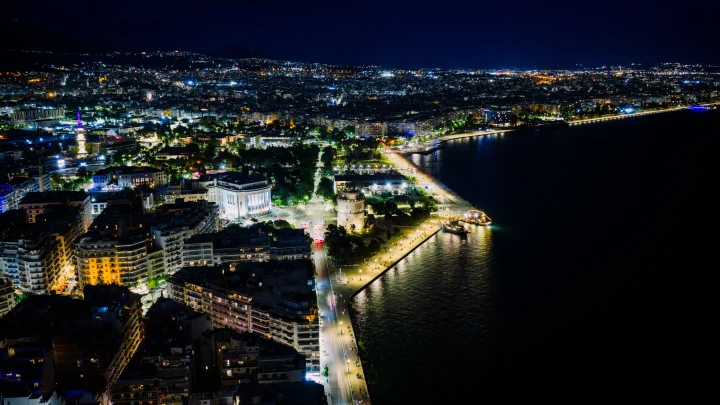
Thessaloniki's strategic location as a major port city and gateway to the Balkans provides exceptional geographic advantages for trade, tourism, and international connectivity. The city sits at the head of the Thermaic Gulf, offering natural harbour facilities that have supported commerce for over two millennia.
The port of Thessaloniki serves as southeastern Europe's primary gateway for goods travelling between the European Union and the Balkans, handling significant container traffic and bulk commodities. This position makes the city crucial for Greek international trade and provides substantial economic benefits through logistics and shipping services.
Tourism benefits enormously from Thessaloniki's proximity to popular destinations including the Halkidiki peninsula with its pristine beaches, Mount Olympus National Park, and numerous archaeological sites throughout northern Greece. The city functions as a natural base for exploring the regions of Macedonia and Thrace, while its international airport connects directly to major European cities. Upcoming improvements to the Egnatia Motorway will further enhance connectivity to Albania, North Macedonia, and Bulgaria, reinforcing Thessaloniki's role as a regional hub.
What should visitors know about living or investing in Thessaloniki?
Living or investing in Thessaloniki offers excellent value compared while providing a high quality of life, rich cultural experiences, and growing investment opportunities in Greek real estate. The city attracts both Greek and international residents seeking a more relaxed lifestyle without sacrificing urban amenities and cultural sophistication.
Property prices in Thessaloniki remain lower than in Athens or on the islands, making real estate investment accessible for international buyers. Popular residential areas include the Upper Town for traditional character, the city center for convenience and nightlife access, and the eastern suburbs for modern amenities and sea views. The presence of major universities creates consistent rental demand, particularly for smaller properties suitable for students and young professionals.
The cost of living is notably lower than in Athens, with restaurant meals, entertainment, and daily expenses typically 20–30% less expensive. Public transportation connects all major areas efficiently, while the compact city center makes walking or cycling practical for daily activities. International residents appreciate the welcoming local community, the city's manageable size that avoids Athens' urban stress, and the easy access to both mountain and seaside recreation. For those considering Greek real estate investment, Thessaloniki's combination of affordability, rental potential, and lifestyle benefits creates compelling opportunities in the growing northern Greece market. Our team can provide property purchase assistance to help navigate the local market effectively.
Whether you're exploring Thessaloniki as a visitor or considering property investment in this remarkable city, understanding its unique character and opportunities can help you make informed decisions. We invite you to explore our properties list for available opportunities in Thessaloniki and throughout northern Greece. For personalized guidance on Greek real estate opportunities in Thessaloniki or throughout northern Greece, we invite you to contact our experienced team.
Disclaimer: This content is for informational purposes only and does not constitute legal or tax advice. For any issues relating to specific cases, it is highly recommended to consult a lawyer, an accountant, or a notary, depending on your needs.