

The Peloponnese enjoys a Mediterranean climate during summer months, characterized by warm, dry conditions with average temperatures ranging from 25-30°C along the coast and slightly higher inland. The region experiences minimal rainfall from June through August, abundant sunshine, and refreshing sea breezes that make it exceptionally comfortable for both residents and visitors.
Understanding Peloponnese's summer climate for property buyers
The Peloponnese peninsula benefits from a classic Mediterranean climate that creates ideal conditions for property ownership and investment. Summer months bring consistently warm temperatures, low humidity, and minimal precipitation, establishing a stable weather pattern that appeals to international buyers seeking reliable conditions for their Greek property ventures.
Understanding these climate characteristics proves crucial for property investment decisions, as the predictable summer weather directly impacts rental potential, maintenance requirements, and overall enjoyment of vacation homes. The region's weather stability makes it particularly attractive for those planning extended stays or considering permanent relocation. Property buyers benefit from knowing that the Peloponnese's summer climate supports outdoor activities, reduces heating and cooling costs, and creates optimal conditions for property maintenance and improvements during the warmer months.
What are the typical temperatures in Peloponnese during summer?
Summer in the Peloponnese is characterized by warm, sunny weather and a relaxed Mediterranean lifestyle. Coastal areas typically enjoy daytime temperatures of 28–34°C, complemented by refreshing sea breezes that help maintain comfortable conditions throughout the season. Inland regions experience warmer temperatures, often reaching 32–37°C during the height of summer, making them ideal for those who enjoy a hotter climate. As the sun sets, evenings remain pleasantly mild, creating the perfect atmosphere for outdoor dining, seaside strolls, and long gatherings with family and friends. With abundant sunshine, beautiful coastlines, and a season that often extends well into autumn, the Peloponnese offers an exceptional setting for enjoying Mediterranean living at its finest.
How much rainfall does Peloponnese receive in summer months?
The Peloponnese experiences a typically Mediterranean summer climate, characterized by long periods of sunshine and very low rainfall. From June through August, precipitation is generally minimal, particularly along the coast, with most of the region's annual rainfall occurring during the autumn and winter months. While occasional thunderstorms can develop during summer, especially in mountainous and inland areas, they are usually brief and localized. These short-lived weather events often provide temporary relief from the heat and seldom have a significant impact on day-to-day activities.
The combination of abundant sunshine, dry conditions, and consistently warm temperatures makes summer an ideal time for outdoor living, property maintenance, landscaping projects, and home improvements. For property owners, the season offers highly favorable conditions for enjoying outdoor spaces and planning exterior works with minimal weather disruption.
What is the difference between coastal and inland summer weather in Peloponnese?
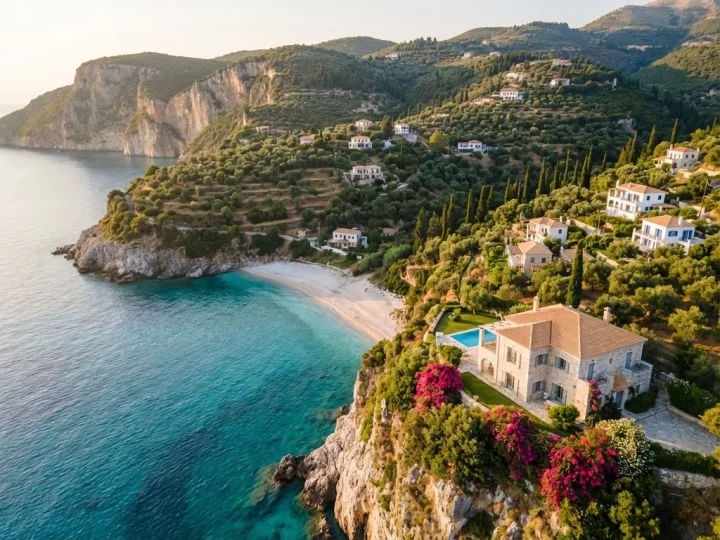
Coastal areas of the Peloponnese enjoy moderating sea breezes that keep temperatures cooler than inland regions during summer days. Humidity levels remain comfortable along the coast due to these maritime influences, whilst inland areas can experience drier, hotter conditions. The sea breeze effect becomes particularly noticeable during afternoon hours, when coastal properties benefit from refreshing winds that make outdoor terraces and gardens more comfortable for extended use. This natural air conditioning effect adds significant value to coastal property investments. Inland mountainous regions, whilst warmer during the day, often experience more dramatic temperature drops in the evening, creating pleasant conditions for outdoor dining and entertainment after sunset.
How does summer weather in Peloponnese compare to other Greek regions?
The Peloponnese enjoys a warm Mediterranean climate comparable to many of Greece's most popular destinations, including Crete and the Aegean islands. Coastal areas benefit from refreshing sea breezes that help moderate summer temperatures, while inland regions experience warmer conditions typical of southern Greece.
Compared to northern Greece, the Peloponnese generally enjoys a longer summer season, higher average temperatures, and more consistent sunshine throughout the year. The region's diverse geography also offers a variety of microclimates, ranging from breezy coastal locations to cooler mountainous areas and warmer inland valleys. This combination of abundant sunshine, varied landscapes, and favorable coastal conditions makes the Peloponnese particularly appealing to property buyers seeking a balance between authentic Greek living, outdoor recreation, and year-round lifestyle appeal.
Why is Peloponnese's summer climate ideal for property ownership?
The region's stable, warm, and dry summer weather creates perfect conditions for vacation homes and rental properties. Property owners can confidently market their investments knowing that guests will experience consistently pleasant weather during peak tourist seasons.
The minimal rainfall and abundant sunshine reduce maintenance concerns typically associated with humid or unpredictable climates. Exterior paintwork, wooden features, and garden installations last longer in these dry, stable conditions, reducing long-term property maintenance costs.
For year-round living, the comfortable summer climate supports outdoor lifestyle activities, reduces energy costs for cooling, and creates ideal conditions for growing Mediterranean gardens and maintaining outdoor entertainment areas.
Key weather considerations when buying property in Peloponnese
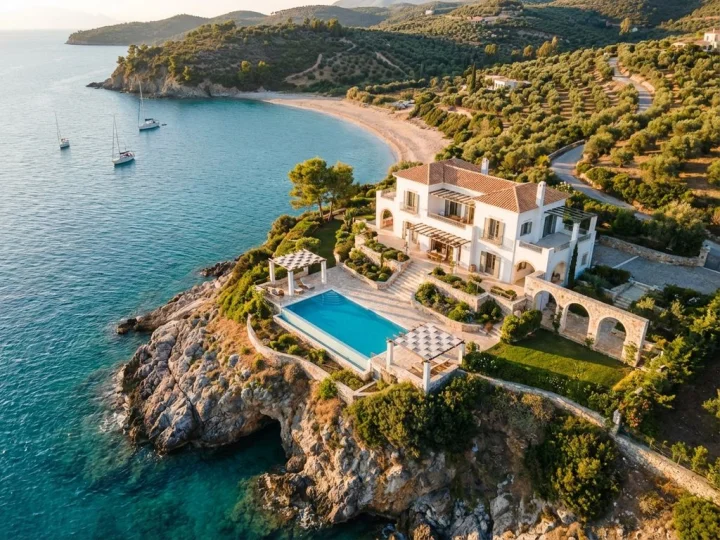
Property buyers should evaluate seasonal weather patterns when selecting locations, considering factors such as prevailing wind directions, sun exposure, and proximity to cooling sea breezes. These elements significantly impact daily comfort and long-term property enjoyment. Understanding microclimates within different areas helps buyers choose properties that align with their preferences for temperature, humidity, and wind exposure. Coastal properties offer cooling breezes but may require more maintenance due to salt air exposure.
The predictable summer weather patterns support strong rental potential, as visitors can confidently book holidays knowing they'll experience reliable Mediterranean conditions. This weather stability contributes to sustainable investment returns and property appreciation over time.
What should I consider when choosing between coastal and inland properties in terms of summer comfort?
Coastal properties offer natural cooling from sea breezes, making them ideal if you prefer milder conditions and plan extensive outdoor use. However, consider that coastal locations may require more maintenance due to salt air exposure. Inland properties experience warmer days but cooler evenings, perfect if you enjoy traditional Mediterranean heat and want dramatic temperature variations for comfortable nights.
How does the dry summer climate affect property maintenance schedules and costs?
The minimal summer rainfall creates an ideal maintenance window from June to August. You can schedule exterior painting, roof repairs, and garden installations without weather delays. The dry conditions also extend the lifespan of outdoor materials and reduce moisture-related issues, potentially lowering long-term maintenance costs, compared to more humid climates.
What are the best months to visit potential properties to experience the summer climate firsthand?
July and August offer the most authentic summer experience with peak temperatures and minimal rainfall, allowing you to test air conditioning needs and outdoor comfort levels. However, visiting in June or September provides a good balance of warm weather with fewer crowds, giving you a clearer picture of the property's potential without peak-season distractions.
How reliable is the summer weather for rental property income planning?
The Peloponnese enjoys a highly reliable Mediterranean summer climate, with long periods of sunshine, low rainfall, and stable warm conditions throughout the peak season. This consistency supports strong short-term rental demand, particularly in coastal and tourist-friendly areas, where summer remains the most active and profitable period of the year. While performance varies depending on location, property quality, and management, well-positioned homes typically benefit from sustained interest between June and August. The combination of dependable weather, a long tourist season, and strong international appeal makes the Peloponnese a solid choice for holiday rental investment.
What cooling solutions work best for properties in the Peloponnese summer climate?
Natural ventilation and ceiling fans often suffice in coastal areas due to sea breezes, reducing energy costs. For inland properties or peak comfort, efficient air conditioning units rated for Mediterranean climates work best. Consider properties with good cross-ventilation, high ceilings, and outdoor shaded areas, as these architectural features can reduce cooling costs.
Are there any weather-related risks I should factor into my property investment decision?
The main considerations are occasional summer thunderstorms in mountainous areas and salt air exposure for coastal properties. However, these are manageable with proper materials selection and maintenance planning. The stable climate actually reduces weather-related risks compared to many other Mediterranean locations, with minimal storm damage or extreme weather events historically recorded.
How does the summer climate affect outdoor living spaces and garden planning?
The dry, sunny conditions are perfect for Mediterranean gardens with drought-resistant plants like olive trees, lavender, and bougainvillea. Plan for irrigation systems and shade structures for outdoor dining areas. The stable weather allows for year-round use of terraces and pools, significantly enhancing property value and rental appeal during the 4-5 month peak season.
For those considering property investment in this remarkable region, professional guidance ensures you select locations that maximize the benefits of the excellent summer climate. Feel free to contact us for expert advice on finding the perfect property that takes full advantage of the Peloponnese's exceptional weather conditions.
Disclaimer: This content is for informational purposes only and does NOT constitute legal or tax advice. For any issues relating to specific cases, it is highly recommended to consult a lawyer, an accountant or a notary depending on your needs.