
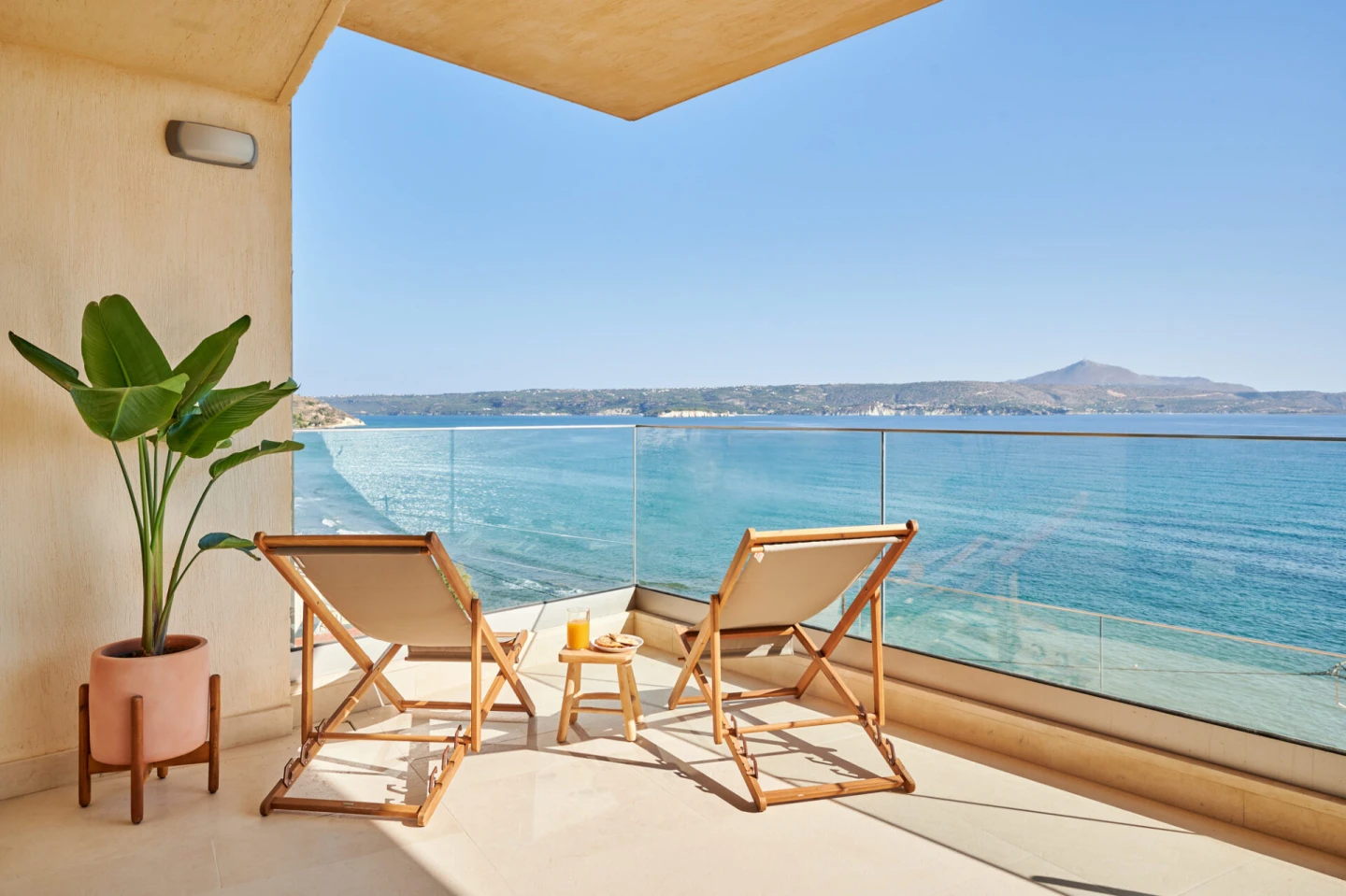
Crete enjoys one of the most pleasant climates in Europe, with long, hot, dry summers and mild, wetter winters. Thanks to its southern Mediterranean location, the island offers plenty of sunshine throughout the year, making it a popular destination not just in summer, but across all seasons. Understanding the seasonal patterns can help you decide the best time to visit, or even live there.
Crete's Climate: What Property Owners and Buyers Need to Know
Crete enjoys a warm Mediterranean climate year-round, with hot, dry summers and mild, wet winters. The island sees over 300 days of sunshine annually, with summer temperatures reaching 25–30°C and winter temperatures rarely dropping below 10°C. This consistent weather pattern makes Crete an attractive destination for visitors and property owners throughout most of the year.
What makes Crete's climate different from other Greek islands?
Crete's climate stands out due to its size and geographical position in the southern Aegean Sea. As Greece's largest island, Crete creates its own microclimate patterns, with significant variations between coastal areas and mountainous regions. The island's substantial landmass moderates temperature swings more effectively than smaller Greek islands.
Its position approximately 160 kilometres south of mainland Greece places it closer to North Africa, resulting in warmer temperatures and less rainfall compared to northern Greek islands. Crete's mountainous spine, with peaks exceeding 2,400 metres, creates distinct weather zones across the island. Coastal areas remain consistently warmer, whilst mountain regions can experience snow during winter months.
This geographical diversity means Crete's weather varies considerably from north to south and coast to interior. The southern coast typically enjoys temperatures 2–3°C warmer than the northern coast, making it particularly appealing for those seeking year-round warmth.
How hot does Crete get in summer, and how cold in winter?
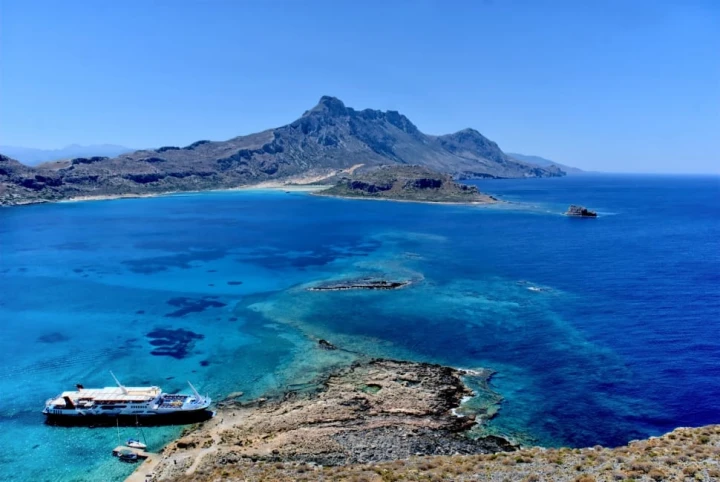
Summer temperatures typically range from 25–30°C during the day, with coastal areas occasionally reaching 35°C during heat waves. Night-time temperatures remain comfortable at 18–22°C, providing pleasant evenings for outdoor activities. The warmest months are July and August, though June and September offer similarly warm conditions with fewer crowds.
Winter brings mild conditions, with daytime temperatures averaging 12–16°C along the coast. Night-time temperatures rarely drop below 8°C in coastal areas, though mountain regions can experience frost and occasional snow. January and February are the coolest months, but the Mediterranean climate means harsh winter weather remains uncommon.
Spring and autumn offer particularly pleasant conditions, with temperatures ranging from 18–25°C. These transitional seasons provide ideal weather for exploring the island, with warm days and cool evenings suited to a wide range of outdoor activities.
What is the best time to visit Crete based on weather?
The optimal time depends on your preferences, but May through October offers the most reliable weather for most activities. Summer months (June–August) provide consistent sunshine and warm sea temperatures ideal for swimming, though this period also brings the highest visitor numbers and accommodation prices.
Spring (April–May) and autumn (September–October) offer warm temperatures, fewer crowds, and lower costs. These seasons are particularly suited to hiking, sightseeing, and exploring the island's cultural attractions. Sea temperatures remain pleasant for swimming well into October.
For property viewing, visiting at different points in the year provides valuable insight into year-round conditions. Many international buyers find spring and autumn well suited for this, as they can experience the island's appeal beyond peak summer whilst still enjoying excellent weather. Winter visits, whilst cooler, offer an authentic glimpse of local life and can be surprisingly pleasant, with many clear, sunny days for exploring without summer heat.
How does Crete's climate affect property ownership decisions?
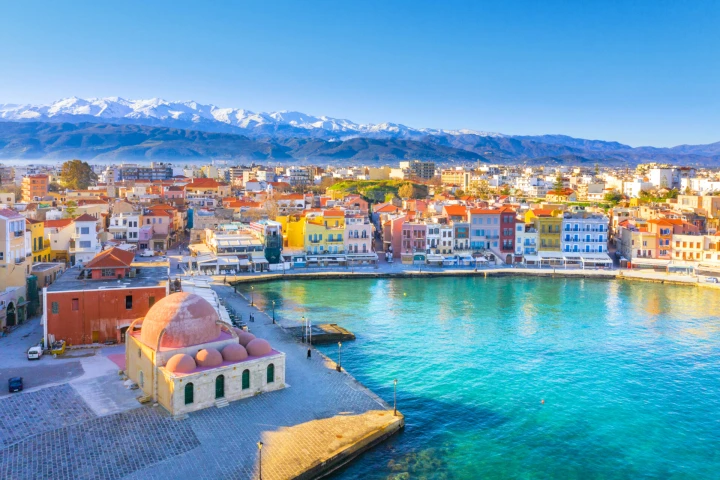
Crete's extended warm season has practical implications for both property maintenance and rental potential. The tourist season typically runs from April to October, supporting rental activity for up to six months annually, considerably longer than many northern European holiday destinations. The dry summer climate reduces maintenance concerns related to dampness and damp-related damage, though the intense sun requires consideration for exterior paintwork and furnishings. Properties with good orientation and shading features tend to attract stronger interest and command higher rental rates.
Utility costs remain manageable due to the mild winters. Heating requirements are minimal compared to northern European properties, though air conditioning is standard during peak summer months. Many property owners find solar panels particularly effective given the island's abundant sunshine.
The reliable weather patterns make Crete a consistent choice for both holiday home ownership and permanent relocation. With over 35 years of experience guiding international buyers through the Greek property market, the team at Elxis is well placed to help you find the right property in the right location. For personalised guidance on properties that suit your circumstances, our experienced team is always happy to help.